Last updated October 15, 2026

Free written scope consultation - allowances, timeline, and change-order rules on paper before a single trade is scheduled
Construction Permits, Codes & Inspections in CA: What You Need to Know
Pasadena sits inside one of the strictest building-permit environments in California, and most homeowners don’t discover that until a crew is already standing in a torn-open wall. A remodel that would sail through with a simple over-the-counter permit in a neighboring city can require plan check, historic review, and a half-dozen inspections here, simply because Pasadena writes its own amendments to the state code and enforces them carefully. This guide walks through what actually triggers a permit in Pasadena, how the California codes layer on top of city rules, what the inspection sequence looks like for a real kitchen remodel, and how to handle unpermitted work from a previous owner. For more guides & resources, visit our blog.
Styles & brands we work with




Quick Answer
In Pasadena, most structural, electrical, plumbing, and mechanical changes require a city building permit, and the list of what’s exempt is shorter than homeowners expect: paint, flooring, and like-for-like fixture swaps are generally fine, but swapping a water heater, replacing windows in a historic district, or removing any wall that carries load will trigger permit requirements, plan review, and inspections. California’s Title 24 energy code applies to nearly every permitted remodel, and Pasadena enforces its own local amendments on top of the statewide California Building Code. The inspection sequence for a full kitchen remodel typically runs six to eight inspections from rough framing through final, and skipping any one of them means the work cannot be signed off and the project stalls.
Table of Contents
- What Actually Triggers a Permit in Pasadena
- Work That Does Not Require a Permit
- California Title 24 and How It Shapes a Pasadena Remodel
- The Pasadena Inspection Sequence for a Full Kitchen Remodel
- Unpermitted Work From a Previous Owner: What California Law Says
- What a Homeowner Can Self-Inspect Versus What Requires a Licensed Third Party
- Seismic Retrofit Permits in Older Pasadena Homes
- Common Mistakes to Avoid
- When to Call a Professional
- Frequently Asked Questions
- The Bottom Line
What Actually Triggers a Permit in Pasadena
Pasadena adopts the California Building Code, the California Residential Code, the California Electrical Code, the California Plumbing Code, and the California Mechanical Code with local amendments, and the city’s building department publishes its own permit threshold list. The rule of thumb is straightforward: if the work touches structure, changes the building envelope, alters electrical circuits, moves plumbing, or swaps mechanical equipment, a permit is almost certainly required. That includes work many homeowners assume is cosmetic. Removing a wall between a kitchen and dining room requires a structural evaluation and a permit, even if the wall turns out to be non-load-bearing, because the city wants the calculation on record. Replacing a window in a Pasadena Historic Overlay Zone, known locally as an HPOZ, requires design review and a permit, and the replacement window must match the original material and profile. Swapping out a water heater requires a plumbing permit and a final inspection, because a water heater replacement changes the flue configuration and the seismic strapping.
Pasadena also requires a permit for any electrical work beyond a like-for-like device swap. Adding a recessed light in a kitchen remodel triggers an electrical permit, a rough inspection when the wiring is open, and a final inspection after the ceiling is closed. Installing a new outlet, upgrading a panel, or running a dedicated circuit for an induction cooktop all require permits. In our experience as a General Contractor in Pasadena, the most common mid-project surprise is a homeowner who assumes that small electrical additions can be bundled into a larger permit, only to learn that the city wants a separate electrical permit with its own inspections.
The threshold list also includes anything that changes rooflines, foundations, or exterior walls. Adding a dormer, cutting a new window opening, or building an ADU all go through plan check. Re-siding a house with a different material requires a permit, particularly when the new siding changes the wall assembly’s fire rating or insulation profile. A good rule: if the work requires a licensed contractor in California, it probably requires a Pasadena permit, and if you are not sure, the building department’s permit counter will give you a direct answer before any demo starts. See our General Contractor Maintenance Checklist for Pasadena Homeowners for routine upkeep that helps avoid bigger permit triggers.
What surprises many Pasadena homeowners is how much of this is city-specific. The state code sets the framework. Pasadena decides the thresholds, the plan check fees, the inspection frequency, and the historic review triggers. A recessed light that needs a permit in Pasadena might not need one in an unincorporated county area. That is why the local rules matter more than the generic California guidance most people find online.
Work That Does Not Require a Permit
Pasadena’s exemption list is shorter than most homeowners hope, but it does exist. Paint, wallpaper, and flooring do not require permits. Replacing a kitchen faucet with a like-for-like fixture, swapping a light fixture in place of an existing one, or replacing a toilet with another toilet of the same rough-in size are exempt. Replacing cabinet doors and drawer fronts without changing the cabinet boxes does not require a permit, nor does installing new countertops on existing cabinets. Reglazing a bathtub, tiling a backsplash, and replacing interior trim are all permit-exempt in Pasadena.
The catch is that “like-for-like” is a narrow carve-out. Replacing a gas range with another gas range is exempt, but replacing that gas range with an induction cooktop is not, because the electrical load changes and the circuit may need to be upgraded. Replacing a tank water heater with a tankless unit requires a permit, because the venting, gas line sizing, and condensate drainage all change. Replacing a shower valve with a different style of valve requires a plumbing permit if the valve body changes, even though the visible trim swap is exempt.
Pasadena homeowners in historic districts face an additional layer. An HPOZ designation can require design review for exterior work even when the work is technically permit-exempt, like repainting a house in a different color or changing a front door. The city’s historic preservation guidelines are separate from the building code, and they apply to visible exterior changes regardless of whether a building permit is required. In a project we completed in the Bungalow Heaven neighborhood, the owners needed design review for a front porch railing replacement that would have been permit-free in another part of Pasadena. The design review added two weeks, but it protected the character of the street, and the city’s inspectors were consistent about what they wanted to see.
California Title 24 and How It Shapes a Pasadena Remodel
California’s Title 24 energy code applies to every permitted remodel in Pasadena, and it is the reason a simple kitchen update can turn into a conversation about insulation, window glazing, and HVAC sizing. Title 24 requires that any new or replaced building component meet current energy standards, which means when a wall is opened, the insulation inside it must be brought to the R-value the code requires for Pasadena’s climate zone. Pasadena falls in Climate Zone 9, where the state requires R-19 wall insulation and R-30 attic insulation for most residential work, and the city enforces those numbers during the insulation inspection.
Fenestration rules are the other common trigger. If a remodel replaces windows or adds new glazing, Title 24 sets limits on the total window area relative to floor area, usually 20% for most residential projects, and requires specific U-factors and solar heat gain coefficients. A remodel that adds a large sliding door to a kitchen may need a Title 24 energy compliance report done by a certified Title 24 consultant, and that report becomes part of the permit application. The report costs a few hundred dollars and is not optional once the project crosses the threshold.
HVAC sizing is the third piece. If a remodel changes the conditioned floor area or significantly alters the building envelope, the mechanical permit must show that the heating and cooling system is correctly sized using a Manual J calculation or a recognized equivalent. Oversized HVAC equipment is not just inefficient; it can fail its Title 24 compliance check during plan review. We have seen Pasadena homeowners try to reuse an old 5-ton condenser for a remodeled house that only needed 3.5 tons, and the city sent the plans back for a load calculation before the permit would issue.
Title 24 also covers lighting. Every newly installed or altered lighting fixture in a permitted remodel must be high-efficacy, which in practice means LED. Recessed cans in a kitchen remodel must be air-sealed, IC-rated if they touch insulation, and listed for the location. The final inspection includes a lighting verification step, and if the fixtures do not match the approved plans, the inspector will note it and require correction.
For families planning a Pasadena remodel, the practical takeaway is that Title 24 compliance is not an add-on. It shapes which products are chosen, how walls are insulated, how many windows can be added, and how the mechanical system is designed. A good contractor builds the Title 24 compliance into the written price before any work starts, so the family never has to guess at what the energy code will add. That is the standard we hold at Elmstead Remodeling Pasadena home, where every project price is written out before the first permit application is filed.
The Pasadena Inspection Sequence for a Full Kitchen Remodel
A full kitchen remodel in Pasadena runs through a predictable inspection sequence, and knowing the order before demolition starts prevents the most common mid-project stalls. The sequence below is typical for a project that removes a wall, relocates plumbing, adds lighting, and installs new cabinets and appliances. Smaller projects may skip steps; larger ones may add a few.
- Rough framing inspection. After demolition and before insulation, the inspector checks the structural work: header sizes, hold-downs, shear wall nailing patterns, and any new framing. The wall that was removed must show a properly sized beam with the engineer’s stamp on the plans.
- Rough electrical inspection. The inspector checks wiring runs, box fill, circuit protection, and grounding before any drywall goes up. New circuits for the dishwasher, disposal, microwave, and countertop outlets are verified at this stage.
- Rough plumbing inspection. Drain lines, water supply lines, and venting are checked under pressure. The inspector looks for proper slope on drains, correct trap placement, and accessible shutoff valves.
- Rough mechanical inspection. If the project moves or adds HVAC ductwork, or installs a range hood with new exhaust ducting, the mechanical rough covers it. Exhaust duct terminations must meet California code.
- Insulation inspection. The inspector verifies R-values, air sealing, and the placement of insulation before the walls are closed. This is the Title 24 checkpoint for thermal performance.
- Drywall and lath inspection. Pasadena requires an inspection after drywall is hung and before finish work, especially in seismic retrofit areas where shear panel nailing is part of the approved plan.
- Final inspection. The city’s final covers electrical function, plumbing fixtures, cabinet installation, appliance connections, smoke and carbon monoxide detector placement, and the Title 24 lighting verification.
Calendar time between inspections varies by season and by the inspector’s workload, but in Pasadena, homeowners should plan for two to three business days between each scheduled inspection during peak spring and summer months. The city allows next-day inspections for a fee, but the standard schedule is slower. A full kitchen remodel with the inspection sequence above typically takes four to eight weeks from permit issuance to final sign-off, assuming the work itself is done efficiently and no corrections are noted.
One inspection-specific point that saves Pasadena families real money: schedule the rough inspections as a combined block when the city allows it. A rough framing, electrical, plumbing, and mechanical inspection can sometimes be done in one morning if the inspector’s route permits it, and that saves multiple return visits. The permit holder requests the inspections online through the city’s portal, and the inspections must be requested by the cutoff time for next-day service.
Unpermitted Work From a Previous Owner: What California Law Says
California law requires sellers to disclose known unpermitted work on the property’s Transfer Disclosure Statement, and buyers who discover unpermitted work after close have legal options, but the practical path is usually negotiation or retroactive permitting. Under California Civil Code §1102, sellers must disclose material facts that affect the property’s value or desirability, and unpermitted additions, electrical panels, and converted garages are all material. A buyer who discovers an unpermitted addition after close can pursue a claim against the seller for failure to disclose, but the claim requires proof that the seller actually knew about the unpermitted condition.
Retroactive permitting in Pasadena is possible but not automatic. The city allows homeowners to apply for a permit for work that was done without one, but the process requires exposing the work for inspection. An unpermitted bathroom addition means opening walls to show the framing, electrical, and plumbing, then scheduling the same rough and final inspections a permitted project would have had. If the work does not meet current code, the homeowner brings it into compliance before the city will sign off. The cost of retroactive permitting is frequently higher than the original permit would have been, because the work may need to be corrected after the fact.
For a family buying a Pasadena home with unpermitted prior work, the smart move is to price the correction into the purchase offer or negotiate a credit before closing. For a family planning a remodel that will touch unpermitted work, the remodel is the opportunity to legalize it, since the walls will be open anyway and the city’s inspectors will be on site. In our experience, a Kitchen Remodeling in Pasadena project that uncovers an unpermitted electrical circuit can often fold the correction into the existing permit for a modest increase in scope, rather than a separate application.
Unpermitted work also affects home insurance. California insurers can deny claims for damage related to unpermitted work, and some have begun excluding coverage for entire homes with known unpermitted additions until the work is legalized. The sale of the house is the most common trigger for discovery, but the insurance renewal is a close second.
What a Homeowner Can Self-Inspect Versus What Requires a Licensed Third Party
California draws a firm line between what a homeowner can visually inspect and what requires a licensed professional, and the line matters in Pasadena because so much of the city’s housing stock predates modern codes. A homeowner can perform a visual self-inspection: checking for water stains on ceilings, testing GFCI outlets, looking for rust on a water heater’s flue, noting cracks in the foundation, and verifying that smoke detectors are in place. None of that requires a license, and all of it is worth doing before starting a remodel, because it gives the contractor a head start on what the city inspector will flag. Homeowners weighing whether to tackle tasks themselves can read our DIY vs Professional Construction: The Pasadena Homeowner’s Decision Guide.
What a homeowner cannot do is certify structural, electrical, or seismic work for permit sign-off. California requires that any structural evaluation, seismic retrofit design, or foundation assessment be performed by a licensed civil or structural engineer, and that certification must be stamped and submitted to the city. Pasadena specifically requires an engineer’s letter for many seismic retrofit permit applications, particularly for homes with cripple walls, unbolted sill plates, or foundation systems that predate modern anchoring standards. The engineer’s letter becomes part of the permit file, and the city will not issue the final approval without it.
Third-party electrical inspections work differently. The city of Pasadena provides its own electrical inspections, and homeowners cannot substitute a private inspector for the city’s sign-off on permitted work. A private home inspector can do a pre-listing or pre-purchase walkthrough and produce a written report, but that report is informational only. It does not satisfy any permit requirement, and the city does not rely on it. For families who want a detailed condition report before a remodel, a licensed home inspector is a good early step, but the permit process still runs through the city’s inspectors.
The one area where a licensed third party commonly appears in Pasadena is Title 24 energy compliance. The energy report that proves fenestration, insulation, and HVAC compliance must be prepared by a certified Title 24 consultant or a licensed design professional who has filed with the California Energy Commission. The homeowner cannot self-certify Title 24 compliance, and the city will not issue a permit for work that requires the report until the consultant’s documentation is in the file.
Seismic Retrofit Permits in Older Pasadena Homes
Pasadena sits within a seismically active region, and the city has a specific permit path for voluntary seismic retrofits of older homes, most of which were built before modern anchoring standards. The typical retrofit involves bolting the mudsill to the foundation, installing plywood shear panels on cripple walls, and adding hold-downs at the shear panel ends. In Pasadena, that work requires a building permit, a plan set that includes an engineer’s calculations, and an inspection sequence that covers the anchor bolt placement, the shear panel nailing, and the hold-down installation before the work is covered. For related safety signage considerations, see our Construction Warning Signs: A Pasadena Homeowner’s Reference Guide.
The permit is not optional, and the inspections are not skippable. The city’s inspectors check the anchor bolt spacing, the bolt diameter, the washer placement, and the nail pattern on the plywood shear panels. A homeowner who skips the permit may save the filing fee, but the retrofit will not be documented, and an undocumented retrofit can become a disclosure issue at sale, just like any other unpermitted work. Pasadena participates in the California Earthquake Brace + Bolt program, which provides up to $3,000 in grant funding for qualifying retrofits, but the grant requires a city permit and a final inspection sign-off.
For Pasadena homeowners considering a retrofit, the specific products matter. Foundation anchor bolts must be at least 5/8-inch diameter and embedded to the engineer’s specified depth. Shear panels are typically 15/32-inch plywood or OSB, and the nailing schedule is set by the approved plan. Hold-downs from manufacturers like Simpson Strong-Tie are common in Pasadena retrofits, and the brand matters because the approved plan will specify the exact model and its load capacity. A contractor who substitutes a different hold-down without revising the plan will fail the inspection.
The retrofit permit is also the moment to address foundation cracks. If the engineer’s discovery inspection finds existing foundation damage, the retrofit permit may need to expand to include foundation repair before the seismic work proceeds. In older Pasadena neighborhoods like Madison Heights and Normandie Heights, foundation conditions vary block by block, and the retrofit plan is written for the specific house, not pulled from a template.
Common Mistakes to Avoid
- Starting demo before the permit is issued. Pasadena will not retroactively bless work that began without a permit, and demo work done before plan approval can trigger a stop-work order and double the timeline. Wait for the permit card.
- Assuming a wall is non-load-bearing without a structural check. Removing a wall that carries roof or floor load without permits and an engineer’s letter is the single most expensive mistake in Pasadena remodels, and the correction involves temporary shoring, a new beam, and a reopened permit file.
- Swapping fixtures beyond like-for-like without a permit. The induction cooktop, the tankless water heater, the relocated shower drain: all of these are common upgrade choices that trigger permits and inspections, and the city will flag them at final if they were not part of the approved plan.
- Ignoring HPOZ design review for exterior work. In Pasadena’s historic districts, a new front door, a different window style, or a porch change can require design review even when the building code says no permit is needed. The design review runs on a separate timeline from the building permit.
- Skipping the Title 24 energy report until plan check flags it. The report takes one to two weeks to prepare, and plan check will not proceed without it once the project crosses the energy threshold. Order it early.
- Letting unpermitted work ride through the sale. The disclosure obligation does not disappear, and buyers’ inspectors look for permit history mismatches. Legalize the work during the remodel, when the walls are open and the inspectors are already scheduled.
- Bookending inspections poorly. Requesting a rough inspection before the rough work is genuinely complete wastes the inspector’s time and adds a re-inspection fee. In Pasadena, each re-inspection carries a cost, and the schedule backs up quickly in spring.
When to Call a Professional
Any project that touches structure, electrical panels, gas lines, or the building envelope belongs with a licensed and insured contractor who understands Pasadena’s permit process and can carry the file from application to final sign-off. The specific line where a professional becomes necessary is not the size of the project; it is the risk involved. A gas line move during a kitchen remodel requires a licensed plumber and a permit. A shear wall change during a seismic retrofit requires an engineer’s stamp. A panel upgrade requires a licensed electrician. Work that gets done wrong behind a closed wall is the most expensive work to fix later.
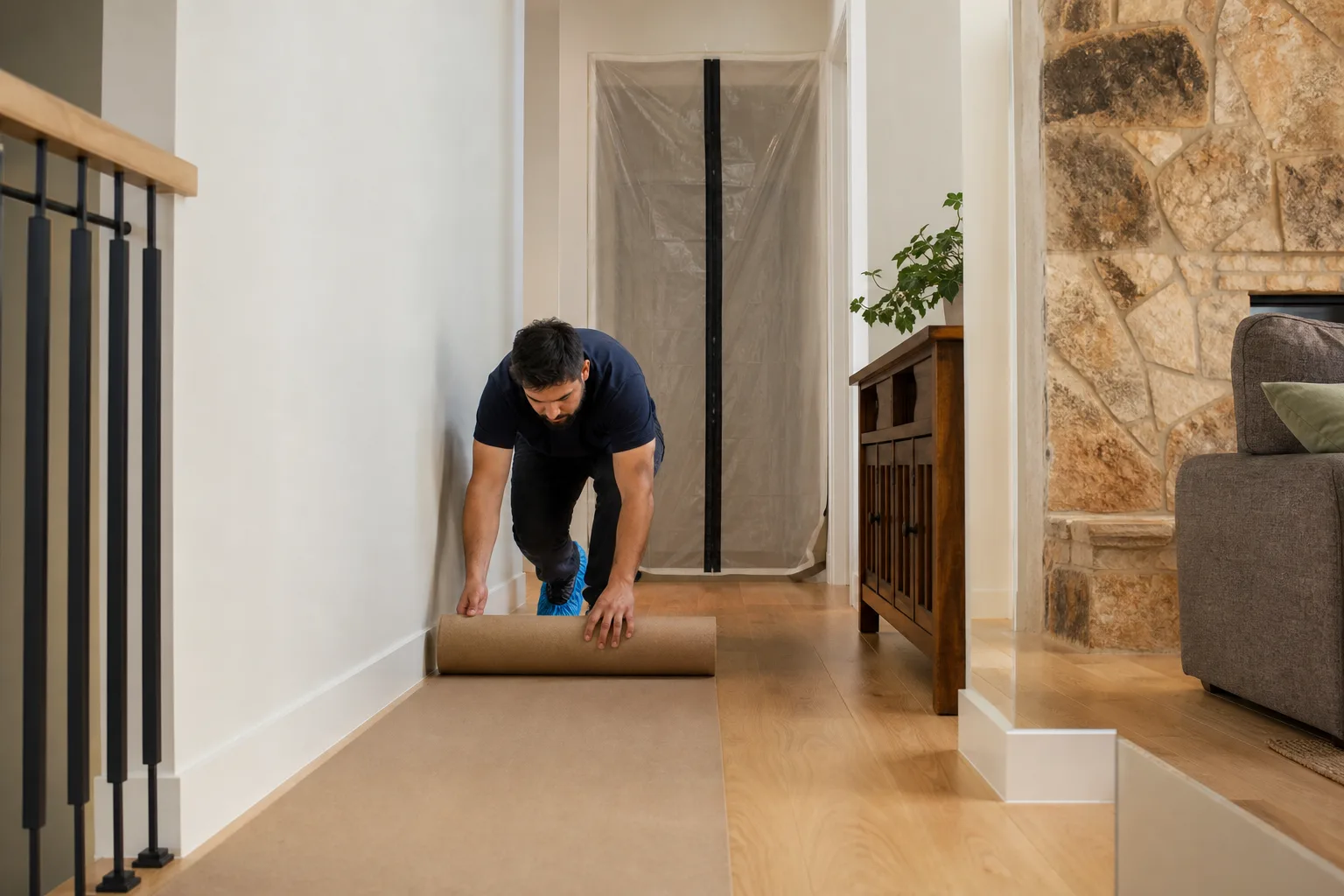
For families in Pasadena who want the permit work handled correctly from the first plan check, the right contractor gives a written price before any work starts, uses named-brand materials the family can research, and treats the house as a home throughout the project: shoe covers at the door, drop cloths on the floors, quiet tools during children’s sleep hours, and a photo of the clean-up before the crew leaves. That is the standard behind every Elmstead Remodeling Pasadena project. Call (626) 714-2992 for a free estimate on your Pasadena remodel, from permit-ready plans to final inspection.
Frequently Asked Questions
Pasadena building permit fees are calculated based on the valuation of the work, and a typical kitchen or bathroom remodel permit runs from a few hundred dollars for a small fixture swap up to several thousand for a structural project with plan check and multiple inspections. The permit fee is separate from any Title 24 energy report, engineer’s stamps, or design review fees in historic districts. Call (626) 714-2992 for a written price that includes all permit costs before work begins.
The city can issue a stop-work order, require the work to be opened for inspection, and charge penalty fees that often exceed the original permit cost. Unpermitted work also becomes a disclosure obligation at sale. The correction path involves a retroactive permit and bringing the work into current code compliance.
Yes, California allows a homeowner to pull an owner-builder permit for work on their primary residence, but the homeowner assumes all liability, schedules all inspections, and is held to the same code standards as a licensed contractor. Owner-builder work also carries specific disclosure obligations at resale, and the city may require a signed declaration that the work was performed by the owner. For structural or complex remodels, most Pasadena families hire a contractor who carries the permit and the responsibility.
Standard residential plan check in Pasadena typically runs two to six weeks, depending on the complexity of the project and the current workload at the building department. Expedited over-the-counter review is available for simple projects, but structural changes, HPOZ review, or Title 24 compliance reports add time. A complete submittal with all required documents avoids the most common resubmittal delays.
Yes, window replacement in a Pasadena Historic Overlay Zone requires both a building permit and design review, and the replacement windows must match the original material, profile, and muntin pattern. Vinyl windows are typically not approved in HPOZ districts. The design review runs through the city’s planning department and is separate from the building permit.
We handle permits, plan check, Title 24 compliance, HPOZ design review, and the full inspection schedule on every permitted project, and the written price you receive before work starts includes the permit scope. Our crews work with named-brand materials from KraftMaid, Kohler, Moen, James Hardie, and other manufacturers whose warranties travel with the finished project. Call (626) 714-2992 for a free estimate and a clear permit plan for your Pasadena remodel.
The Bottom Line
Pasadena’s permit and inspection system is stricter than the statewide average, and the rules are enforced at the city level: what triggers a permit, what HPOZ design review requires, what Title 24 adds to the scope, and how many inspections a kitchen remodel needs before final sign-off. Skipping the process to save time or money rarely works, because unpermitted work surfaces at inspection, at sale, or at the insurance renewal. The smart path is a written price that includes every permit, a permit-ready plan set, and a contractor who schedules inspections in the right order and shows up prepared. Pasadena families who get that piece right find the rest of the remodel runs on schedule.
Written by Graham Stein, Owner at Elmstead Remodeling Pasadena, serving Pasadena since 2005.
See the difference
 Before
 After
After Before
 After
After Before
 After
After