




Free written scope consultation - allowances, timeline, and change-order rules on paper before a single trade is scheduled
Blanco Fence Installation: The Pasadena Owner’s Guide
Blanco fence installation in Pasadena typically costs $3,500 to $9,000 fully installed, and most jobs are completed in one to three working days once materials arrive. We stock the common Blanco fence replacement parts on our trucks and can source the rest from our local supplier network quickly. The way most Pasadena owners discover they need this work is gradual: a gate that starts dragging, a fence line that lists slightly after rain, or a post that wobbles when a kid grabs it running through the yard.
What should be a straightforward repair becomes frustrating when you can’t find the right Blanco part locally, or when you’re told the entire section needs to be torn out and replaced. That’s where we come in. We’ve worked through enough Blanco fence jobs across Altadena, Bungalow Heaven, and San Marino-adjacent neighborhoods to know exactly which components fail first and which can be saved.
Which Blanco Models This Applies To
Blanco makes several fence and gate lines, and we work with parts for their residential aluminum, steel, and vinyl composite systems. The most common installations we see in Pasadena are the ornamental aluminum panels (often found on 1920s and 1930s Craftsman-era lots where the original ironwork was replaced decades ago) and the newer Blanco vinyl privacy panels that have been popular in the last ten years on newer construction.
The part you need depends on how old your fence is. Older Blanco aluminum systems use a square-post configuration with internal bracket hardware, while newer production runs moved to a sleeve-over-post design that changes which replacement parts fit. If you can still find the label on the inside of the gate post or the end cap, that’s the fastest way to identify the series. No label? We measure the post dimensions and the panel tongue profile on-site. That measurement step matters: Blanco changed one of their rail-channel specs slightly around 2016, and a panel that looks identical from ten feet away won’t actually seat correctly in the newer channel. We’d rather spend ten minutes measuring than sell you a part that fights the track.
On the OEM versus aftermarket question: for Blanco-specific hardware like gate hinges, latch assemblies, and post caps, we recommend OEM Blanco parts where they’re still available. Aftermarket equivalents exist for many of these, and some are perfectly fine, but we’ve seen latch tolerances vary enough on the aftermarket side to cause a gate that rattles in the wind or sticks when the temperature swings. For fence panels themselves, a quality-matched aftermarket panel can work well and sometimes beats the OEM price. We’ll show you both options in writing before you decide.
One note for clarity: Elmstead Remodeling Pasadena is an independent remodeling contractor, not a Blanco dealer or affiliate. We work with Blanco products regularly, but we don’t represent the brand.
Styles & brands we work with

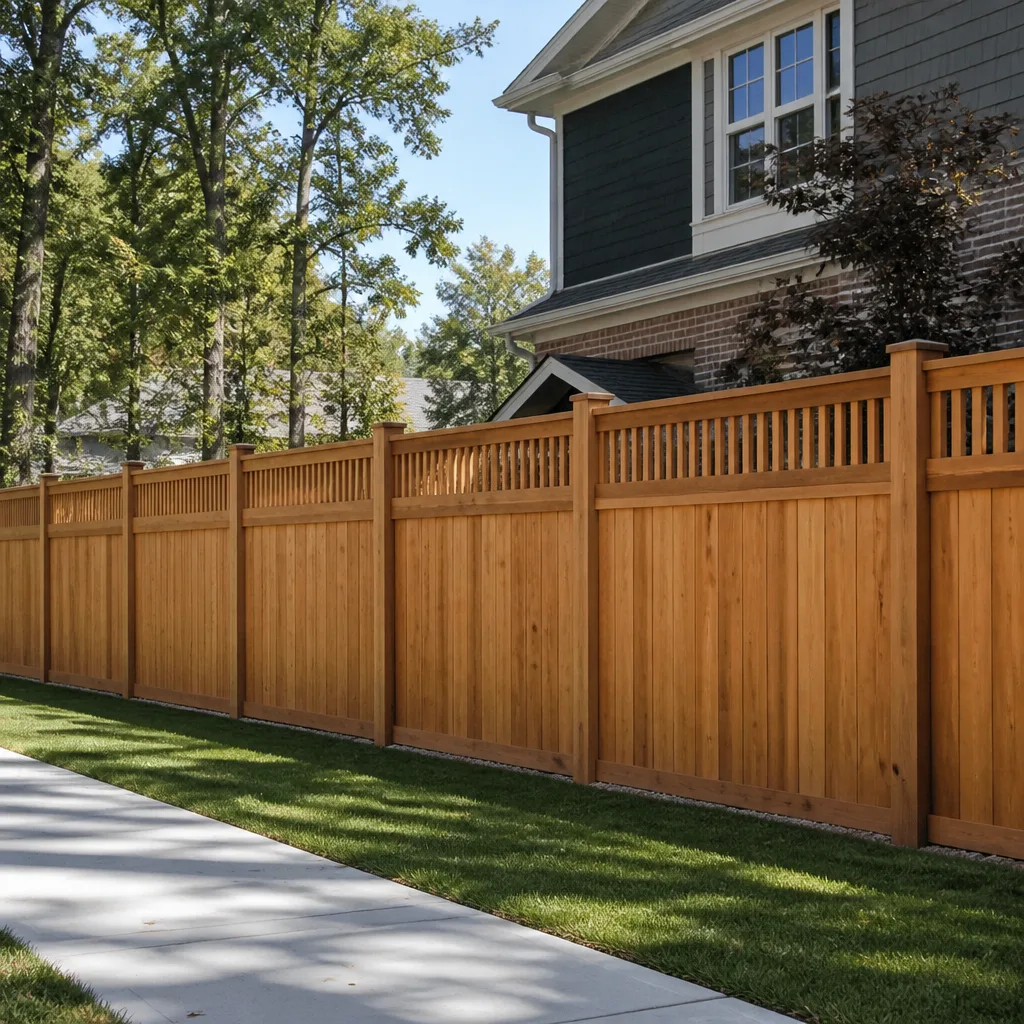
Signs Your Blanco Fence Installation Is Failing
- Gate dragging or scraping the concrete. The hinge bushings or post mount has sagged. Blanco gate hinges use a nylon bushing that eventually wallows out, and once that happens the gate weight sits on the latch side instead of the hinge side. You’ll see a crescent-shaped scrape mark on the concrete or pavers underneath.
- Post lean after rain. In Pasadena’s clay-heavy soil, the freeze-thaw cycle isn’t the issue like back east. What happens here is that older posts were set in concrete that has cracked over decades, and winter rain gets in and loosens the footing. A post that’s leaning more than a few degrees usually means the footing has failed, not the post itself.
- Rust blooms at the panel-to-post connection. This is the classic Blanco aluminum issue we see on older installs. Where the steel hardware meets the aluminum panel, galvanic corrosion sets in over the years. It shows up as an orange-brown stain running down from the connection point. The panel may still be fine; the hardware needs replacement.
- Latch won’t stay closed or requires lifting to engage. If you have to lift the gate to make the latch line up, the hinge side has dropped. Constant force will eventually strip the latch mechanism, and then you’re replacing both sides instead of just the bushings.
- Panels rattling in the wind. Loose set screws or worn channel gaskets let the panel move inside the post channel. In the Santa Ana winds we get every fall, that rattle gets loud enough to hear from inside the house. Tightening sometimes works; if it doesn’t, the gasket is gone and the panel is grinding metal on metal.
See the difference
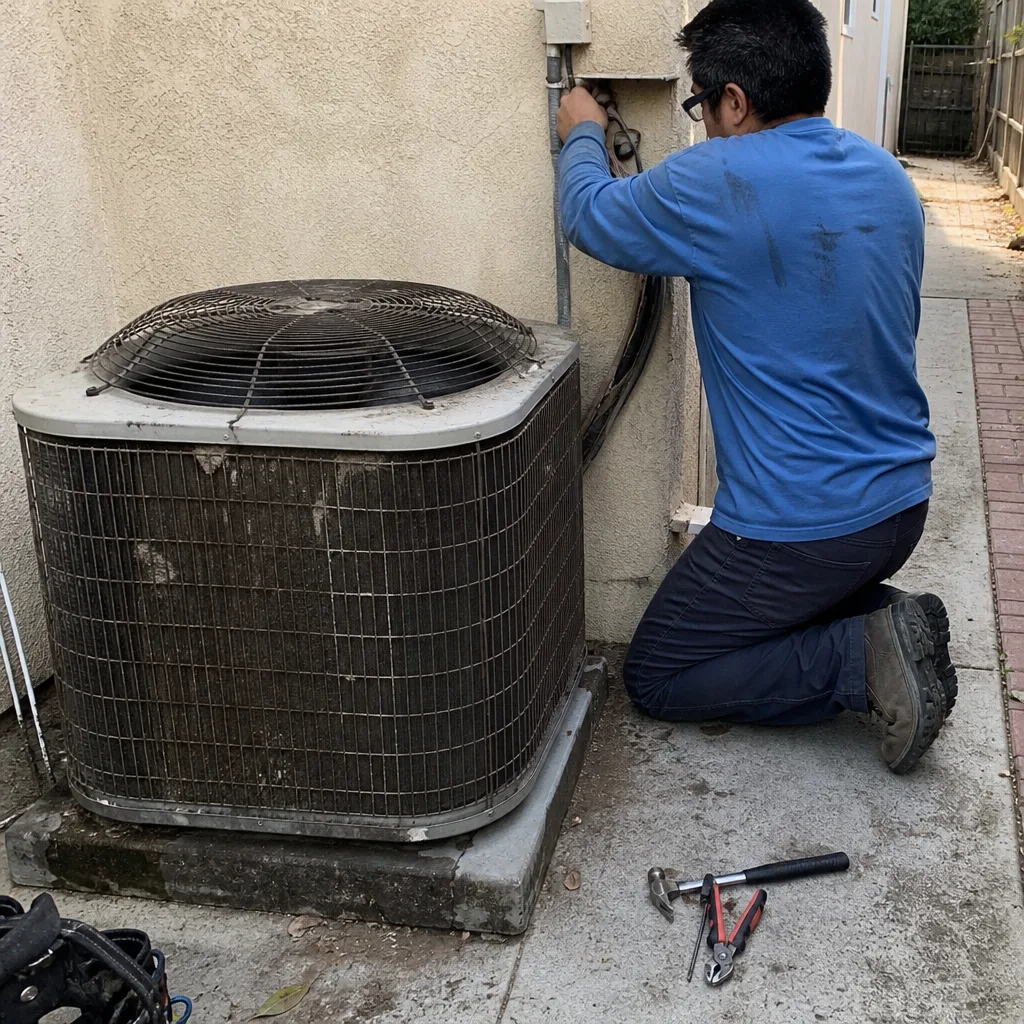 Before
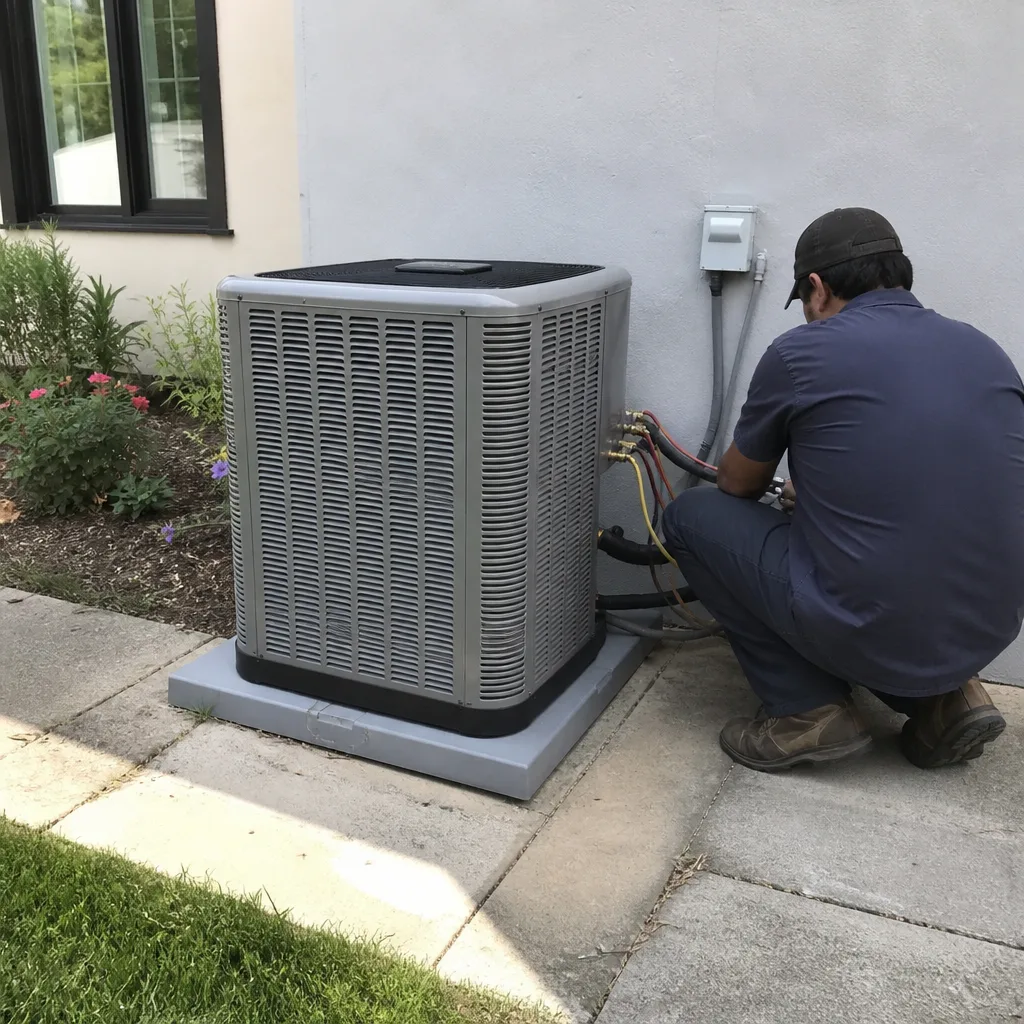 After
After Before
 After
After Before
 After
AfterReplacement Cost & What’s Included
For a typical Pasadena property with 40 to 80 linear feet of Blanco fencing, full replacement of posts, panels, and hardware runs $3,500 to $9,000 installed. On the lower end: vinyl panel replacement with existing posts in good shape, basic hardware, single gate. On the upper end: full post reset or replacement, ornamental aluminum panels, double gate with new hardware, and paint or powder-coat touch-up.
What drives the range most is post condition. If all of your posts are solid and we’re swapping panels and hardware, you’re looking at the lower half of that range. If several posts need to be re-set in new concrete or replaced entirely, the labor jumps because we’re removing old footings, setting and leveling new posts, and waiting for concrete to cure before hanging panels. In Pasadena clay, we also recommend a deeper footing with drainage gravel at the base, which adds a modest amount to the demo time but prevents the same lean from returning in five years.
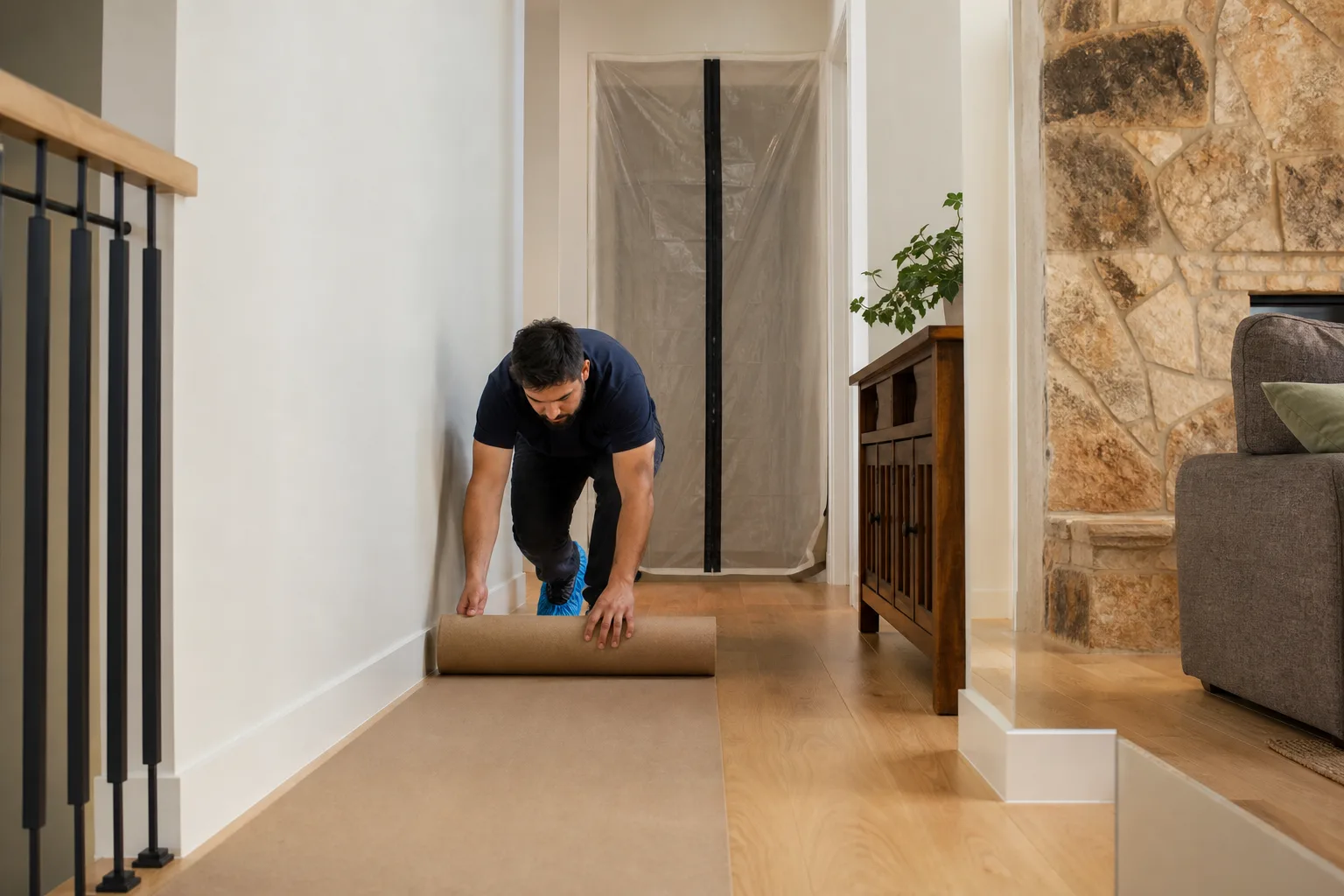
Here’s the transparency part we never skip: the written price you get before any work starts covers parts, labor, haul-away of the old materials, and the clean-up. That includes drop cloths or plywood laid across any lawn or patio areas we need to walk, a photo of the site after clean-up before the crew leaves, and the 365-Day Done Right Promise on the installation. If something fails because we installed it wrong, we make it right at no cost to you. Graham Stein has said it on enough job sites that it’s basically company policy now: “The price you see on paper is the price you pay at the end – no footnotes.”
DIY or Call Us?
There are a few things you can safely check yourself before calling. Look at the gate hinges and see if the nylon bushing is visibly cracked or missing. Check the set screws inside each post channel: if you can wiggle the panel by hand, they’re probably loose and may just need re-tightening with a hex key. Wipe down the posts and check whether the rust is surface-level or if the post metal is actually thinning, especially near ground level where sprinkler overspray hits.
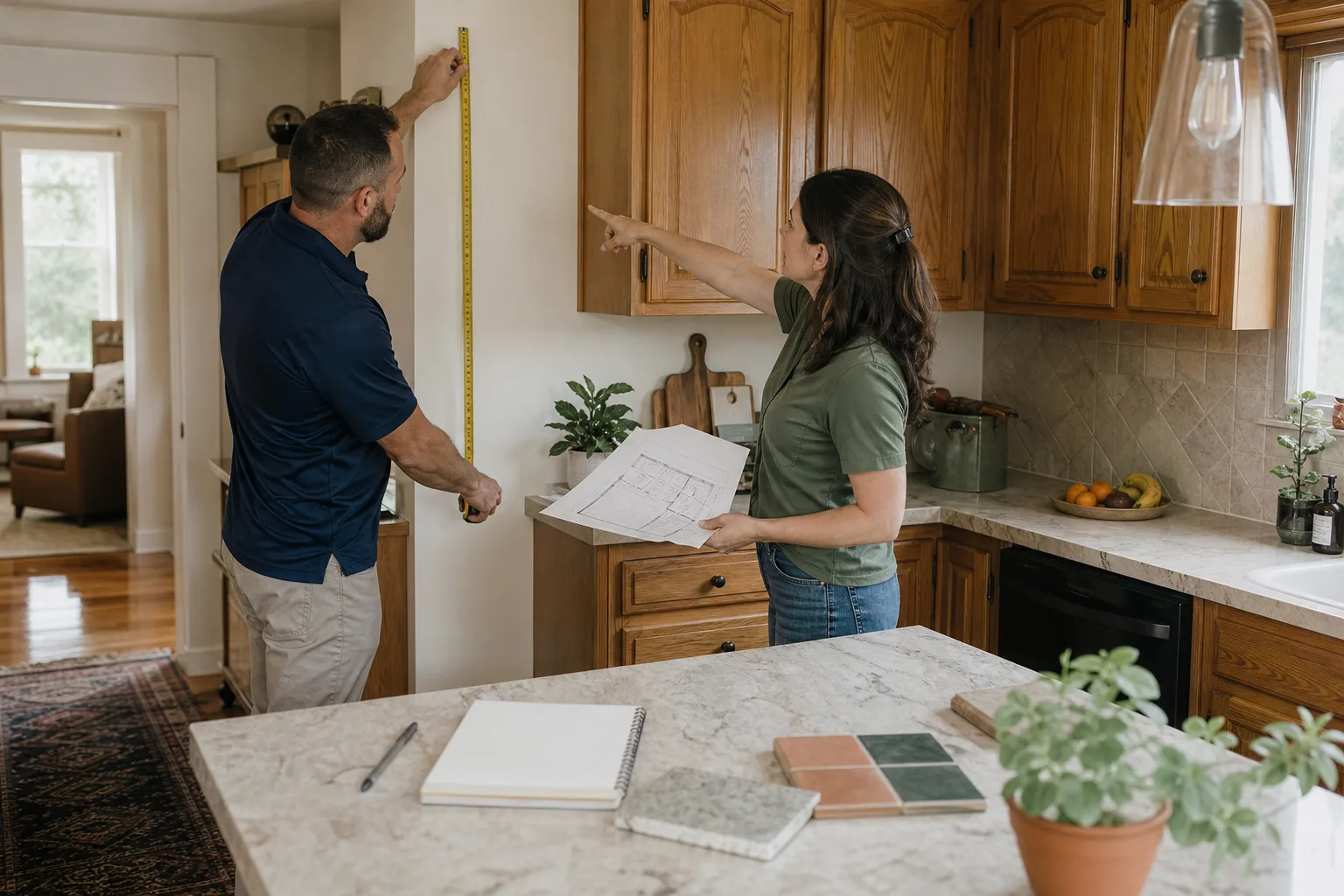
Where we step in is anything involving post removal, concrete footings, or a gate that has dropped out of square. Removing an old fence post set in concrete is heavier work than it looks; a post that weighs 60 pounds becomes a lever that can swing through 180 degrees once it’s loose, and I’ve seen too many fence posts take out a window or a sprinkler line because someone underestimated it. The concrete plugs that come out of the ground are also surprisingly heavy, and they need to be hauled away properly. If your posts are tilted or the gate is dragging, call us at (626) 714-2992 and we’ll schedule a walkthrough at no cost to you. We’ll measure, show you what’s actually failing, and put a written price in front of you before any drop cloth goes down.
FAQs
With solid post footings and proper drainage, a Blanco aluminum or vinyl fence installation in Pasadena should last 25 to 35 years for the panels and hardware, with posts potentially outlasting the panels. The Southern California climate is relatively forgiving: we don’t get the winter frost heave that destroys fences in colder states, but the combination of dry heat that bakes and fades vinyl, plus the Santa Ana winds that stress connections, means you’ll likely replace hardware bushings and gaskets once or twice before the panels need attention. Call (626) 714-2992 for an exact assessment of your fence’s remaining life.
Sometimes. If the post is straight and structurally sound but the footing has cracked, we can dig out and re-set the post with fresh concrete and drainage gravel. If the post itself is bent, cracked, or corroded through at the base, repair becomes a temporary fix that fails again, and you’re better off replacing the post now. We’ll tell you which applies to your fence before any work starts.
A single gate hinge or latch replacement takes under an hour once we’re on-site. A full post reset with new concrete typically requires two visits: one to demo and pour, a curing period of 24 to 48 hours, and a second visit to hang the panels and test the gate. A full fence line replacement typically wraps in one to three working days.
Yes. We keep the most common Blanco gate hinges, latch assemblies, post caps, and set screws in our trucks, along with the bushings and gaskets that fail most often. For less common series-specific parts, we source from our local suppliers, usually with a two-to-five-day lead time. We also work regularly with parts for other named brands, including KraftMaid, Cambria, and Silestone on remodeling projects, so we’re used to matching specific components to specific lines. Call (626) 714-2992 and we’ll confirm whether your part is already on the truck.
Written by Graham Stein, Owner, Elmstead Remodeling Pasadena at Elmstead Remodeling Pasadena, serving Pasadena and nearby areas.