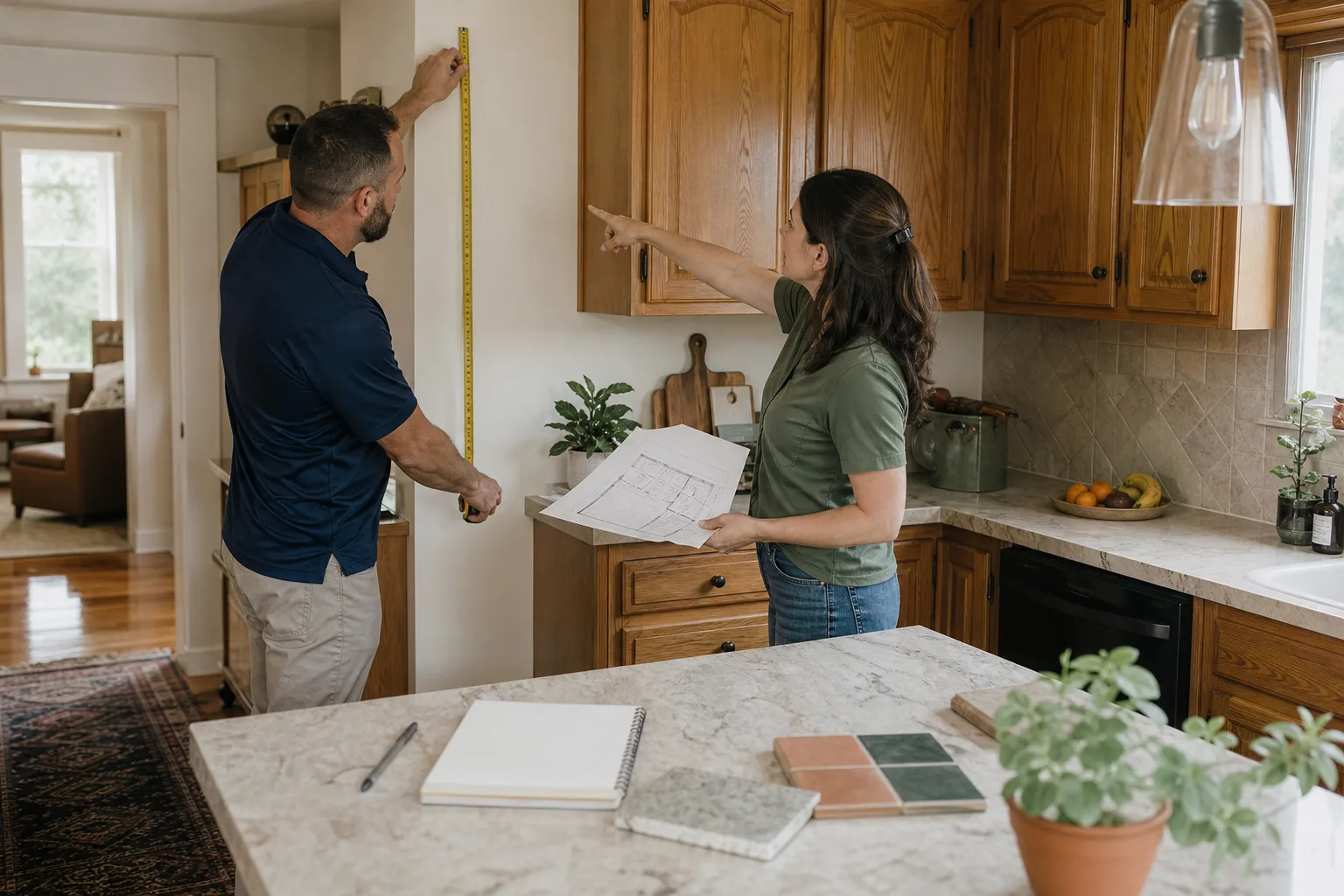
Free written scope consultation - allowances, timeline, and change-order rules on paper before a single trade is scheduled
Boxabl Home Additions & ADU: The Pasadena Owner’s Guide
If you own a Boxabl home in Pasadena and you’re planning an addition or an ADU, the installed price for a Boxabl-compatible home addition in this area typically runs $45,000 to $130,000, while a full ADU construction lands between $90,000 and $220,000. Most Pasadena owners call us when they’ve hit a wall with their current layout – a Boxabl Casita that felt spacious in year one now needs a second bedroom, or they want to add a granny flat in the back lot and need someone who understands how Boxabl’s panelized steel structure ties into new framing. We stock the common connection hardware, weather sealing, and transition materials on our trucks, and we can usually complete the assessment visit within a few days of your call.
We’re an independent remodeling contractor, Elmstead Remodeling Pasadena, a Cedarwell company – not affiliated with Boxabl, but we’ve worked on enough of these structures across the San Gabriel Valley to know exactly where they shine and where they need a careful hand.
Which Boxabl Models This Applies To
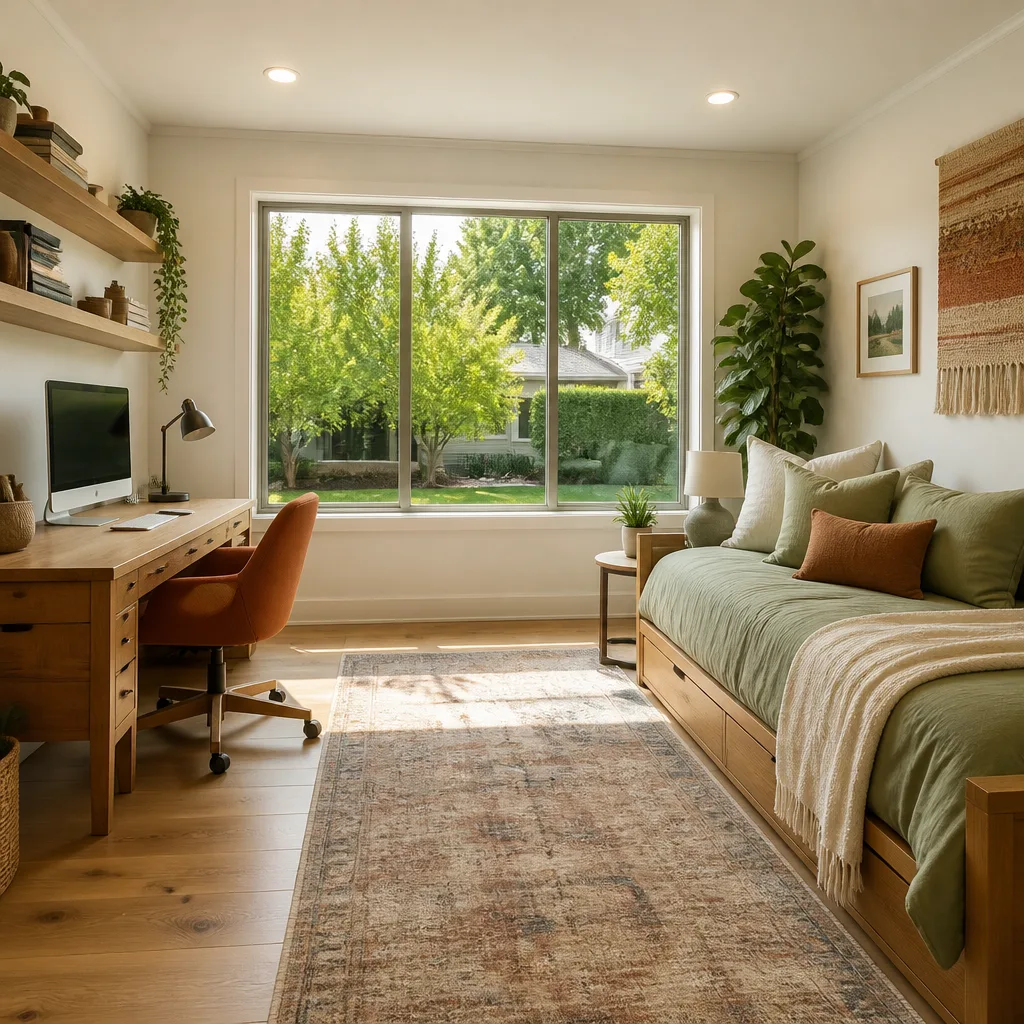
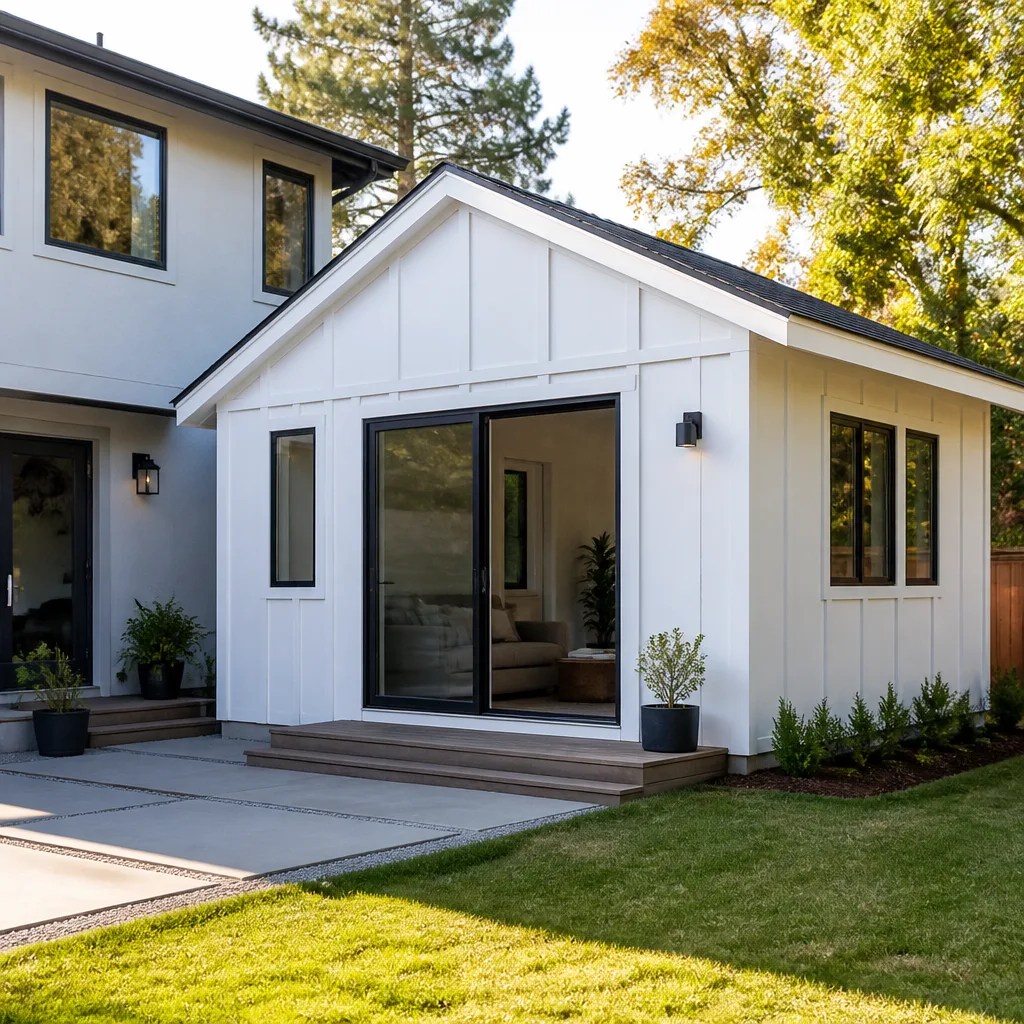
Boxabl’s most common residential product in Pasadena is the Casita, a 20-by-20-foot folding module that arrives on a flatbed and unfolds on site. The panelized wall system uses a steel frame with foam insulation and sheathing, which means any addition or ADU connection has to account for steel-to-wood or steel-to-steel transitions – not just standard stud framing. If you’re adding to an existing Casita, the connection point at the roofline and the marriage wall is where the engineering gets specific: the Boxabl roof cassette is a corrugated steel deck, and attaching a site-built addition requires a flashing and transition detail that most framing crews in Pasadena haven’t touched before. We have.
For a new ADU on a Pasadena lot, the county’s accessory dwelling unit rules apply the same way they would to any construction – setbacks, height limits, utility connections – but the Boxabl module gives you a head start on the core structure. The question is always whether to start with a Boxabl shell and build out from it, or to go fully site-built. Both paths work, and we’ll walk through the trade-offs in straight language before you commit to either.
One compatibility gotcha worth knowing before you plan: Boxabl’s standard roof load rating is engineered for the folded-shipping profile, and when you add a site-built roof over or alongside it, the connection hardware has to be specified to transfer load correctly. We’ve seen owners buy generic Simpson ties off the shelf and end up with a seam that leaks at the first Pasadena rain season. Not worth it. We specify the hardware by name and confirm it on the plan before demo starts.
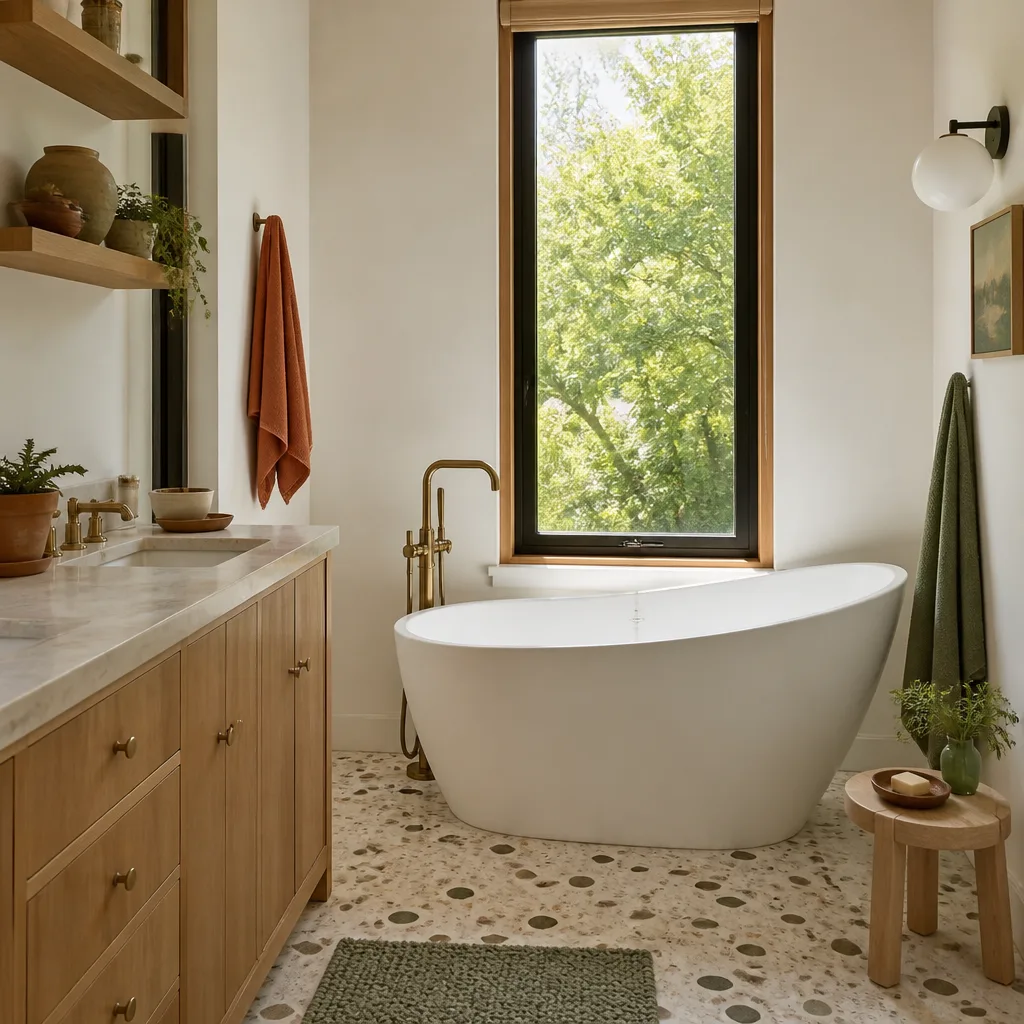
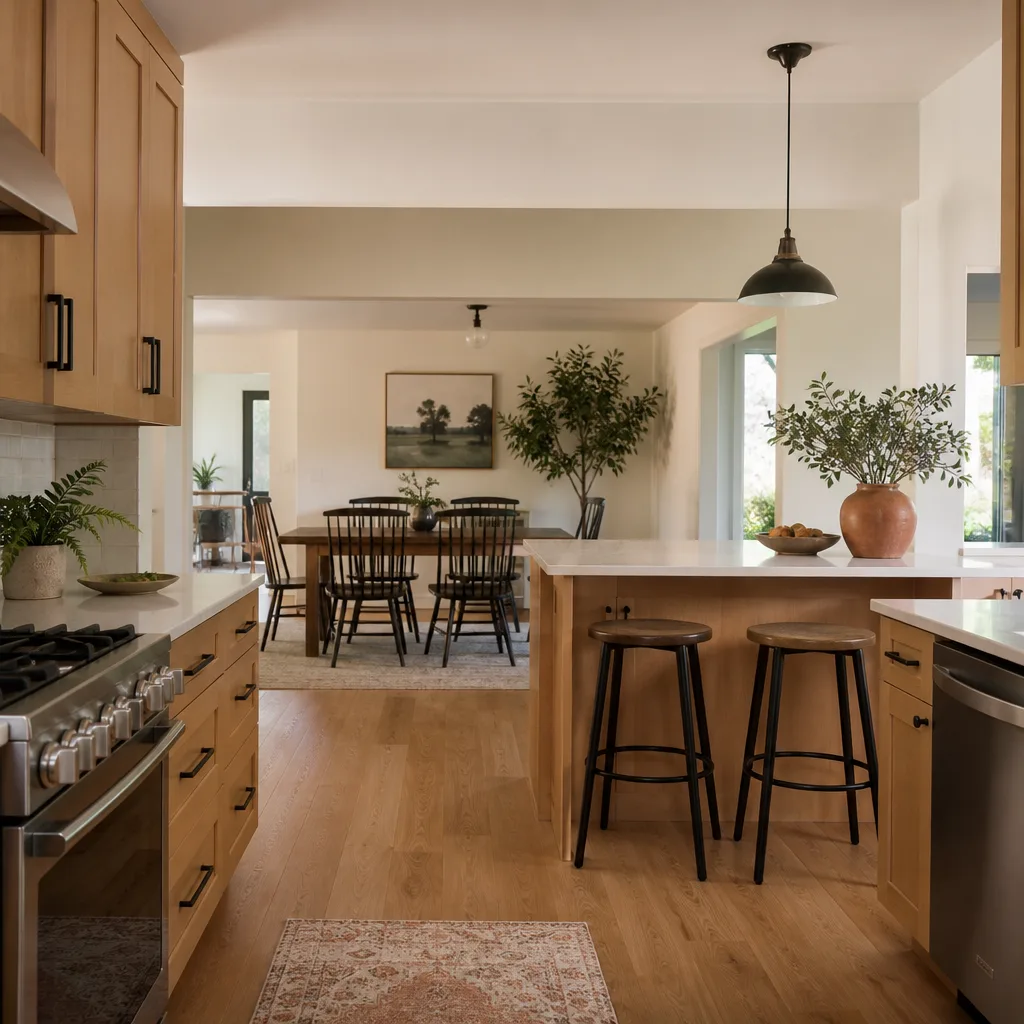
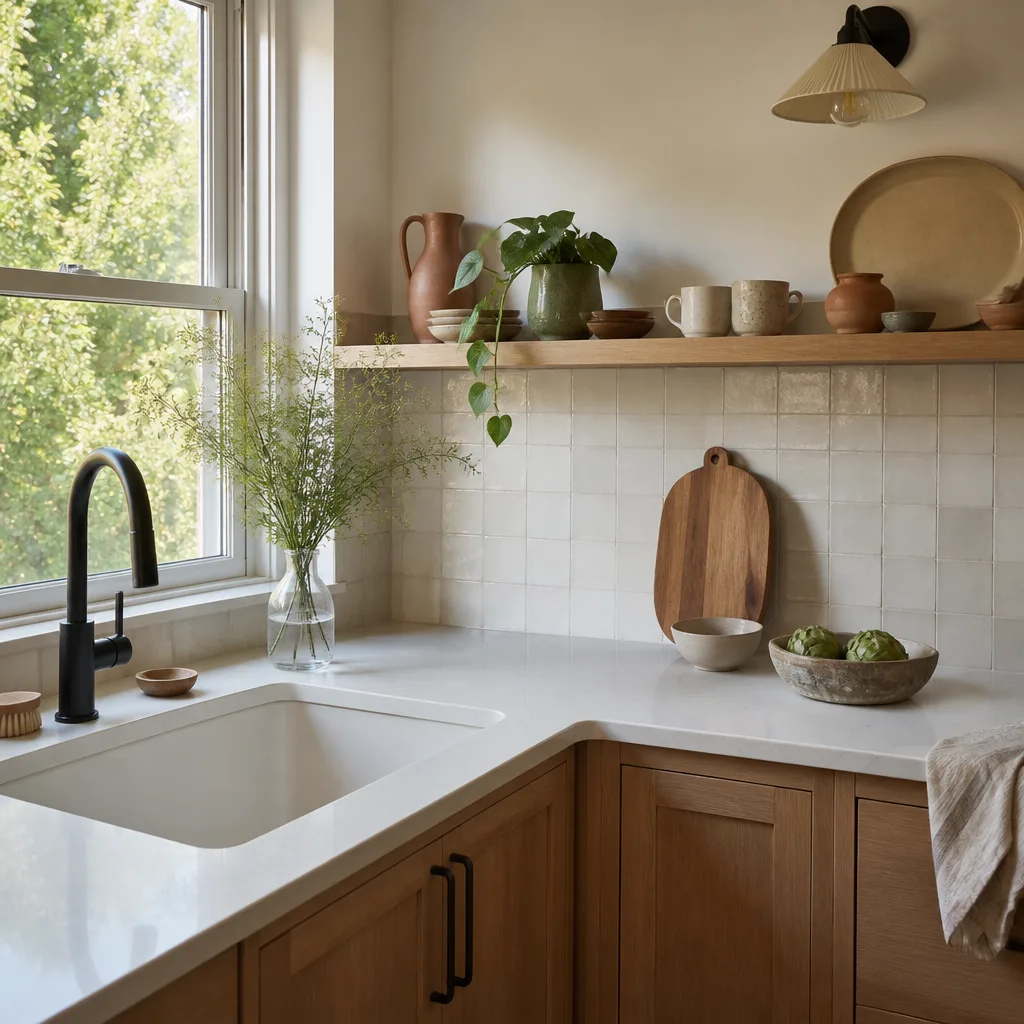
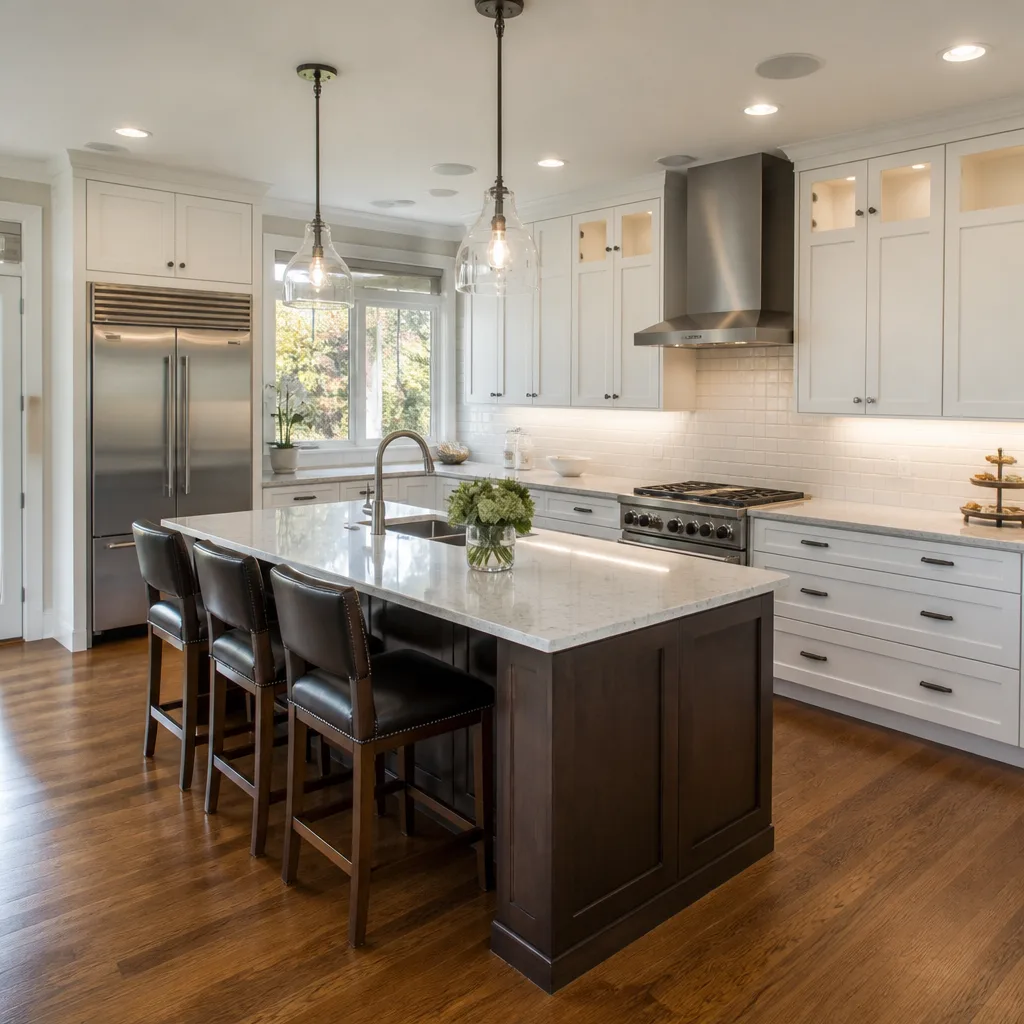
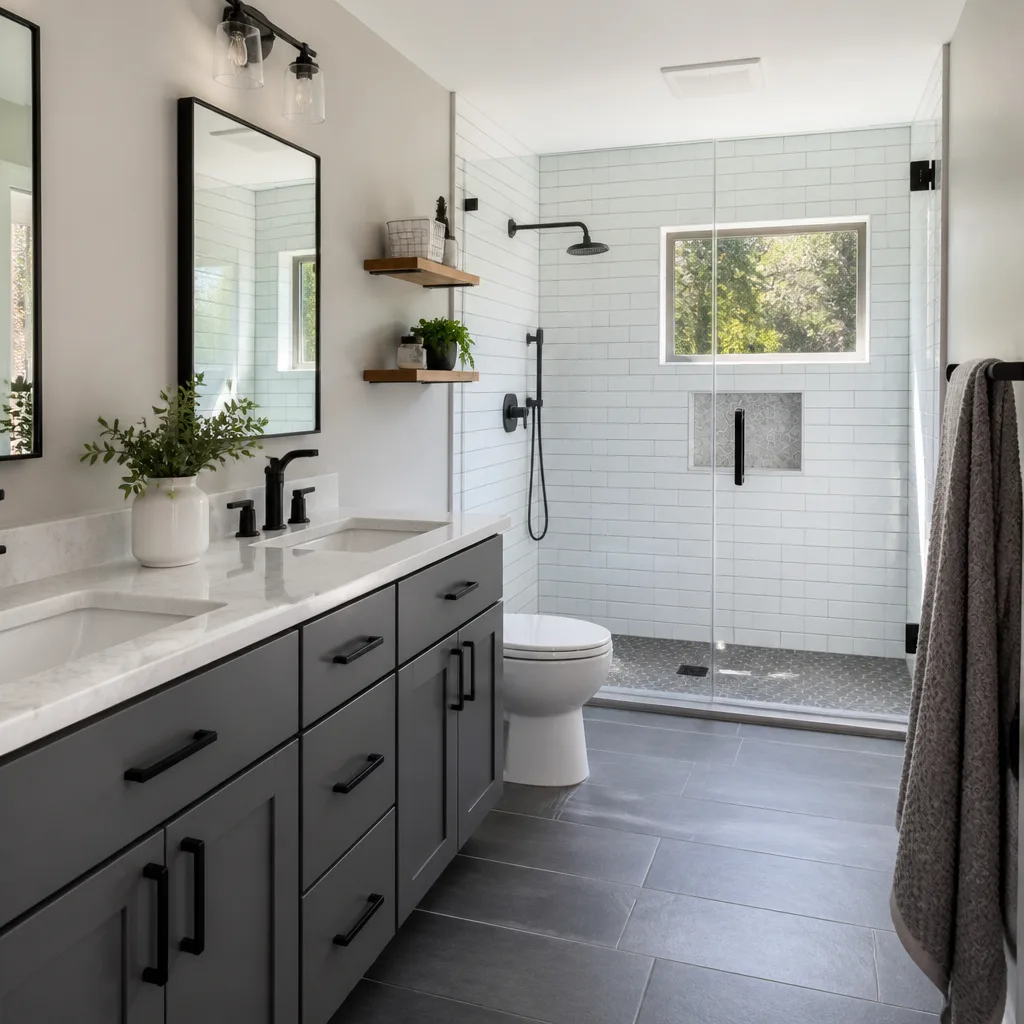
As for finishes, Boxabl’s interior uses its own trim profiles and panel joints. We carry matching transition strips and sealants, and when you want to extend a kitchen or bath using named-brand materials, the lines we work with – KraftMaid cabinets, Cambria and Silestone countertops – can be specified to match or complement the existing Boxabl interior.
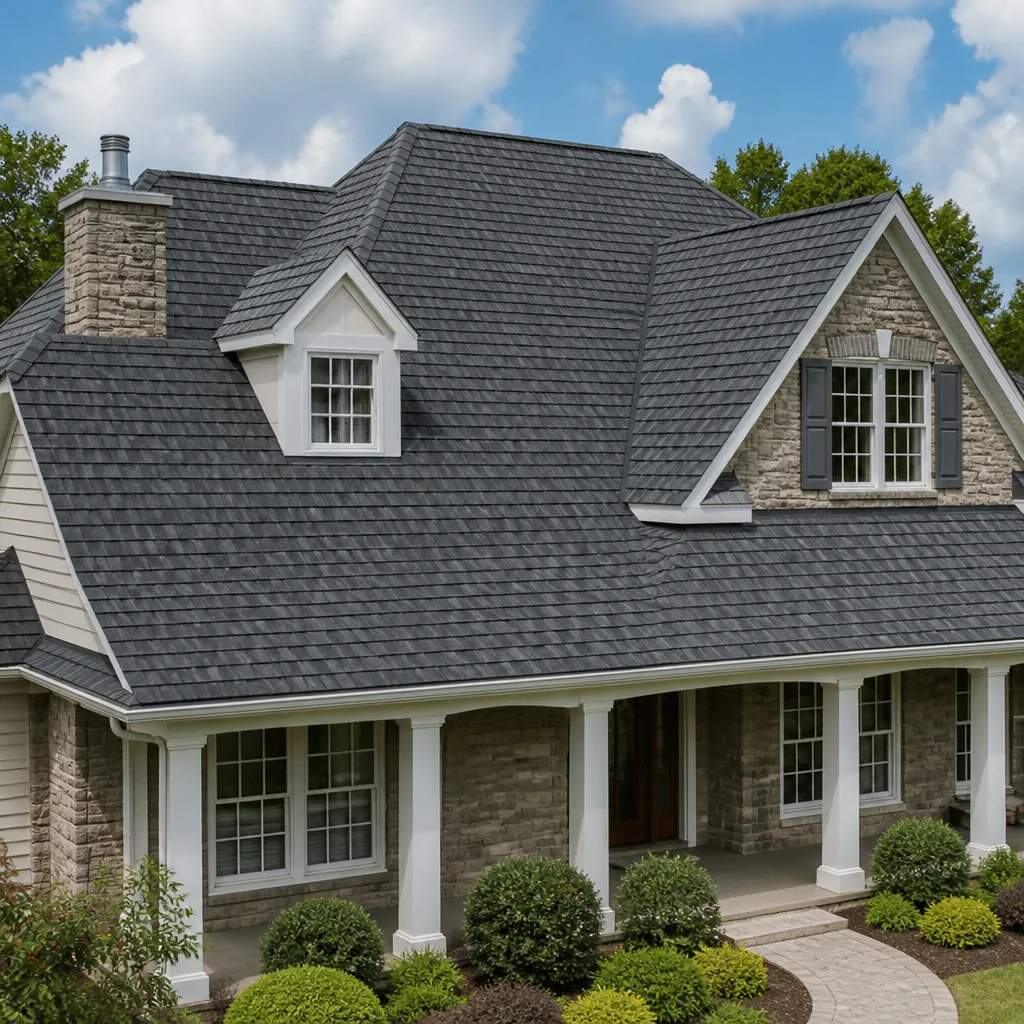
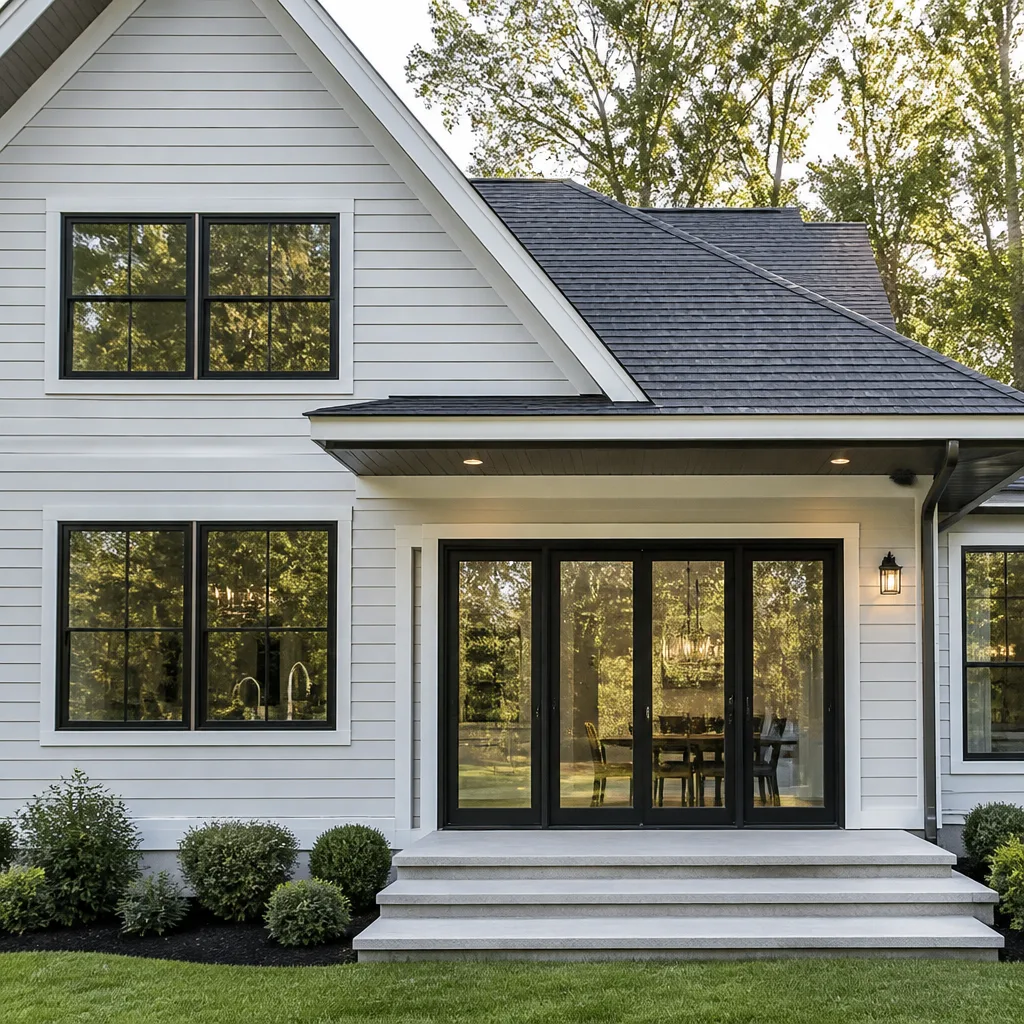
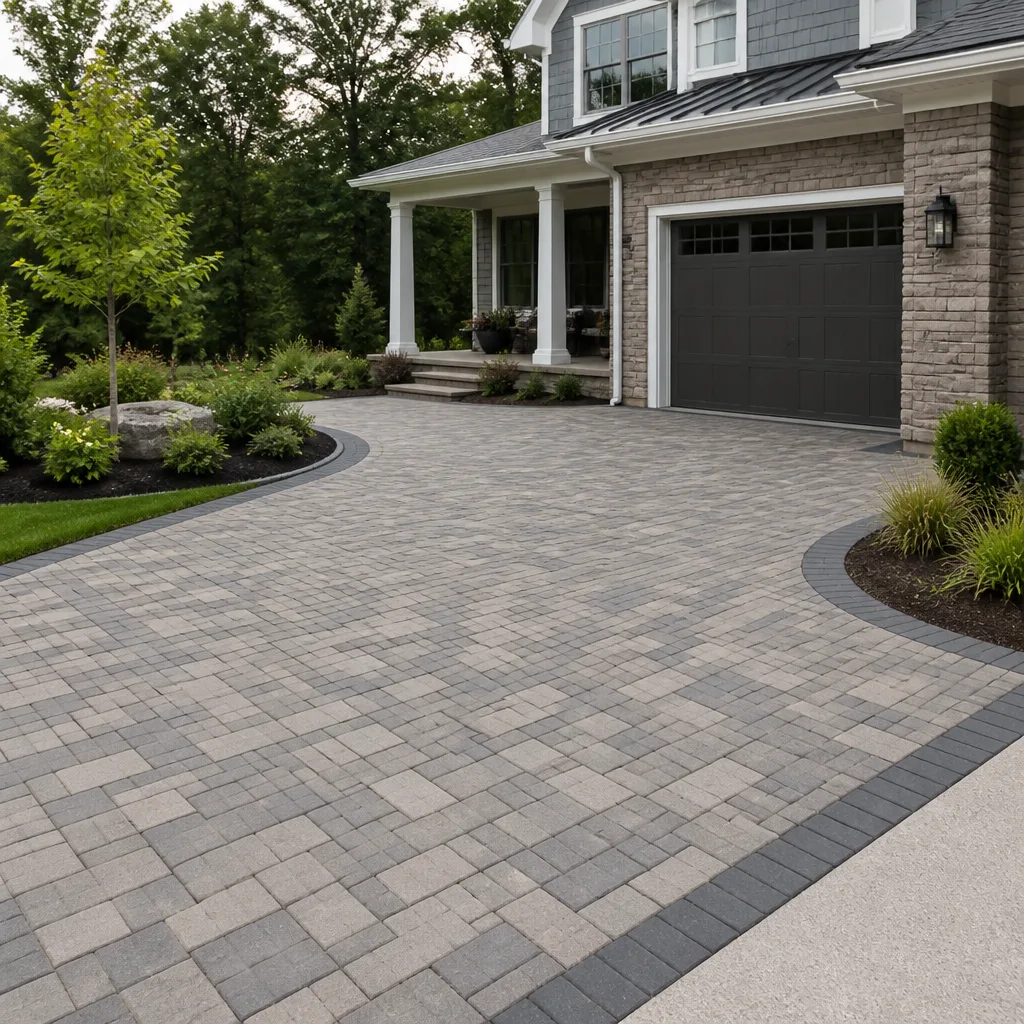
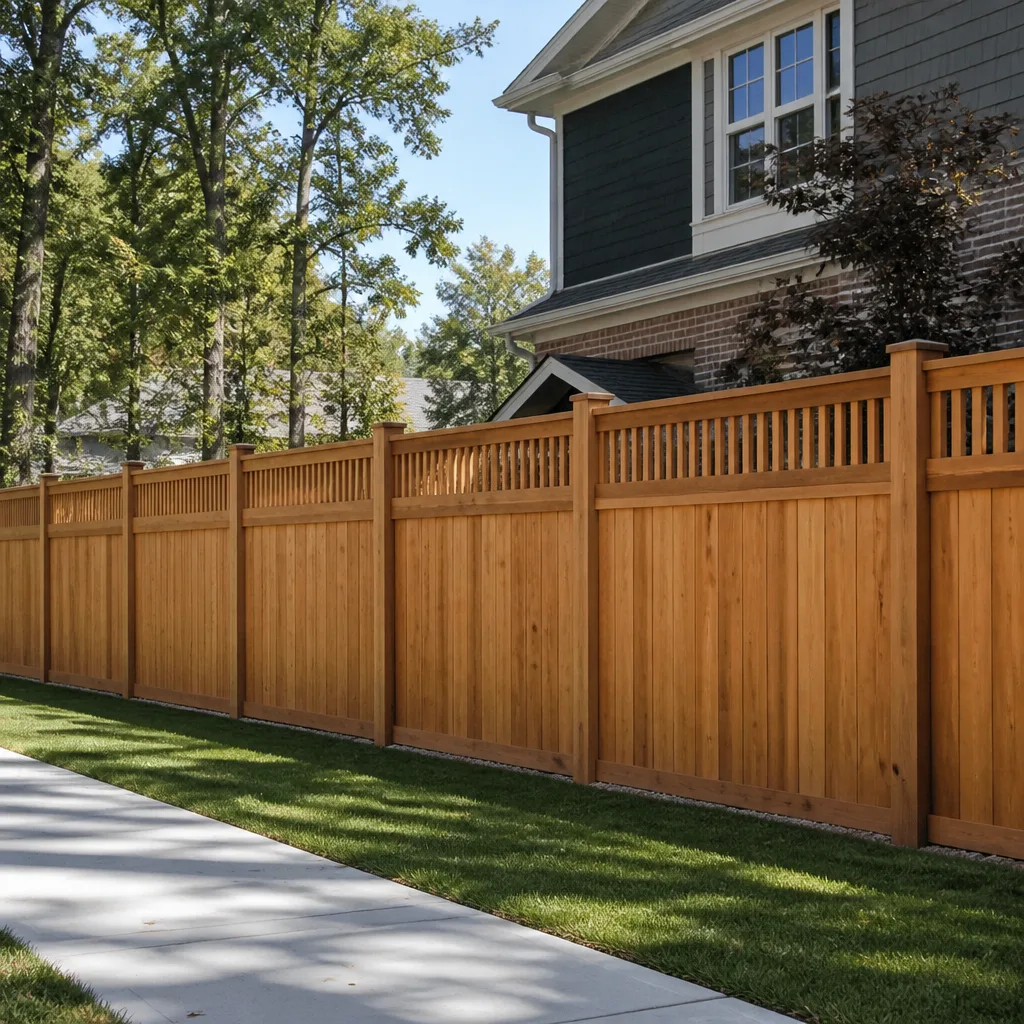
Styles & brands we work with
Signs Your Boxabl Home Additions & ADU Is Failing
Most Boxabl additions don’t “fail” catastrophically. They fail quietly, at the seams, and you notice it at the worst possible moment – usually a Pasadena winter rain. Here’s what we see most often:
- Water staining at the marriage line between the Boxabl module and the site-built addition. This is the number-one call we get after the first heavy rain. The cause is almost always a flashing detail that was lapped the wrong direction or a sealant that wasn’t rated for the thermal movement between steel and wood. Water gets in at the seam, tracks down the wall, and shows up as a brown line on the interior paint.
- Gaps opening at the roofline transition. The Boxabl roof cassette and a site-built roof expand and contract at different rates, especially in Pasadena where we swing from 40-degree mornings to 100-degree afternoons. If the transition wasn’t built with that movement in mind, you’ll see a gap open up, then close, then open again – and eventually it stops closing.
- Door or window hardware binding in the module walls. Steel framing resists movement, which means a small settling issue that a wood-framed house would absorb instead transfers to the door and window frames. If your sliding door or casement window has started to drag or the handle tension feels different than it did last year, the issue is usually in the framing behind it, not the hardware itself.
- Uneven flooring at the module-to-addition threshold. Boxabl floors are engineered panels, and site-built floors are framed lumber. They settle differently. When the threshold starts to rise or dip noticeably, the pier or footing under one of those two systems has moved, and the fix is structural, not a shim.
- Musty smell near the utility chase. The plumbing and electrical runs through a Boxabl wall use chases that can let air through if the penetration seals break down. Pasadena’s dry heat hides it in summer, but as soon as humidity rises, the smell gives it away. It’s usually a small fix when caught early – and a wall repair when it isn’t.
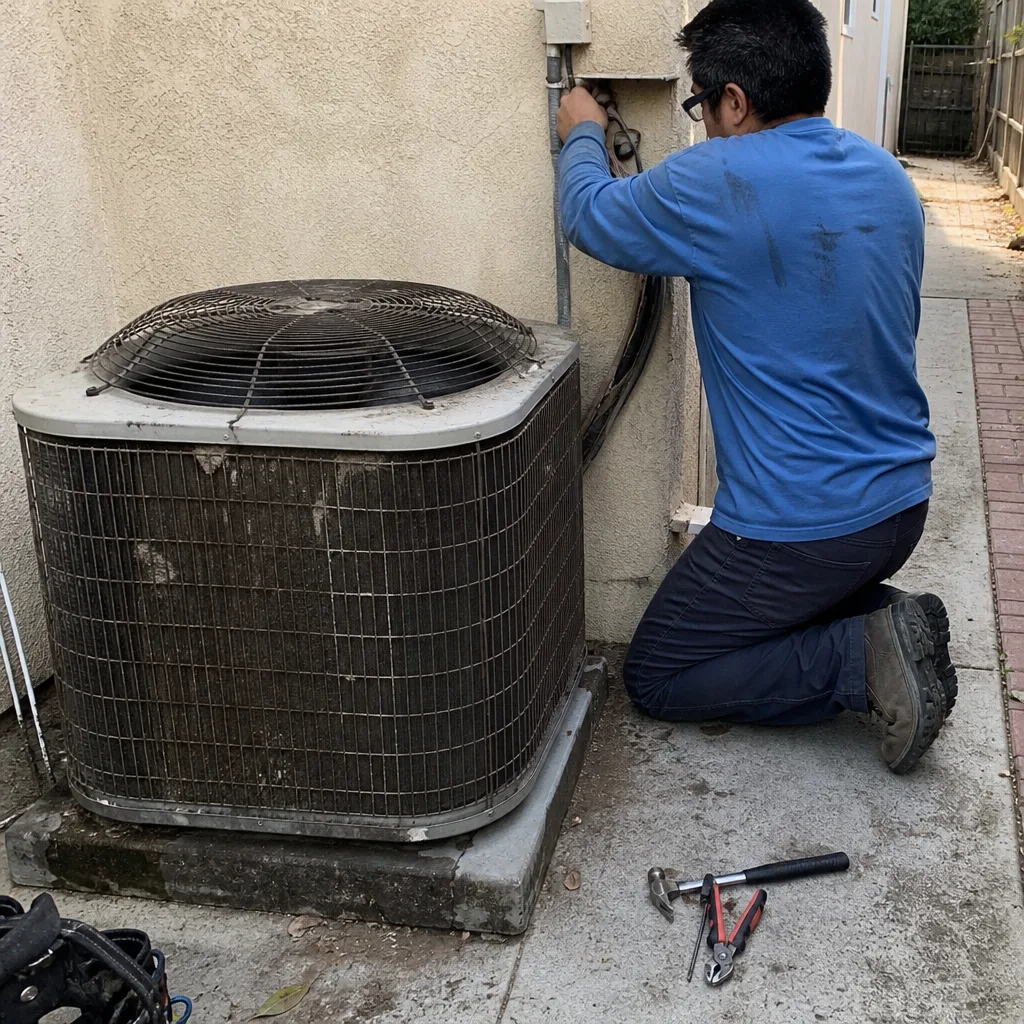
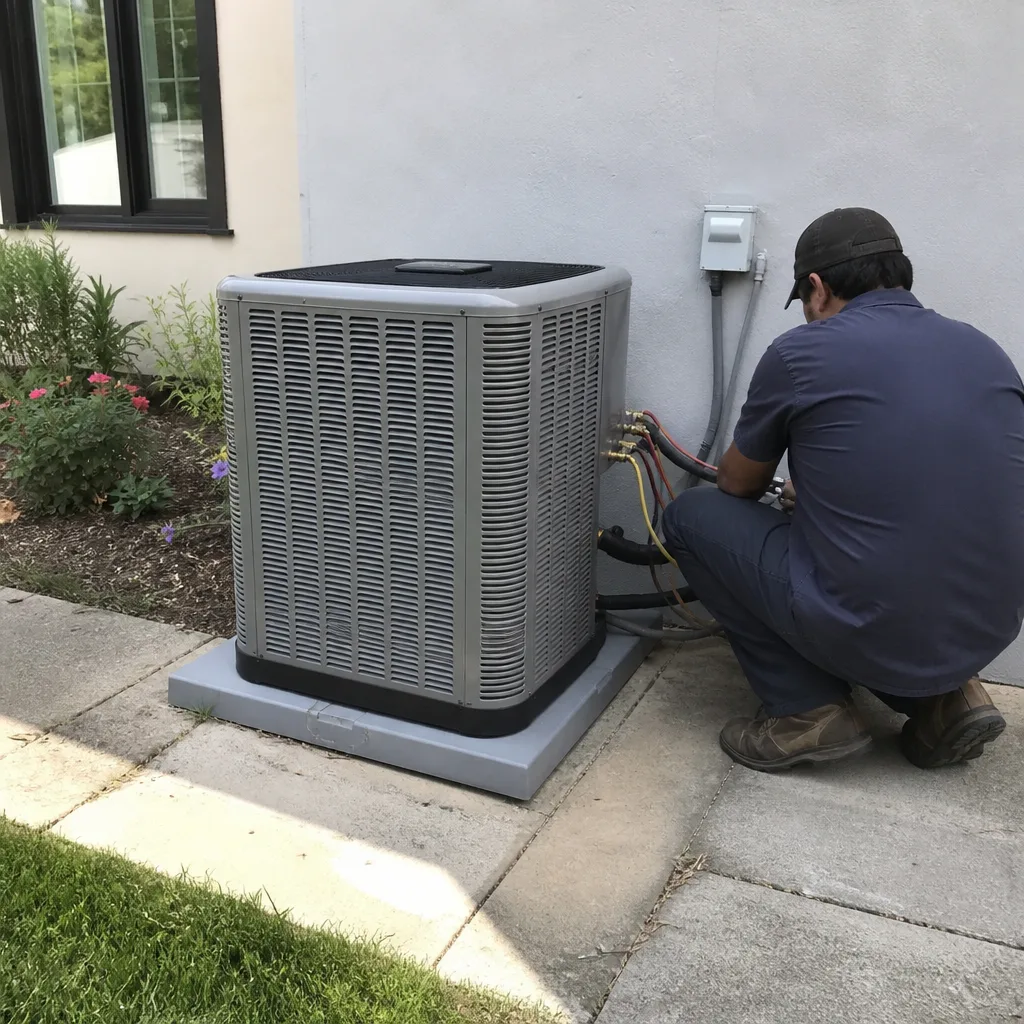
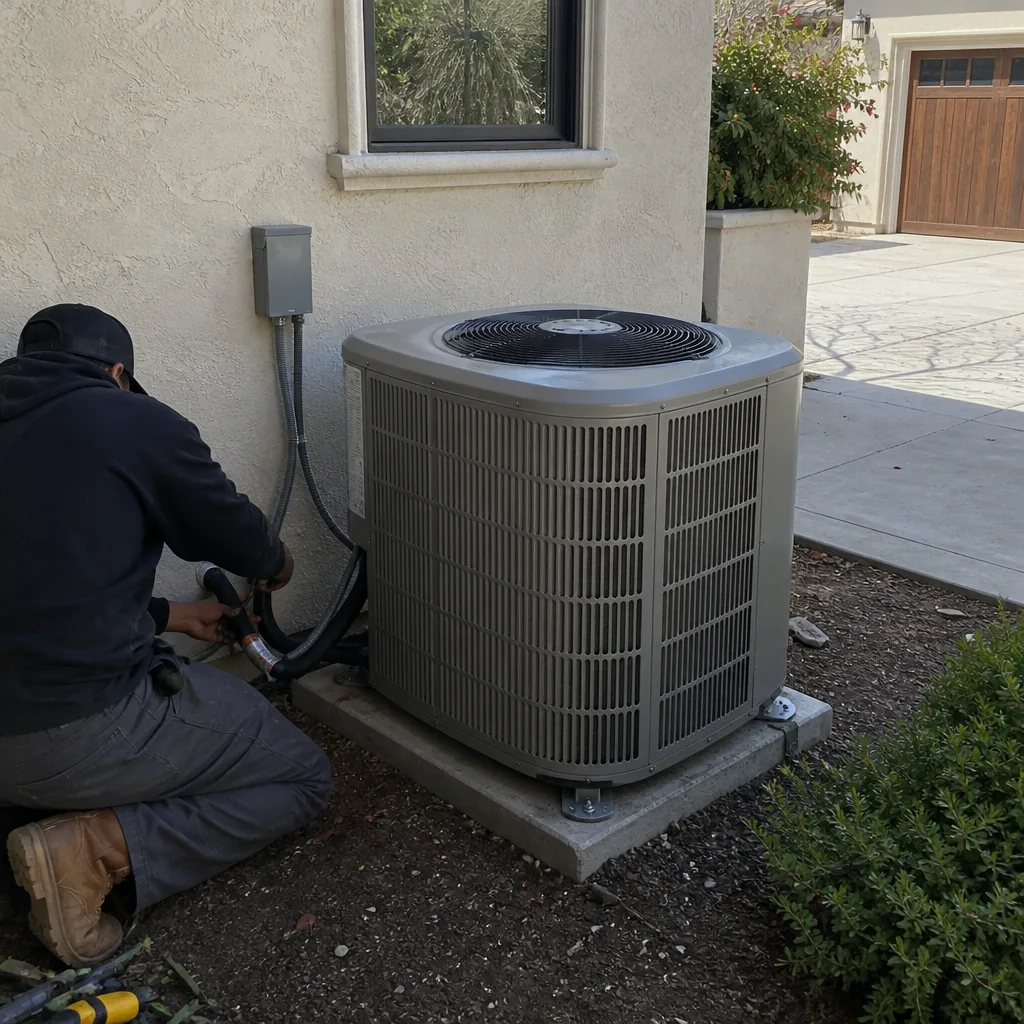
See the difference
 Before
 After
After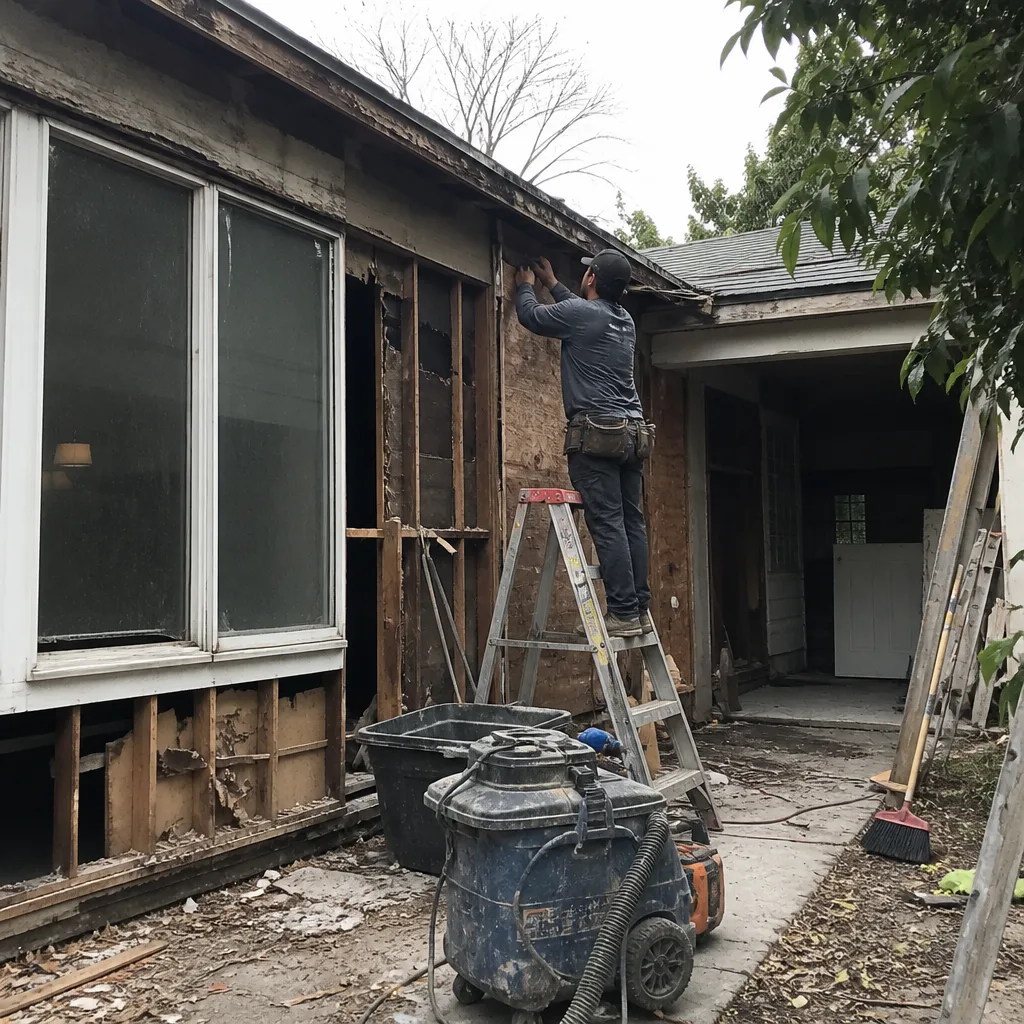 Before
 After
After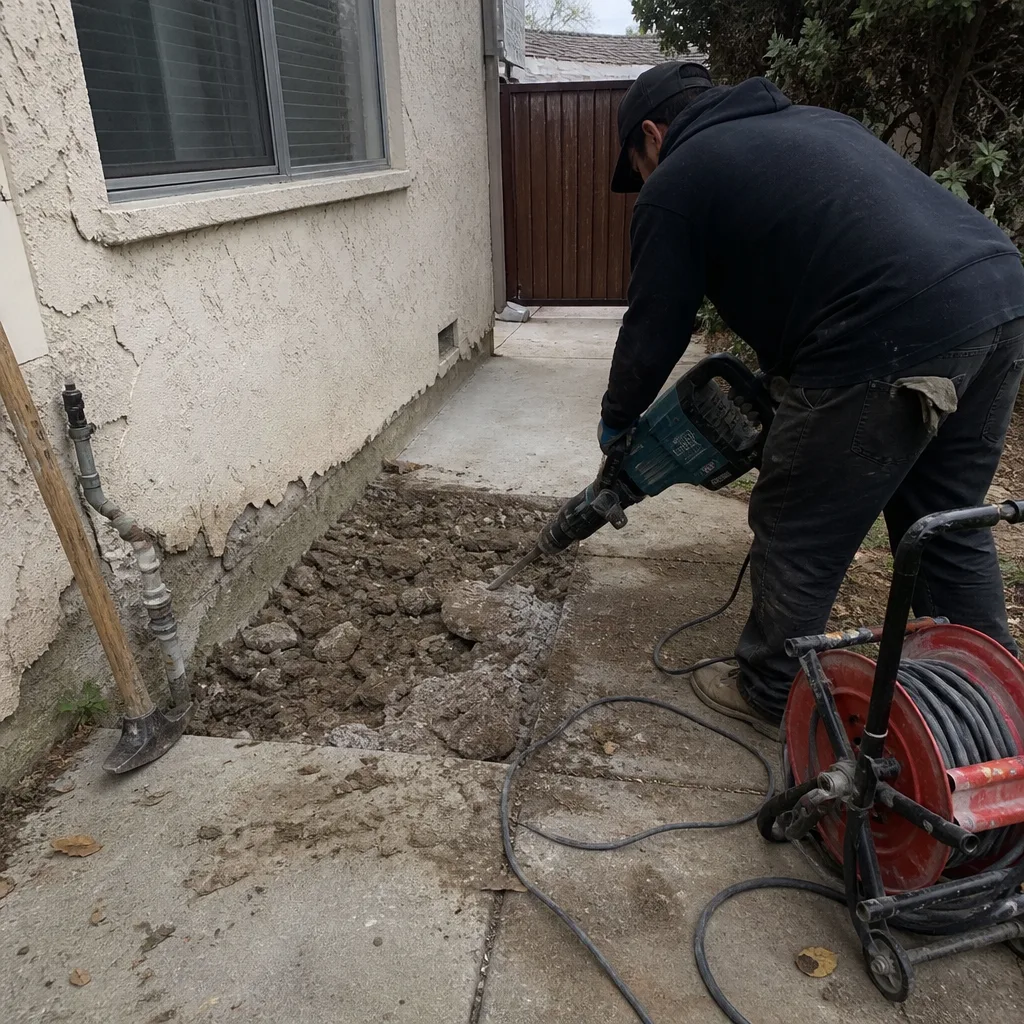 Before
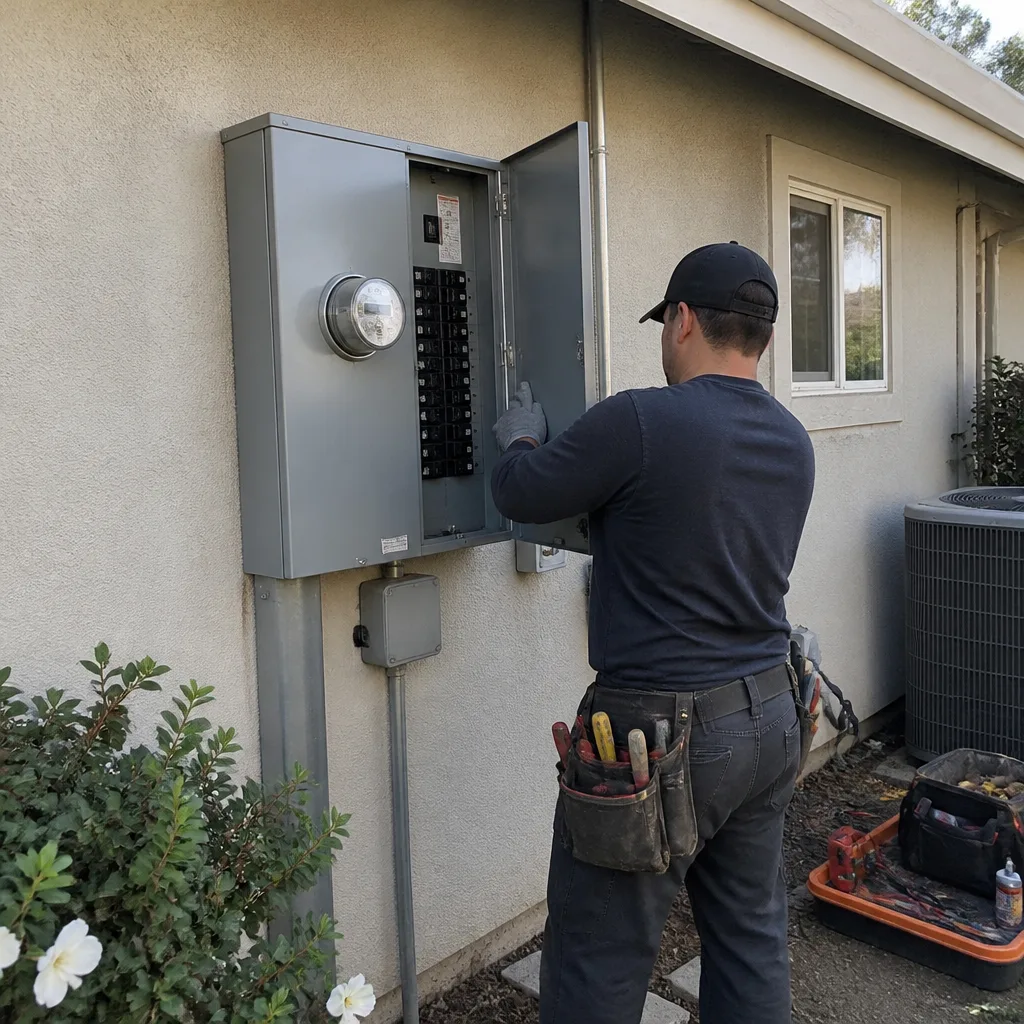 After
AfterReplacement Cost & What’s Included
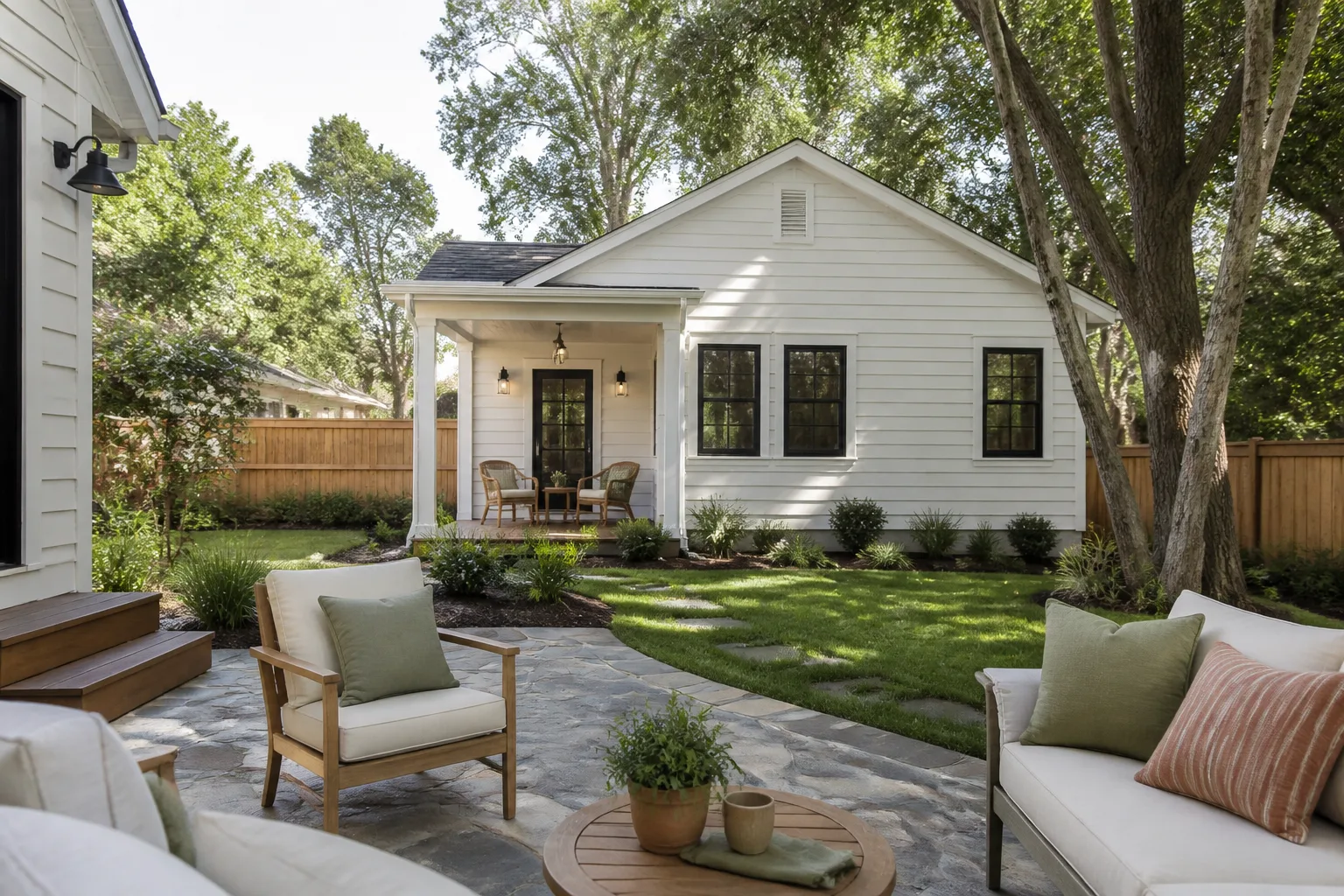
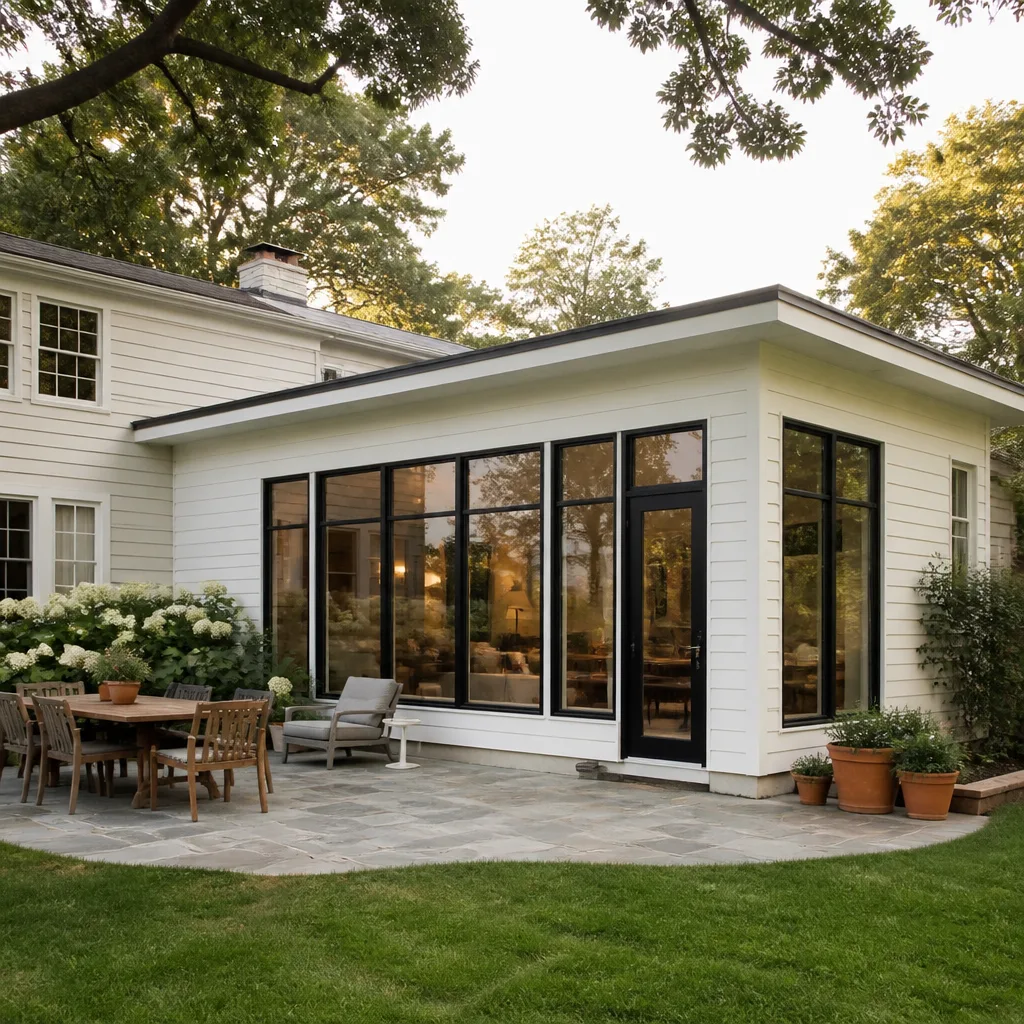
For a Boxabl-compatible home addition in Pasadena, the installed range is $45,000 to $130,000 – and before you ask, yes, that’s a wide span, and yes, there’s a reason. The bottom of that range is a modest single-room bump-out with simple finishes and a straightforward roofline connection. The top end involves multiple rooms, a new kitchen or bath rough-in, upgraded finishes from our named-brand partners like KraftMaid cabinets or Cambria countertops, and more complex structural tie-ins to the existing Boxabl module. A full ADU, site-built or Boxabl-based, typically lands between $90,000 and $220,000 depending on size, site work, and utility runs.
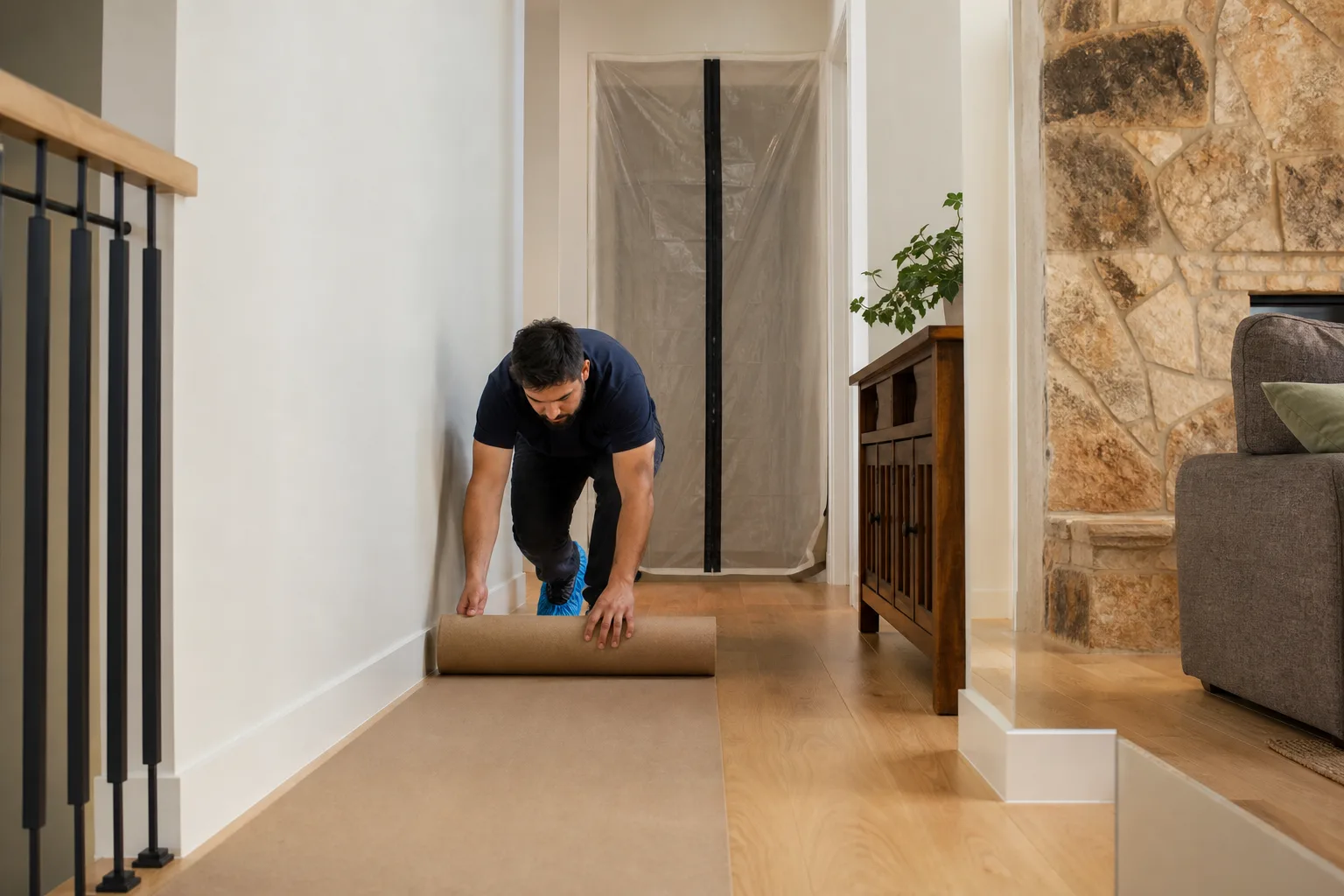
Every quote includes the same things, every time: a written line-item price before any work starts, drop cloths on the floors and shoe covers at the door, clean-up photo before the crew leaves, and the 365-Day Done Right Promise – if it’s not done right after completion, we make it right. The price you see on paper is the price you pay at the end – no footnotes. No change orders appear after demo day unless you choose to expand the scope yourself.
DIY or Call Us?
There are a couple of inspections any owner can do safely: walk the perimeter after a rain and note where water is staining, check the roof transition from a ladder only if you’re comfortable on one, and feel the thresholds for movement. Those observations help us diagnose faster.
What we wouldn’t recommend is opening up the marriage wall or the roof transition yourself. The Boxabl steel frame is under engineered load, and cutting into it without understanding where the load paths run can create a structural problem that didn’t exist before. The same goes for the utility chases – the electrical runs through those walls are live, and the plumbing penetrations are sealed for a reason. If you’re not sure where the line is between “simple inspection” and “open up the wall,” call us at (626) 714-2992 and describe what you’re seeing. We’ll tell you honestly whether it’s something to watch or something to schedule.
FAQs
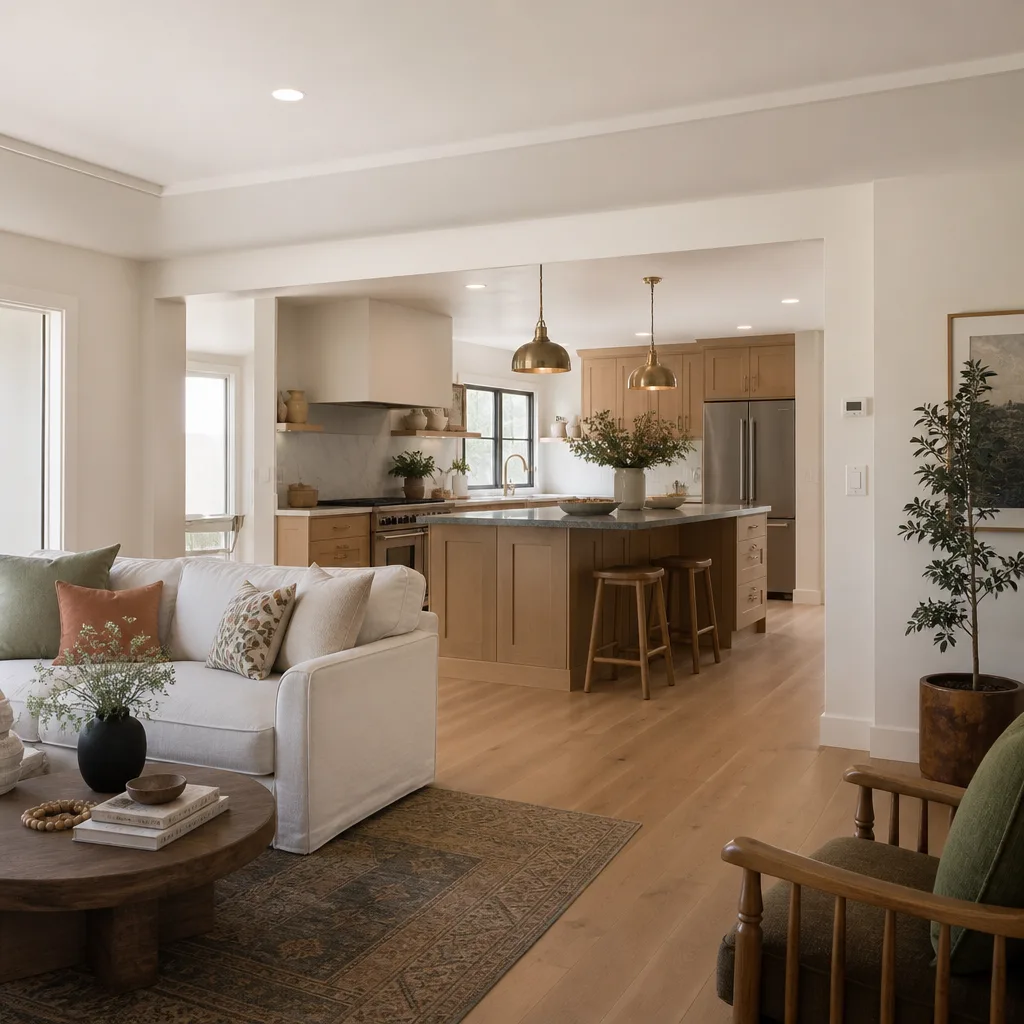
A properly tied-in Boxabl addition should last 40 to 50 years in Pasadena’s dry climate, with the main wear points being the roof transition sealants and the exterior coatings on the steel panels. The sealants we use are rated for the thermal swing we get here, and we re-inspect the marriage line on every maintenance visit we do for Boxabl owners.
Yes, in most cases the seam, threshold, or flashing detail can be repaired without rebuilding anything structural – the earlier you catch it, the smaller the repair. If the framing behind the wall has been wet for a long time, that’s when repair scope grows, which is why we’d rather hear from you at the first sign of staining.
A single-room Boxabl addition in Pasadena typically takes 6 to 12 weeks from the first cut to the final clean-up photo, depending on permitting and finish selections. A full ADU runs longer, usually 4 to 7 months. Before we start, you’ll have a written schedule with the milestones laid out so you know what to expect each week.
We keep the common connection hardware, transition flashing, rated sealants, and trim profiles on our trucks whenever we’re on a Boxabl-related job, so most seam and threshold repairs don’t require a return trip. For larger structural components, we order by spec from our suppliers and typically have materials on site within a week.
If you’re planning a Boxabl addition or ADU in Pasadena – or you’re seeing signs that an existing one needs attention – call us at (626) 714-2992 for a free estimate. Graham Stein and the Elmstead crew will walk the site with you, put the written price in your hand, and leave the house cleaner than we found it.
Written by Graham Stein, Owner, Elmstead Remodeling Pasadena at Elmstead Remodeling Pasadena, serving Pasadena and nearby areas.