Free written scope consultation - allowances, timeline, and change-order rules on paper before a single trade is scheduled
American Standard Driveway & Pavers: The Pasadena Owner’s Guide
American Standard doesn’t manufacture driveway pavers or paver systems, so when a Pasadena homeowner asks us about an “American Standard driveway,” they’re usually looking at a concrete or paver driveway that was installed alongside an American Standard plumbing fixture or as part of a broader home project where American Standard products were used elsewhere. The driveway itself is typically concrete, brick, or stone pavers, and the parts that fail are the pavers themselves, the joint sand, the edge restraints, or the base layers underneath. In Pasadena, paver driveway repair or spot replacement typically runs $700 to $4,500 depending on how many square feet are involved, and a full paver driveway installation in Pasadena sits between $7,000 and $18,000. Most Pasadena owners discover a problem when a paver sinks, a weed pushes through the joints, or water pools where it didn’t pool before.
At Elmstead Remodeling Pasadena, we’re an independent contractor serving Pasadena and the San Gabriel Valley. We’re not affiliated with American Standard, but we work with their fixtures regularly in kitchens and bathrooms, and we understand how a driveway ties into the rest of the home. When a paver driveway starts to fail in Pasadena, the cause is almost always underneath the surface, not the paver itself. Our crew approaches every paver repair with that in mind: fix the base, restore the joints, and replace only the pavers that truly need replacing.
Which American Standard Models This Applies To
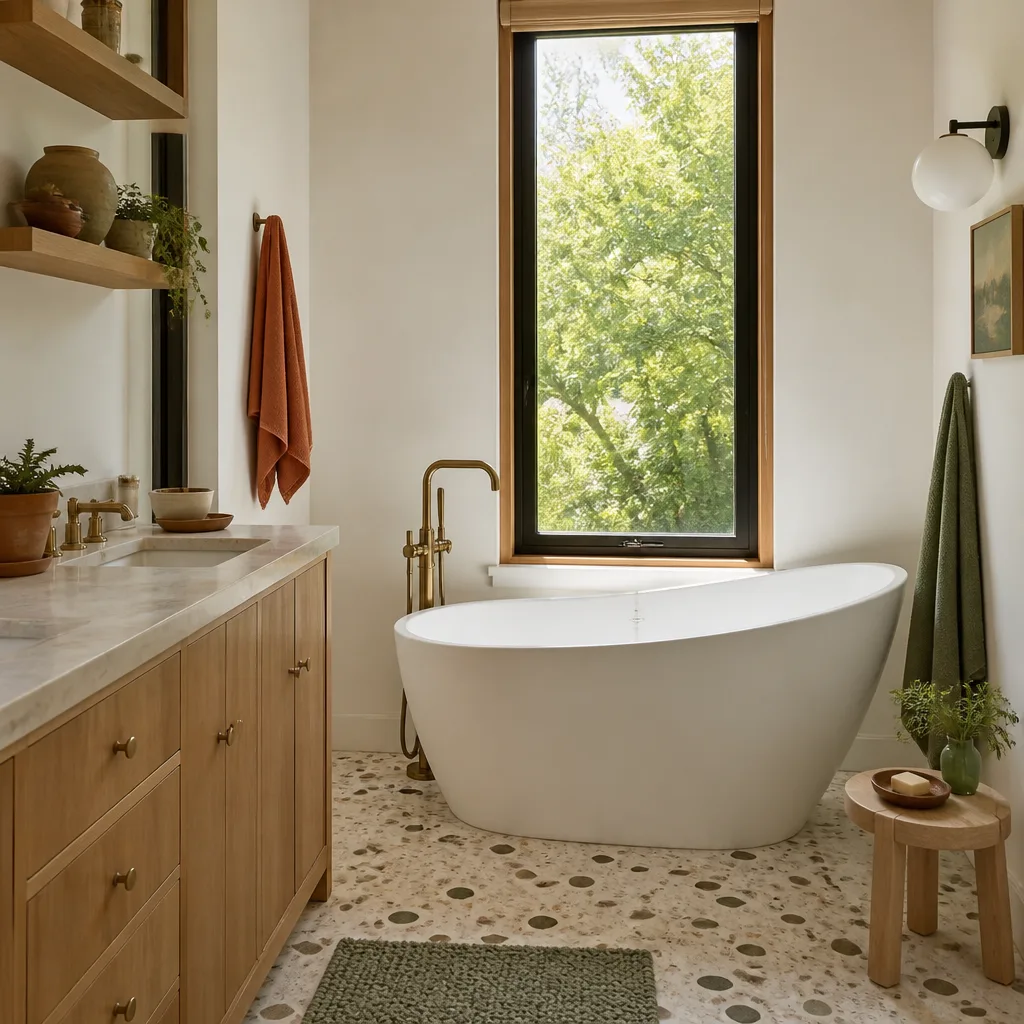
American Standard manufactures plumbing fixtures, faucets, toilets, and HVAC equipment, not driveway materials. So there is no “American Standard driveway model number” to match. That said, we hear from Pasadena homeowners who installed American Standard kitchen or bath products during a remodel and later discovered that their driveway or patio work was done by a different contractor without the same care. The driveway isn’t an American Standard product, but the expectation of quality should be, and that’s where we come in.
For Pasadena homes built between 1920 and 1960, especially in neighborhoods like Bungalow Heaven or Madison Heights, the “driveway” is often a ribbon driveway: two concrete strips with grass or gravel between them. When those need attention, matching the original concrete texture and color takes a careful hand. Newer Pasadena subdivisions built after 1990 more commonly have full concrete slabs or interlocking paver systems. The key compatibility question isn’t “which American Standard model,” but what’s underneath: sand-set pavers on a compacted base, mortar-set pavers on a concrete slab, or a poured concrete driveway with expansion joints. Each one fails differently in Pasadena’s dry summers and occasional heavy winter rains.
When we walk a Pasadena driveway, we check the edge restraints first. Those plastic or aluminum strips along the border are what keep pavers from drifting outward over time. A missing or broken edge restraint is the single most common cause of a spreading paver driveway in the San Gabriel Valley. We also check whether polymeric sand was used between the joints or plain sand. In Pasadena’s heat, plain sand washes out faster and lets weeds through; polymeric sand hardens after wetting and holds up far longer.
Styles & brands we work with
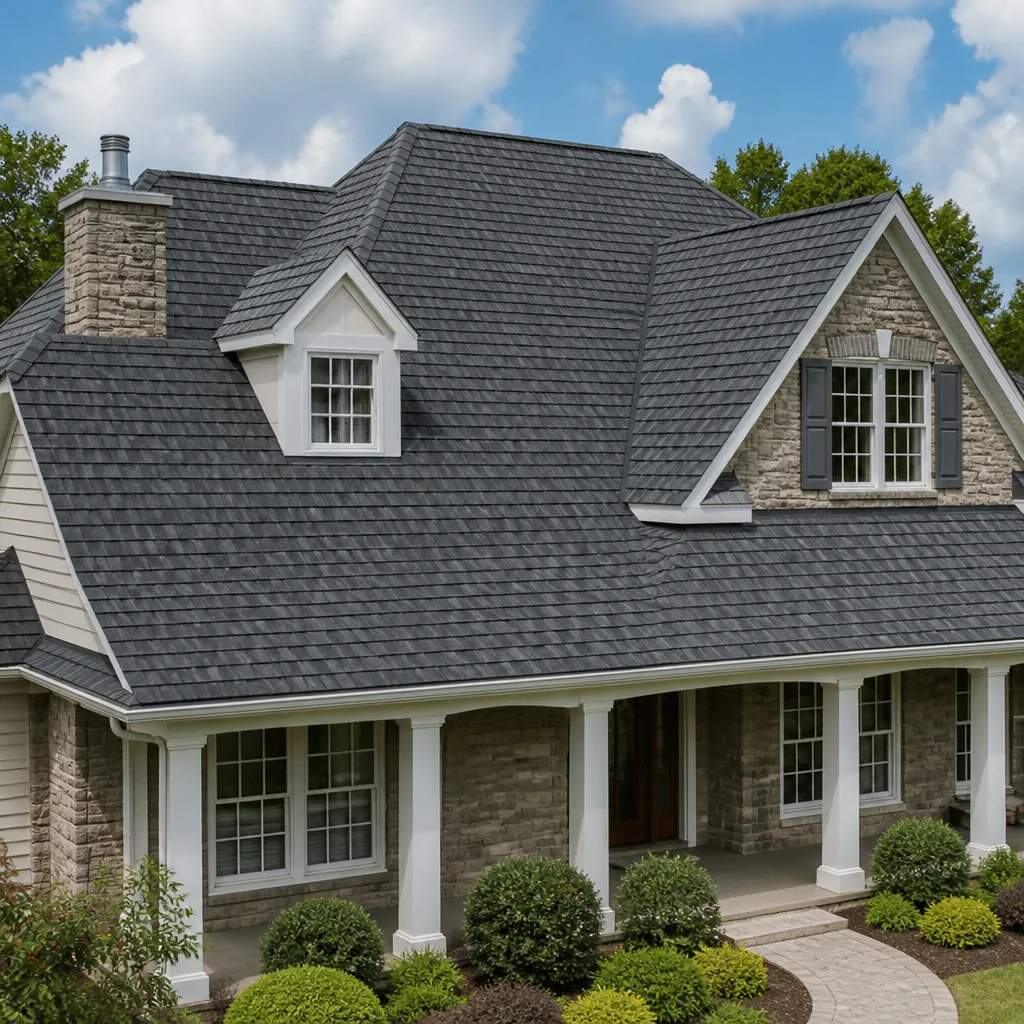
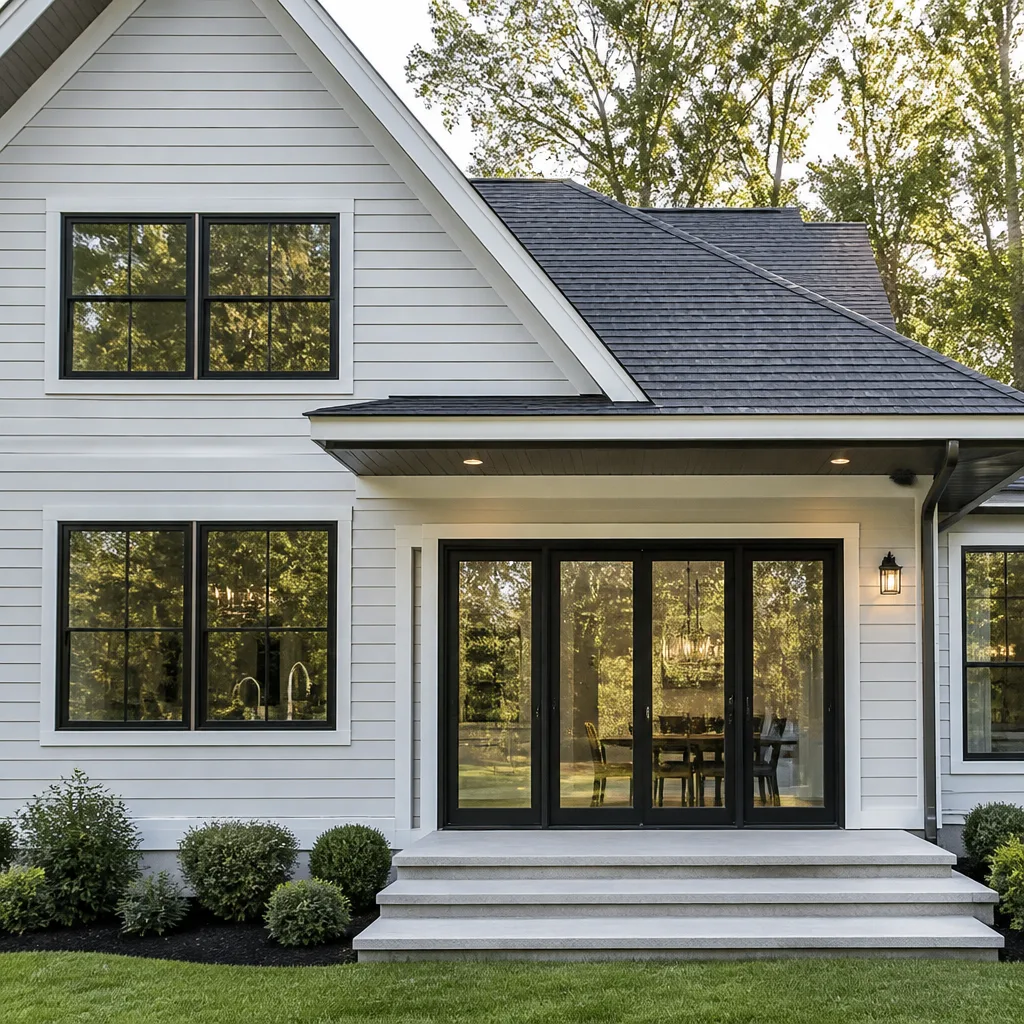
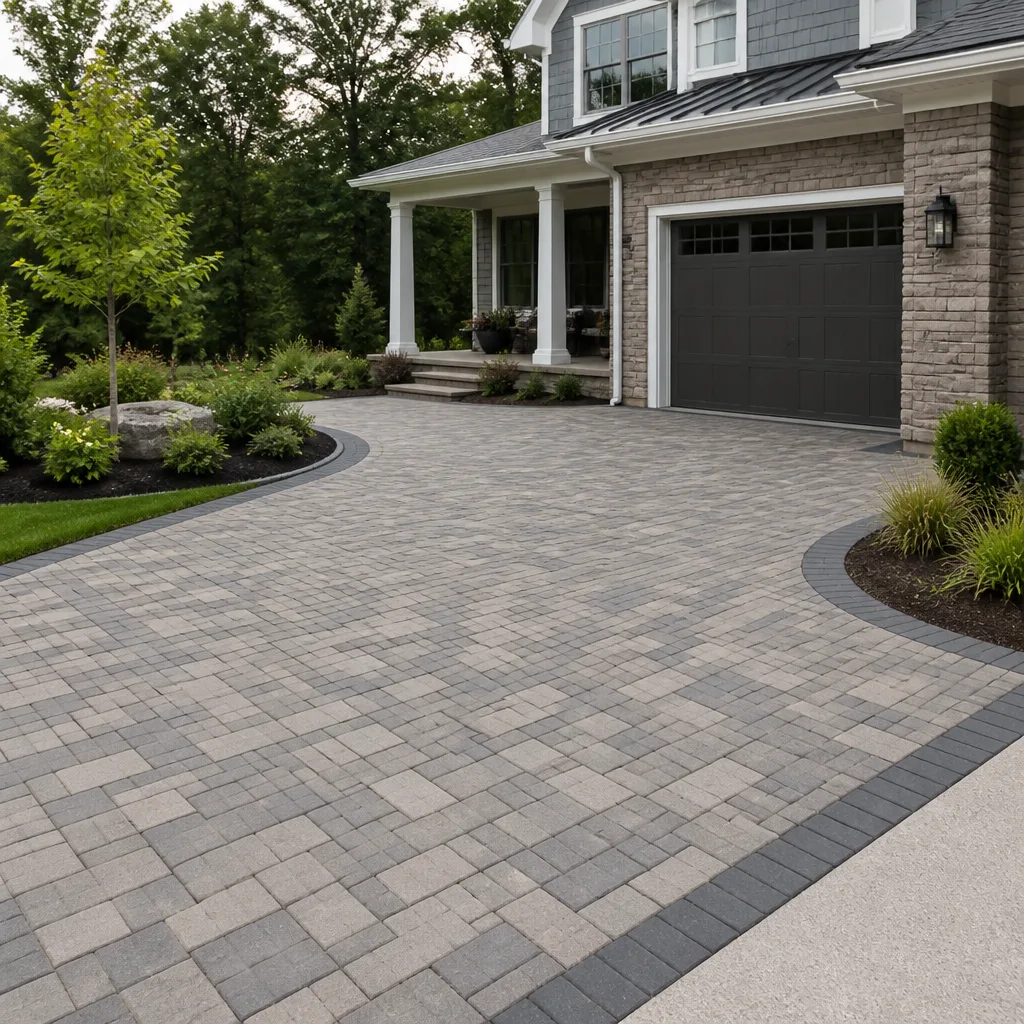
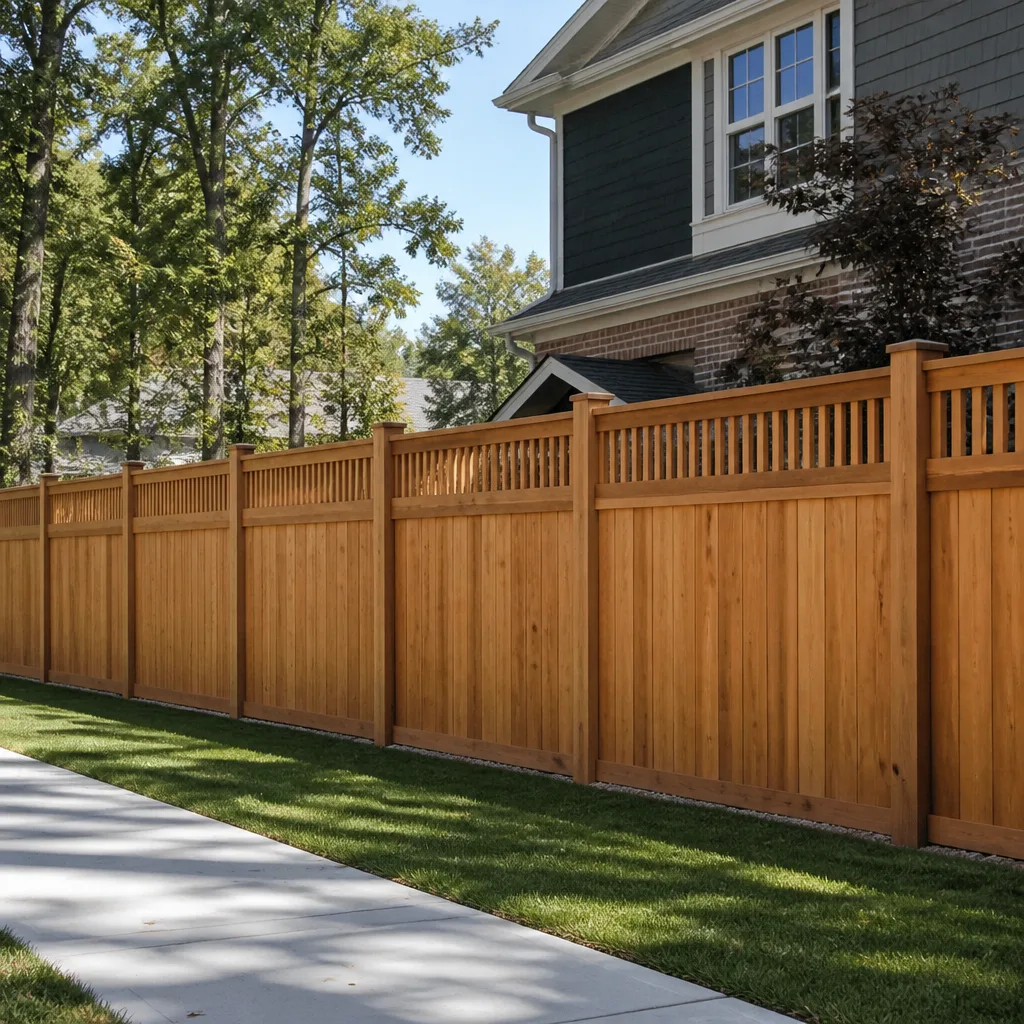
Signs Your Driveway & Pavers Are Failing
- Sinking pavers near the driveway edges. This usually means the base under the pavers is eroding or was never compacted properly. In Pasadena’s clay-heavy soil, poor drainage causes the ground to shift more than homeowners expect. We fix the drainage, re-compact, and reset the pavers so they stay put.
- Weeds pushing through the paver joints. This happens when plain sand was used instead of polymeric sand, or when the sand has washed out over multiple rain seasons. We remove the weeds, clean the joints, and re-sand with a product that hardens in place.
- Water pooling in low spots after rain. Pasadena gets roughly 20 inches of rain a year, but when it falls, it falls hard. Poor slope or a settled base creates birdbaths on driveways. The fix starts underneath: we re-grade the base so water drains toward the street or a drain channel.
- Crumbling or spalling concrete on an older driveway. Pasadena’s sun bakes concrete surfaces year-round, and older slabs that were poured with a wet mix or without proper curing take the worst of it. We can patch small areas or replace the worst sections without tearing out the whole driveway.
- Pavers shifting or moving when you drive over them. This means the base layer is failing or the edge restraint has broken free. Left alone, the problem compounds: one loose paver becomes five becomes a tripping hazard for kids and a headache for the family car.
See the difference
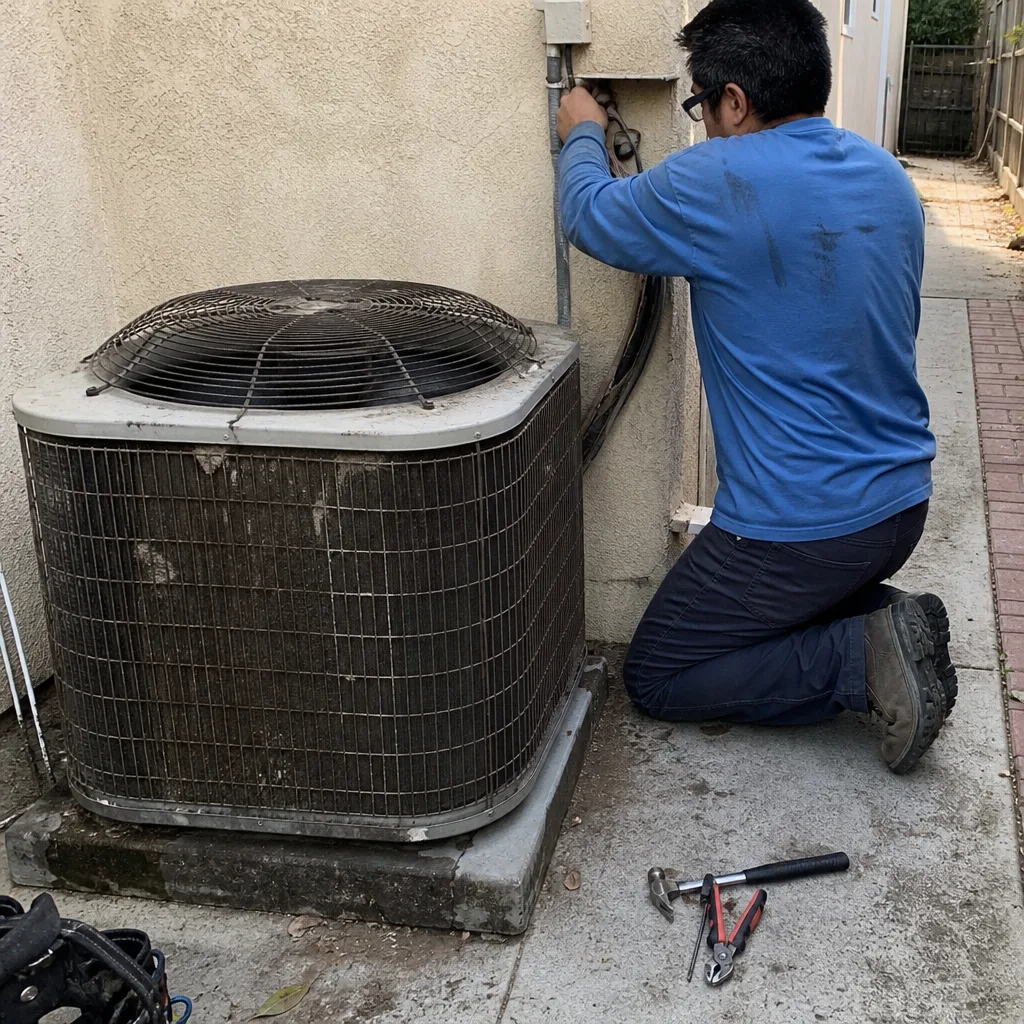 Before
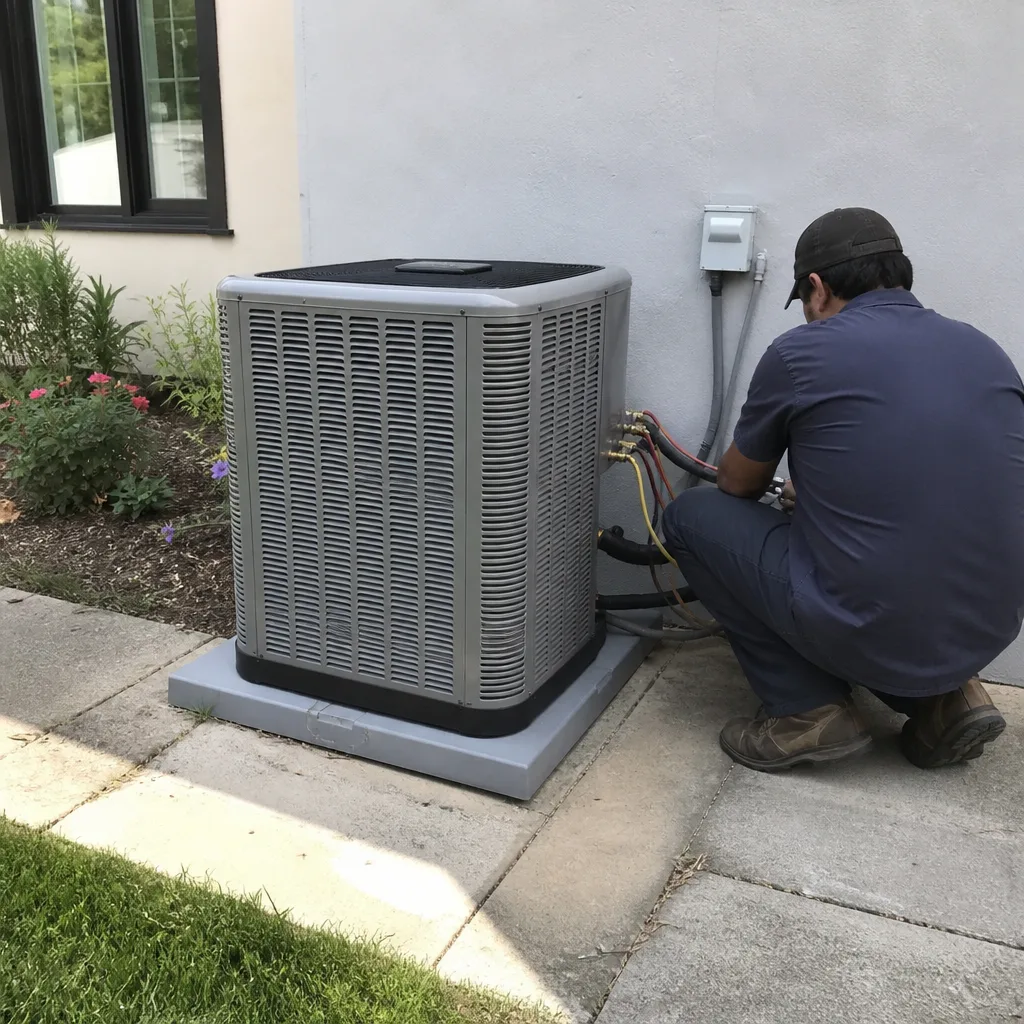 After
After Before
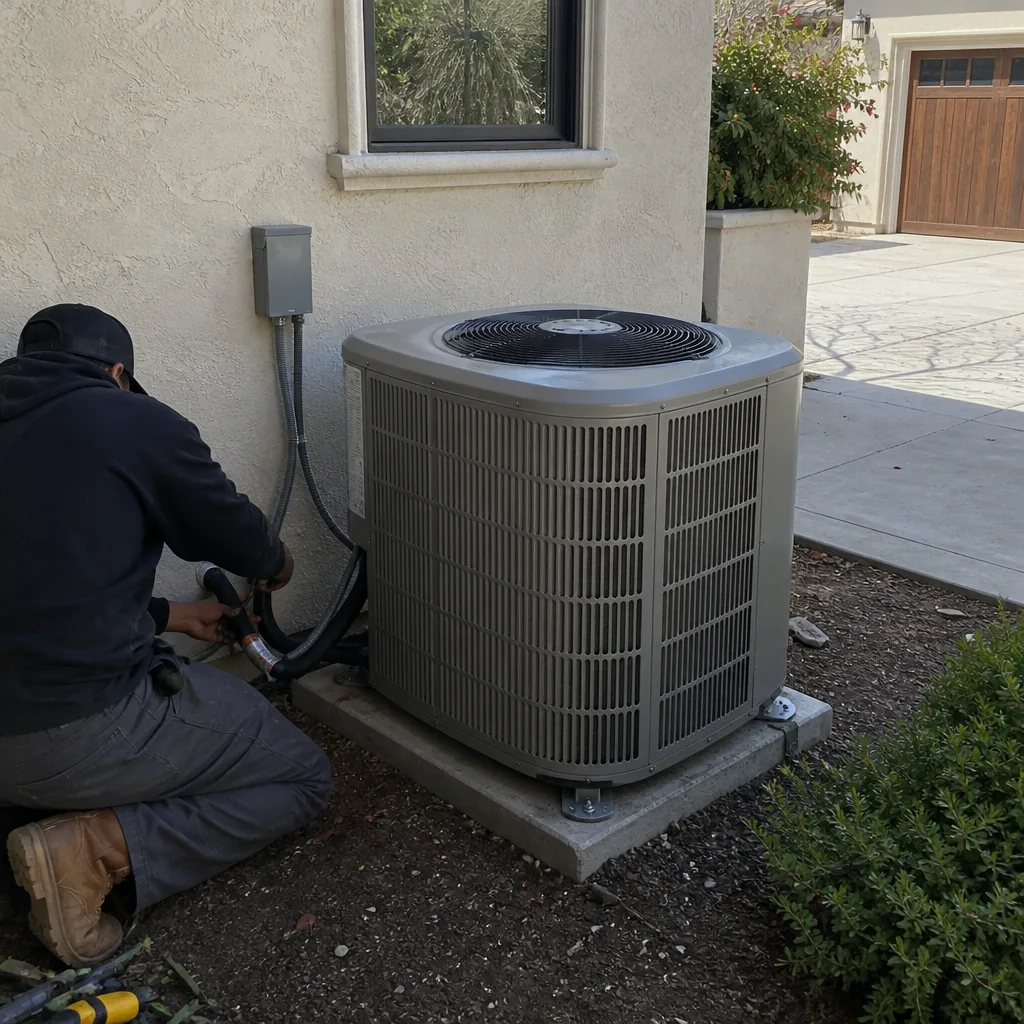 After
After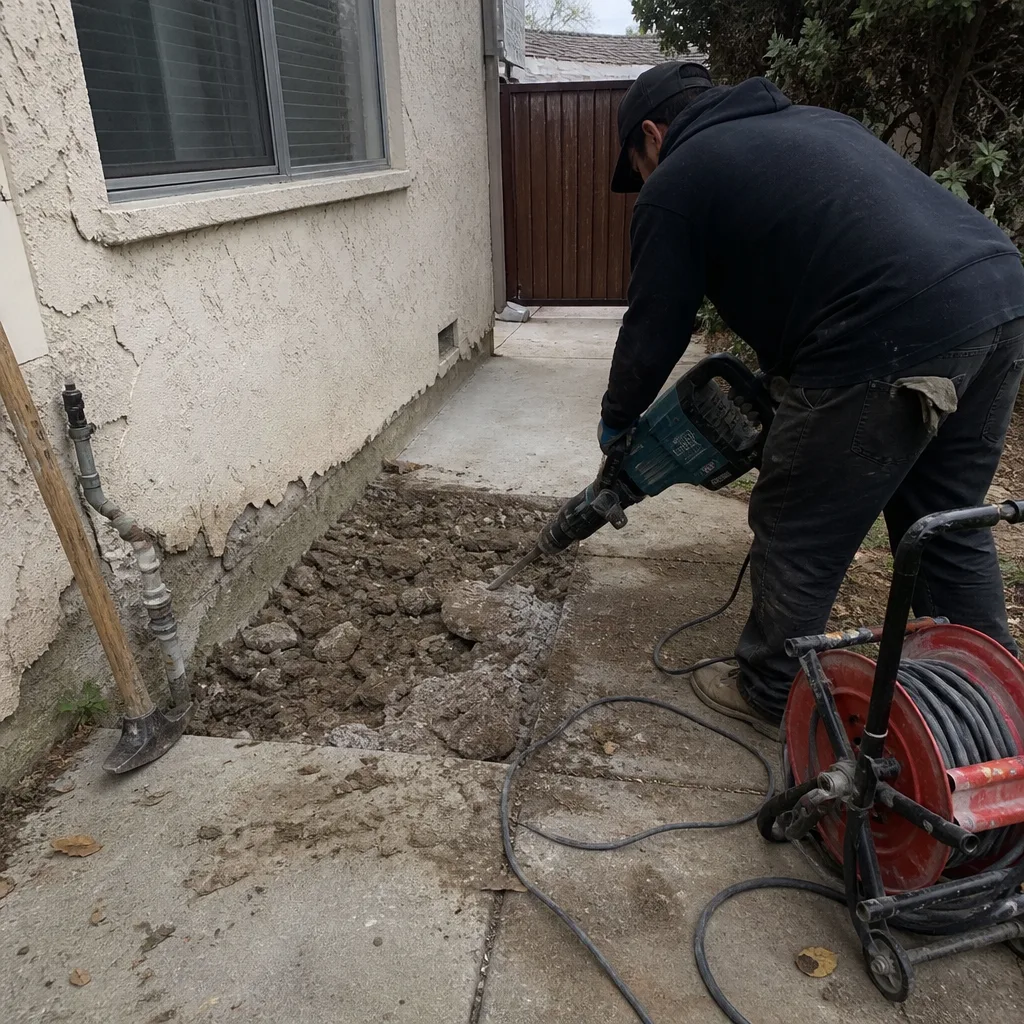 Before
 After
AfterReplacement Cost & What’s Included
For paver driveway work in Pasadena, here’s what we tell families on the phone before we ever walk the driveway:
- Paver driveway installation (full project): $7,000 to $18,000, depending on square footage, paver material, and the condition of the base.
- Concrete driveway installation (full project): $4,500 to $12,000, depending on thickness, finish, and any demolition of the existing slab.
- Paver patio installation: $3,500 to $11,000, depending on size and the complexity of the base prep.
- Driveway sealing: $250 to $700, depending on surface condition and whether crack repair is needed first.
- Spot paver repair or section replacement: $700 to $4,500, depending on how many pavers and how much base repair is involved.
Every quote includes a written, line-item price before any work starts. We don’t give a verbal number and then “discover” more once the crew shows up. The price you see on paper is the price you pay at the end, no footnotes. Our work on driveway and paver projects is covered by the 365-Day Done Right Promise: if it’s not done right after the job is complete, we make it right.
DIY or Call Us?
There are things a Pasadena homeowner can safely do with a paver driveway on a Saturday morning. You can pull a weed, sweep the joints, and hose down the surface to see where water is pooling. You can also check the edge restraints: if you see plastic or metal strips poking up or broken off, that’s a real problem worth calling about. Then we repair the base and reset the pavers with proper compaction. The homeowners who do end up saving money are often the ones who caught edge restraint failure in year two instead of year five.
The one thing we ask: don’t try to fix drainage problems by adding more sand on top. It washes into the joints, makes the problem worse, and masks the real issue. If your driveway is sloping toward your garage, call us at (626) 714-2992. We’ll walk it with you, explain what we see in plain English, and put the fix in writing before a single paver moves.
FAQs
A properly installed paver driveway in Pasadena should last 25 to 30 years on a compacted base with good drainage. The pavers themselves will outlast the base in most cases, which is why we spend more time on base preparation than on the pavers sitting on top of it. Poor drainage or bad compaction can cut that lifespan in half. Call (626) 714-2992 and we’ll check yours before you spend money on repairs.
Yes, and in most Pasadena homes we see, spot repair is the right answer. Sinking areas can be lifted, re-based, and re-set without tearing out the whole driveway. Replacement only makes sense when the base has failed across the whole surface or when the pavers themselves are cracked beyond reuse. We’ll tell you which one you’ve got, and why.
A spot repair takes one to two days, including base work and joint re-sanding. A full paver driveway replacement in Pasadena typically takes three to five working days, weather permitting. We schedule around your family’s routine: quiet tools during nap and school hours where possible, and a photo of the clean-up before the crew leaves every day.
We source the pavers, the base material, the edge restraints, and the joint sand ourselves through our local suppliers in the San Gabriel Valley. If you have a specific paver you want matched, we can usually find it or something close. We also work with named-brand materials from partners like KraftMaid, Cambria, and Silestone on interior projects, and we apply the same standard to exterior materials: get it from someone who will stand behind the product.
Written by Graham Stein, Owner, Elmstead Remodeling Pasadena at Elmstead Remodeling Pasadena, serving Pasadena and nearby areas.