Free written scope consultation - allowances, timeline, and change-order rules on paper before a single trade is scheduled
James Hardie Kitchen Remodeling: The Pasadena Owner’s Guide
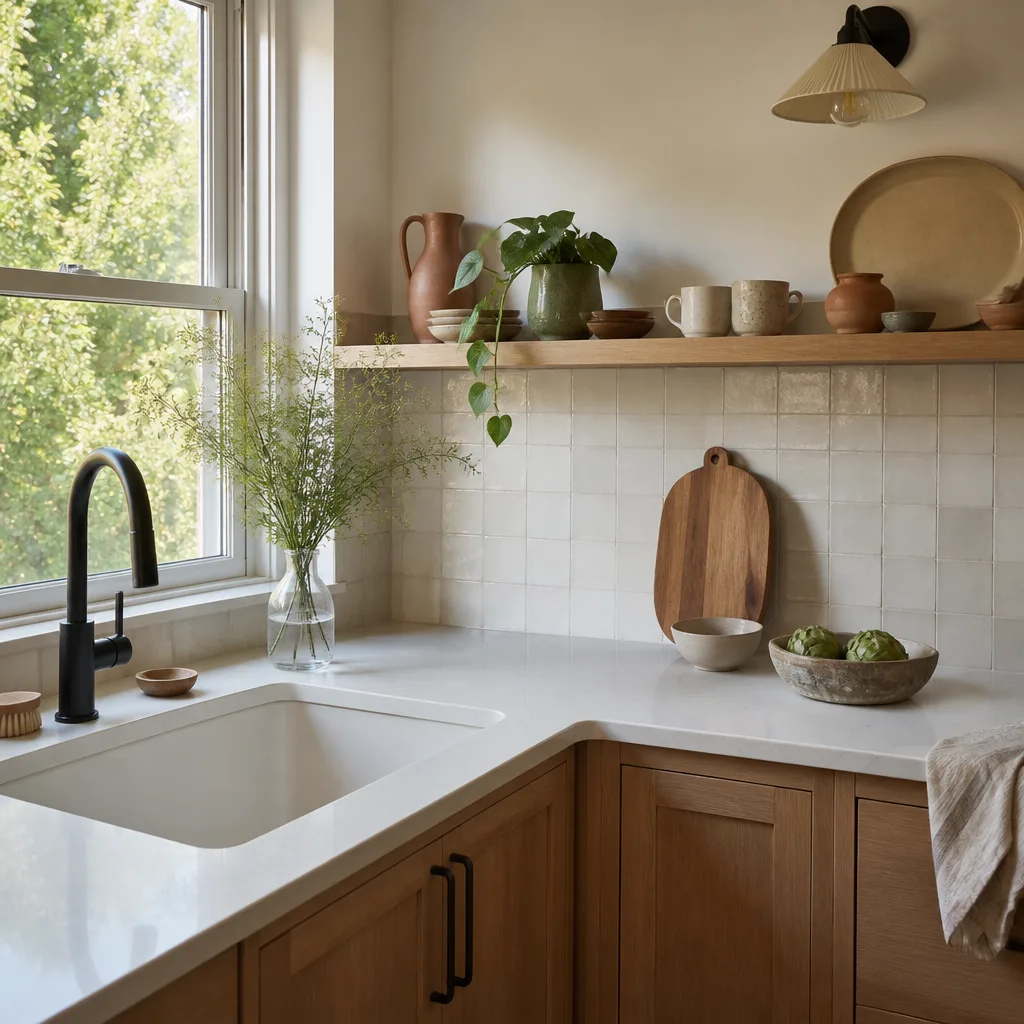
James Hardie kitchen remodeling in Pasadena typically runs $14,000 to $45,000 installed, depending on the scope of cabinets, countertops, and the HardieBacker substrate work behind your tile. We stock James Hardie cement board and HardieBacker in the sizes most Pasadena kitchens need, and most material callbacks are resolved within one to two business days through our local suppliers. What brings Pasadena homeowners to this page is usually a specific failure: cracked tile over a flexing subfloor, water damage creeping behind a backsplash, or a contractor who installed drywall where HardieBacker should have gone in the first place. You notice it because grout starts crumbling, or a corner of the counter feels soft, or you see staining where the wall meets the cabinet line. That’s when the question stops being “what style do I want” and becomes “what is actually behind my tile right now, and is it doing its job.”
Written by Graham Stein, Owner, Elmstead Remodeling Pasadena at Elmstead Remodeling Pasadena, serving Pasadena and nearby areas.
Which James Hardie Models This Applies To
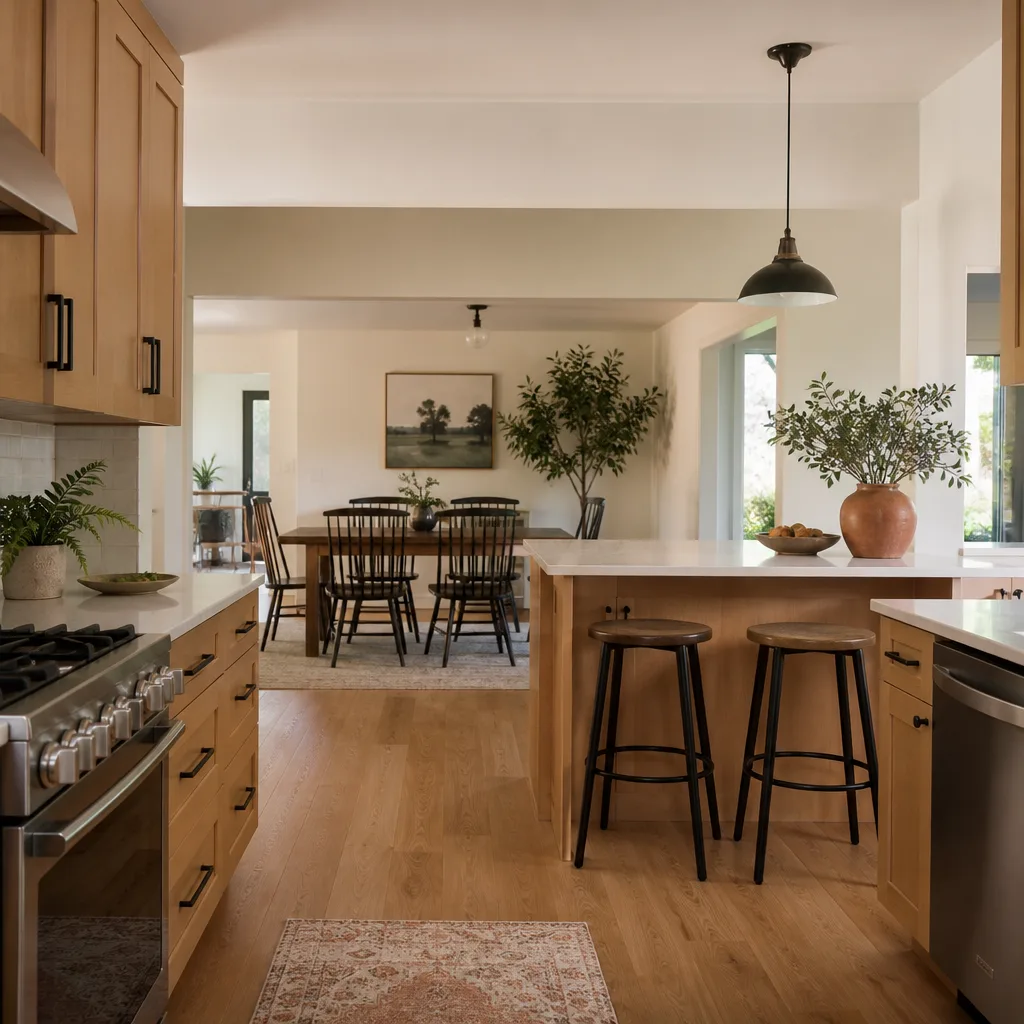
In a kitchen, the James Hardie product that matters most is HardieBacker cement board, specifically the half-inch board for countertops and the quarter-inch board for walls and backsplashes. HardieBacker 500 is the half-inch sheet you’ll see specified for countertop substrate under tile or stone; HardieBacker 400 is the quarter-inch sheet most Pasadena crews use behind backsplash tile and under floors where height clearance is tight. Both come in 3×5 sheets, which is the detail that trips up homeowners buying their own material: a full sheet is 3 feet by 5 feet, not 4×8 like drywall, so ordering by “sheet count” without confirming dimensions leads to short orders about half the time.
James Hardie doesn’t make cabinets or countertops themselves. What they make is the board your tile and stone sit on, and the specification matters because HardieBacker is cementitious, meaning it doesn’t swell, rot, or soften when wet the way gypsum-based boards do. That’s the compatibility gotcha we see most often in Pasadena kitchens from the 1990s and 2000s: somebody installed a gypsum tile backer behind the sink, and the first slow leak turned it to mush inside the wall. If you’re opening a wall anyway, this is the moment to verify what’s back there. The label is printed on the board face; if you can see a seam or an exposed edge inside a cabinet, look for the HardieBacker stamp. No stamp, and you’re probably looking at drywall or a generic cement board with different water-resistance properties.
On the OEM-versus-aftermarket question: for HardieBacker specifically, we install the James Hardie board itself. It’s not a place to save money with an off-brand equivalent. The difference in material cost on an entire kitchen is maybe $200, and the James Hardie board carries a manufacturer warranty that travels with the product. The same logic applies to the tile-setting materials: we pair HardieBacker with Schluter waterproofing membranes at seams and corners, and we use a polymer-modified thin-set rated for cement board. Those two choices together are what keep a Pasadena backsplash dry for 20 years instead of five.
Styles & brands we work with
Signs Your James Hardie Kitchen Remodeling Is Failing
- Crumbling or cracking grout lines along the backsplash. This usually means the substrate behind the tile is flexing, not that the grout itself failed. Drywall flexes; HardieBacker doesn’t. If the grout keeps cracking in the same line, the board behind it is the likely culprit.
- A soft spot or visible sag in the countertop near the sink or dishwasher. Water has been getting under the tile and breaking down whatever board is beneath it. With HardieBacker, this doesn’t happen; with gypsum board, it happens slowly and then all at once.
- Staining or bubbling paint where the backsplash meets the counter. That’s moisture wicking up from underneath. In a Pasadena kitchen, the culprit is usually a failed caulk joint at the counter-to-backsplash seam, and by the time you see the stain, the board behind it has been wet for months.
- Tiles that sound hollow when you tap them. A properly bonded tile on cement board has a solid, dead sound. A hollow ring means the thin-set has debonded from the substrate, which is either a preparation problem at install or moisture pushing the bond apart over time.
- Countertop seams opening up or a sudden crack across a tile run. Pasadena sits in earthquake country, and our older homes settle and shift. HardieBacker handles that movement far better than a softer board, but if the original install skipped the expansion joints at the wall lines, even good board will transfer that stress into the tile.
See the difference
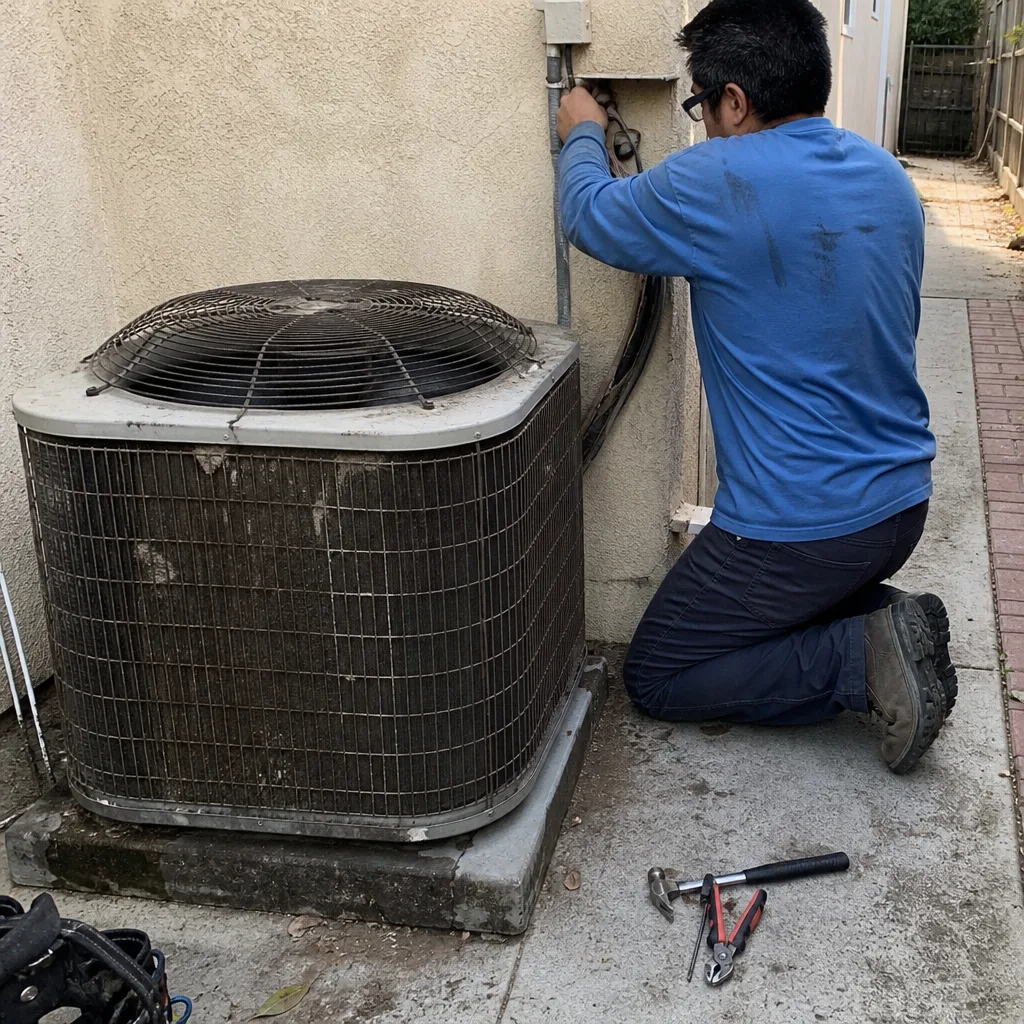 Before
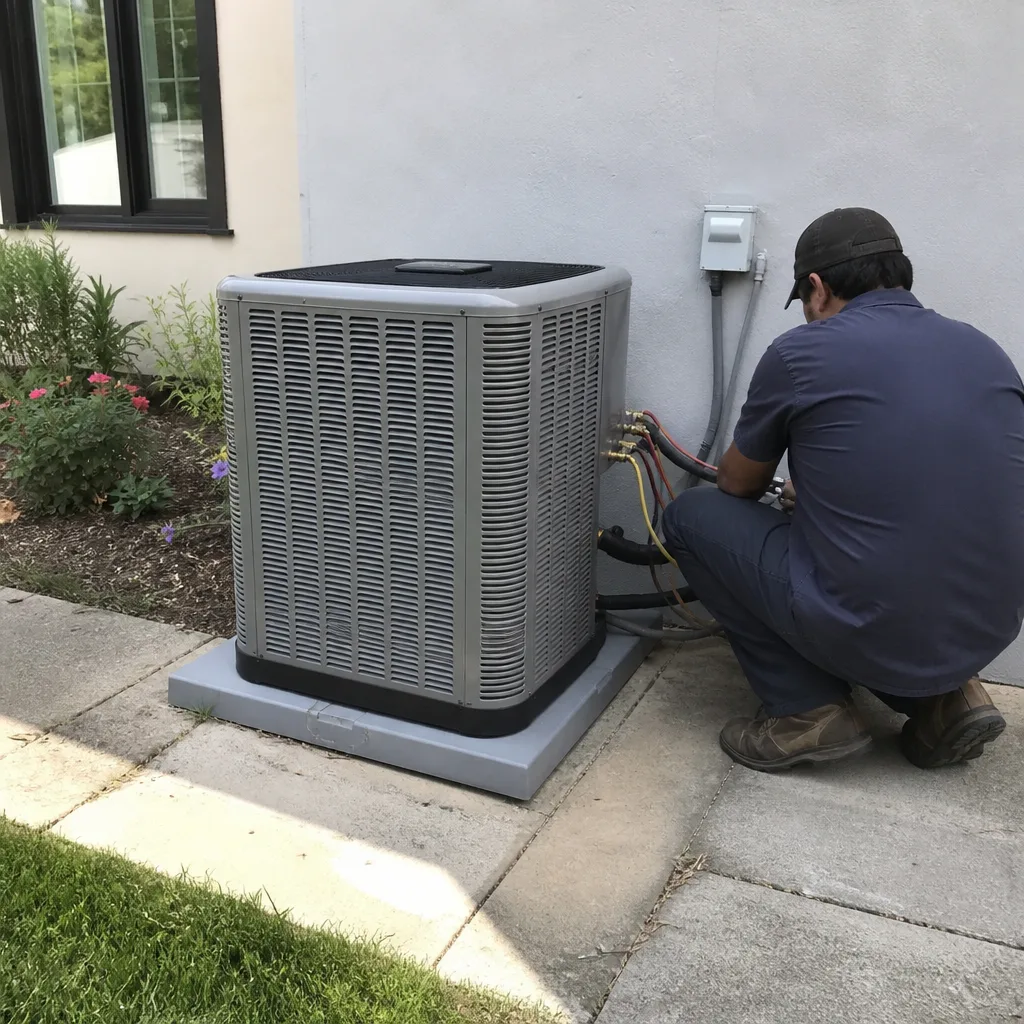 After
After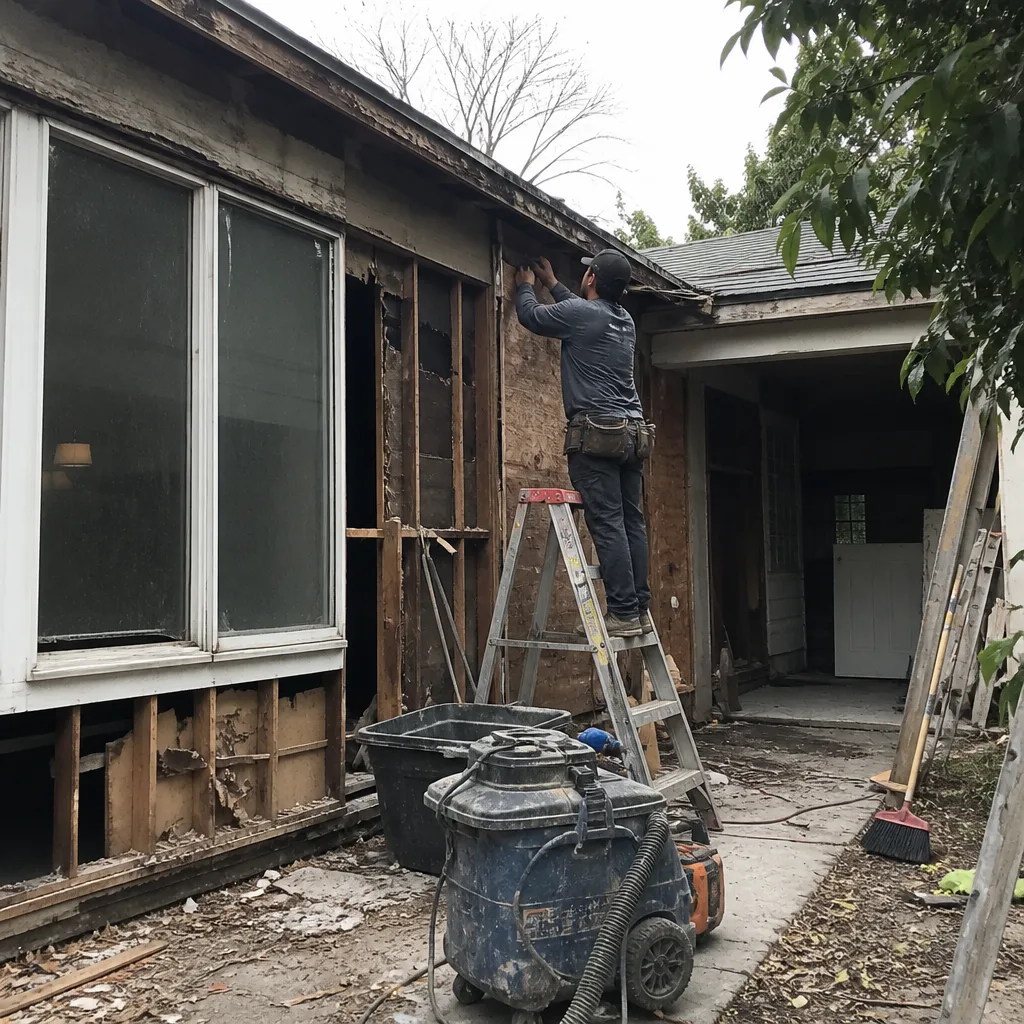 Before
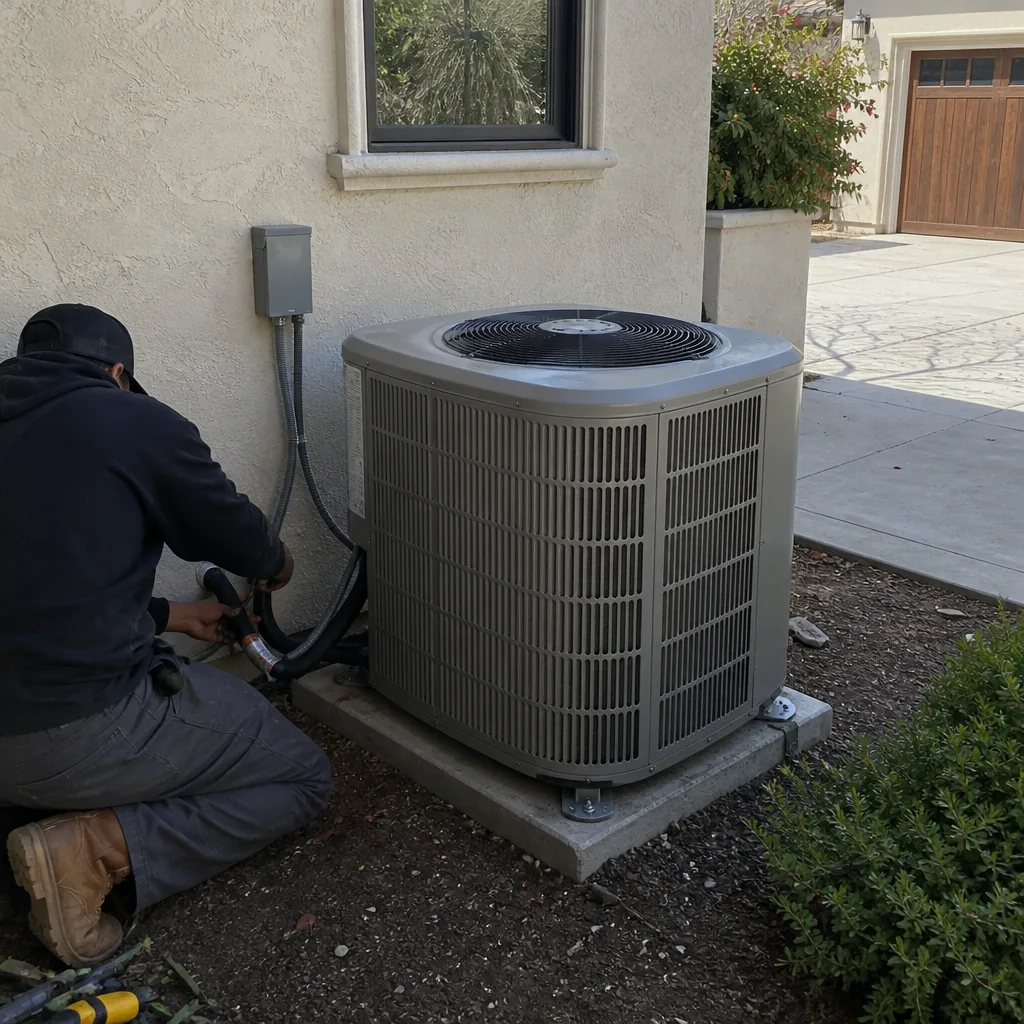 After
After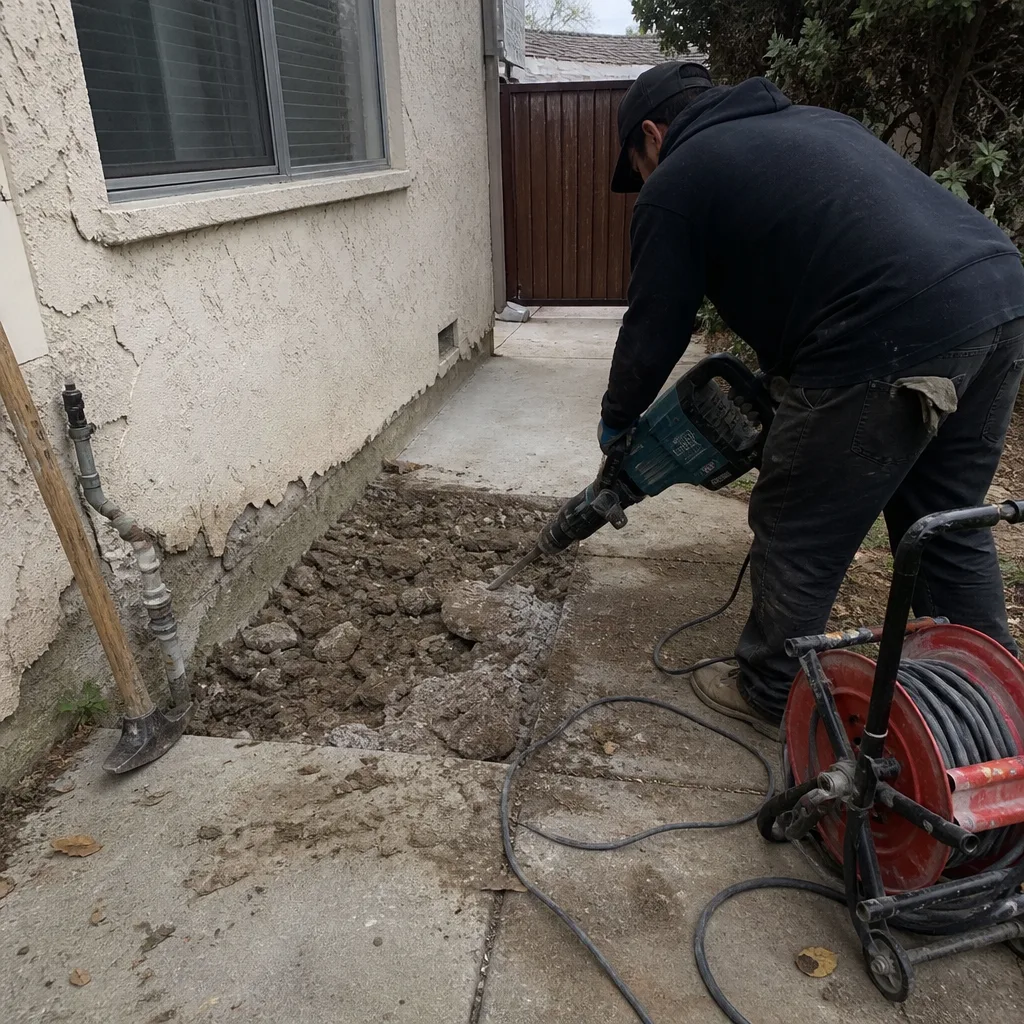 Before
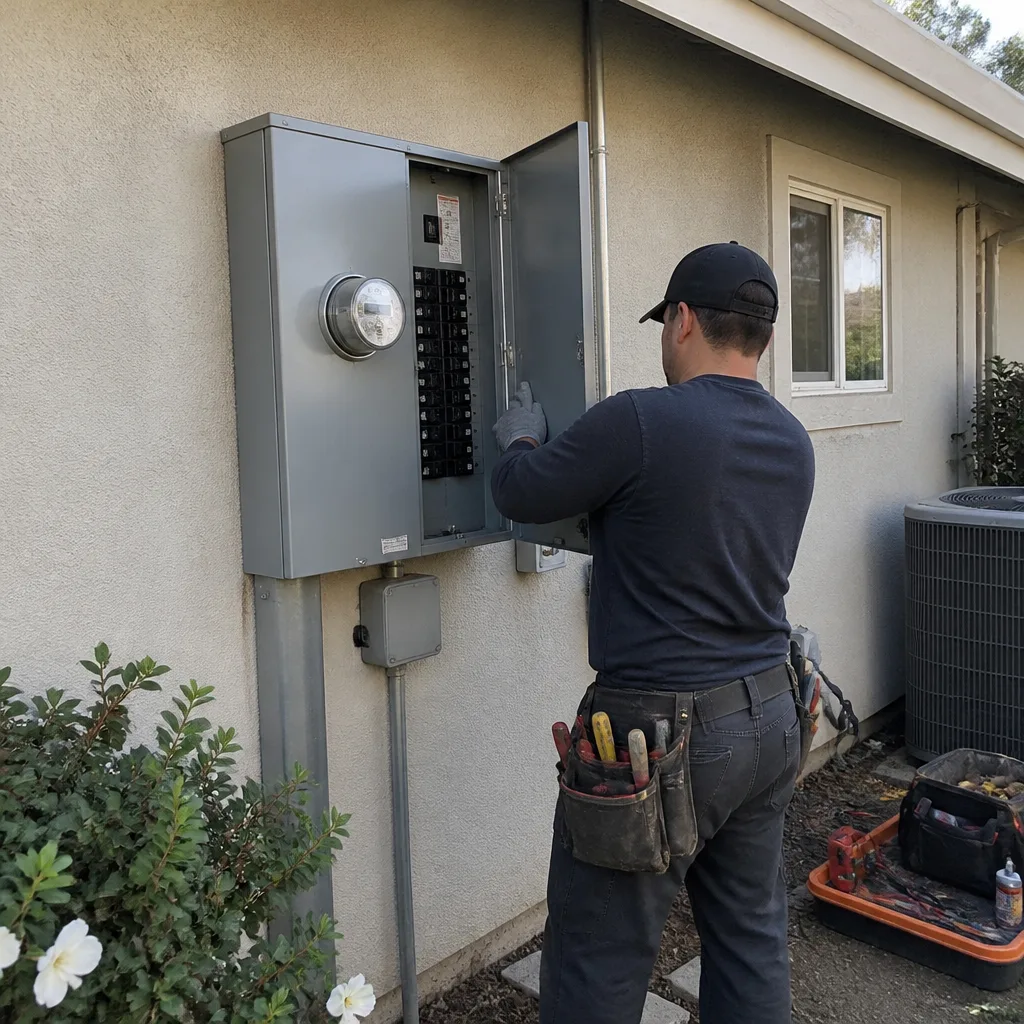 After
AfterReplacement Cost & What’s Included
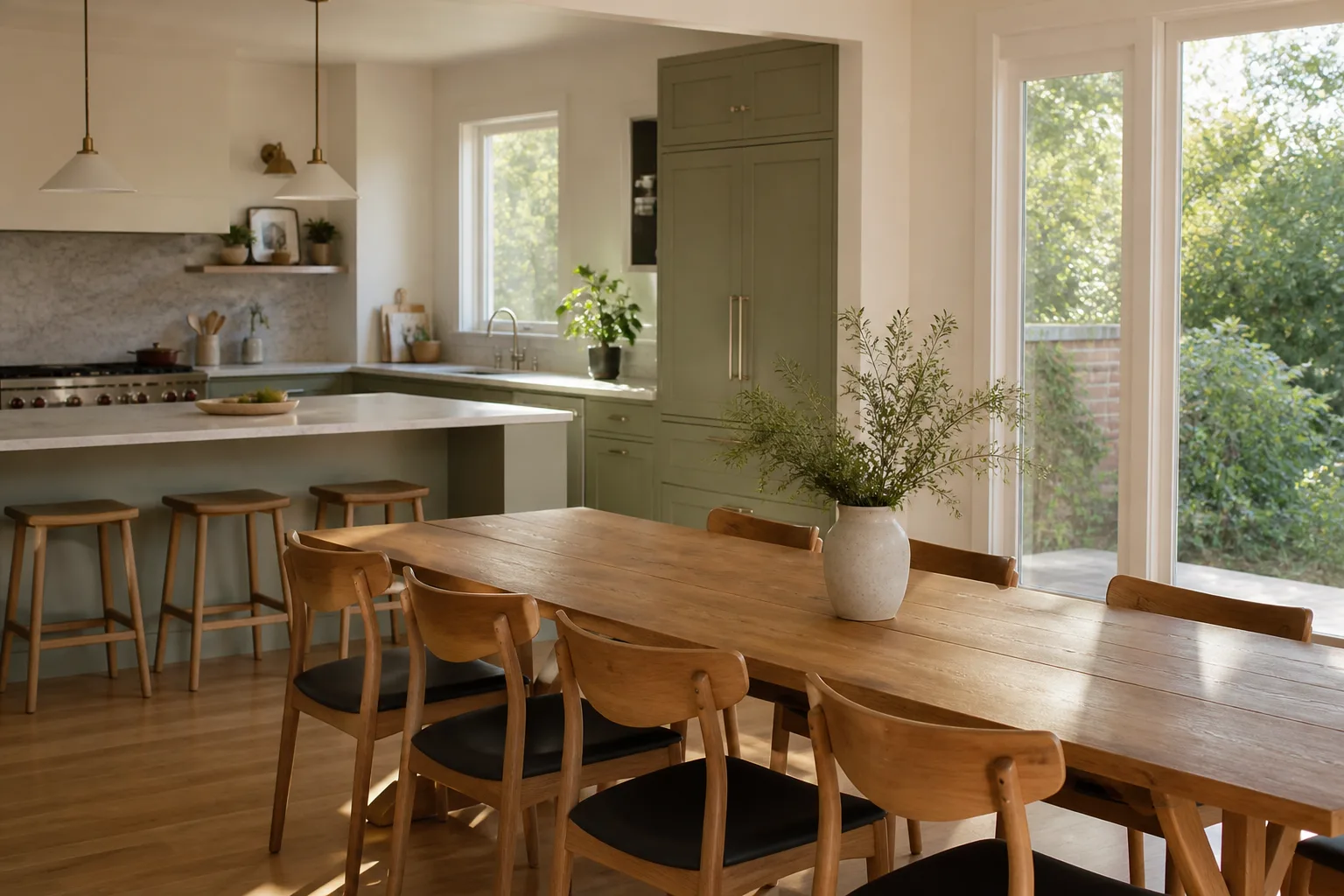
A full James Hardie-spec kitchen remodel in Pasadena runs $14,000 to $45,000, with the range driven mostly by cabinet choice, countertop material, and how much of the underlying substrate needs to be replaced. The smaller number reflects a kitchen where the cabinet layout stays put, the counters are a mid-range Cambria or Silestone, and we’re replacing backsplash board and tile without structural surprises. The higher number is a kitchen where we’re pulling everything to the studs, replacing floor substrate, moving a sink line, and installing custom or semi-custom cabinets from KraftMaid or Wellborn.
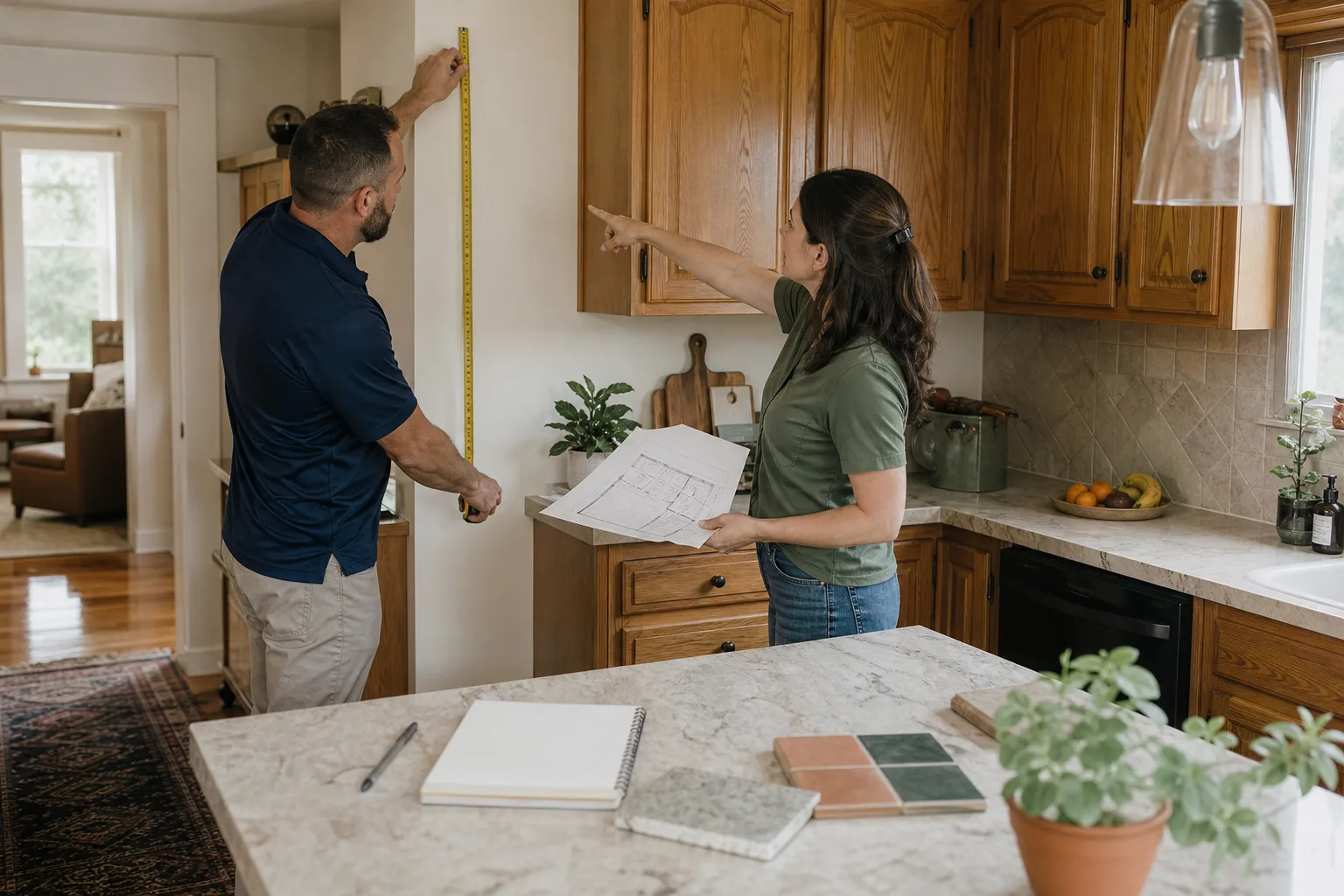
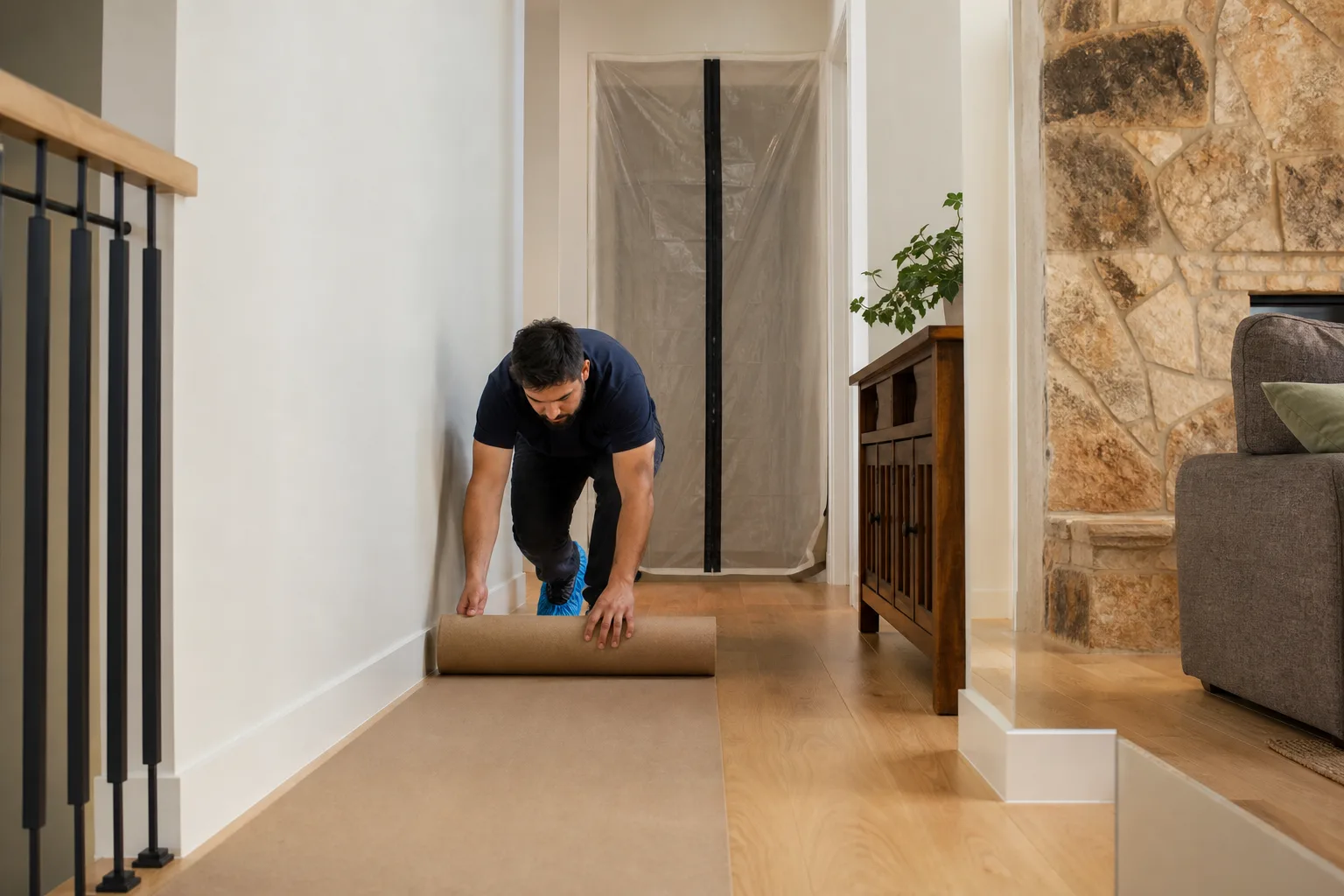
If the job is just the substrate repair and retile, without cabinet or counter work, you’re looking at a smaller scope: backsplash board replacement with tile typically lands between $800 and $2,500 in Pasadena depending on tile choice and square footage. Countertop substrate repair plus new stone runs $2,000 to $6,500. Every one of these numbers comes to you as a written, line-item price before any work begins. That’s the Elmstead way, and it’s what Graham Stein has done since day one: the price you see on paper is the price you pay at the end, no footnotes. No change orders because a crew “discovered” something we should have caught on the walkthrough. The written price includes the HardieBacker, the Schluter membrane, the thin-set, the labor, the shoe covers, the drop cloths, and the photo of the clean-up before the crew leaves.
DIY or Call Us?
Here’s the honest split. You can safely check what’s behind your tile by removing a single electrical outlet cover near the backsplash and looking at the exposed board edge. If you see dark gray board with the HardieBacker label, you’re in good shape and the failure is likely a caulk or grout issue. If you see white gypsum or brown paper facing, that’s information worth having before you call anyone.
What we don’t recommend is the DIY removal of failed tile and board. Cement board is heavy, the dust is silica-heavy and genuinely not something you want in a house with kids or pets, and cutting it square around outlets and cabinet lines takes a steady hand and the right tool. A bad drywall patch in a hallway is fixable; a bad cement board seam behind a tile backsplash is a leak waiting to happen. If you want to open the wall yourself and call us to fix what you find, we’re glad to work that way. But for most Pasadena families, the math favors one phone call: (626) 714-2992. We’ll come out, open the wall carefully, show you exactly what’s there, and put the written price in front of you before a single drop cloth goes down.
FAQs
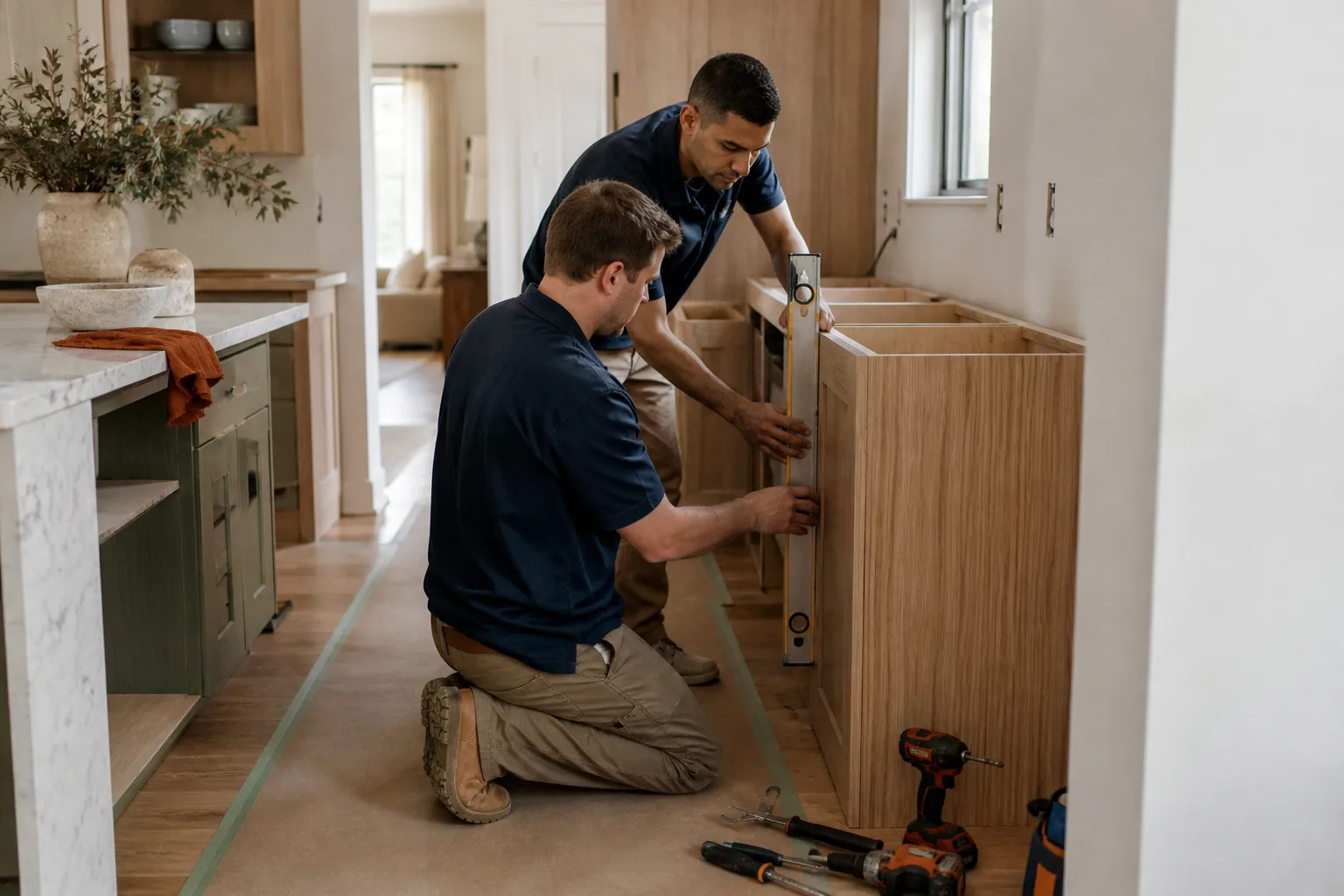
HardieBacker itself does not have a meaningful failure age when installed correctly; the manufacturer rates it for the life of the tile installation, and in Pasadena’s dry climate we routinely open walls where 20-year-old board is still sound. Call (626) 714-2992 if you want us to check whether your existing board is still doing its job. Estimates are free.
Generally no once the board is compromised, because the tile has to come off in the affected area to reach it, and matching discontinued tile is rarely practical. We can repair small sections where the damage is contained and the tile is still available; call (626) 714-2992 and we’ll tell you honestly which side of that line your kitchen falls on.
A full kitchen remodel in Pasadena typically runs four to eight weeks depending on scope; a substrate repair and retile of a backsplash is usually two to three days. The schedule respects your family’s quiet hours, and we plan around school pickup and nap windows. Call (626) 714-2992 for a written timeline specific to your kitchen.
We keep half-inch HardieBacker 500 and quarter-inch HardieBacker 400 on hand for the kitchens we’re actively remodeling in Pasadena, and our local supplier delivers additional board same-day or next-day. We also work directly with KraftMaid, Wellborn, Cambria, Silestone, and Schluter for the parts that go on top of that board. Call (626) 714-2992 to confirm what’s in stock for your project.
Elmstead Remodeling Pasadena is an independent service provider and is not affiliated with James Hardie. James Hardie, HardieBacker, and related product names are trademarks of James Hardie Technology Ltd.
If your Pasadena kitchen has failed tile, cracked grout, or water damage you can see from across the room, don’t guess at what’s behind the wall. Call (626) 714-2992 and schedule a free estimate. We’ll come to your home, show you exactly what we find, and hand you a written price before any work starts. You’ll know the board, the brand, the sequence, and the final number, all on paper, before you decide anything.
Written by Graham Stein, Owner, Elmstead Remodeling Pasadena at Elmstead Remodeling Pasadena, serving Pasadena and nearby areas.