


Free written scope consultation - allowances, timeline, and change-order rules on paper before a single trade is scheduled
Quikrete Windows & Doors: The Pasadena Owner’s Guide
Quikrete doesn’t manufacture windows or doors. What Pasadena homeowners actually run into is a Quikrete product used around the window or door opening: anchoring grout, mortar bed, concrete patch, or hydraulic cement that has cracked, crumbled, or pulled away from the frame. In Pasadena, we repair and reinforce those openings on window and door replacement projects at $4,500 – $15,000 installed depending on scope, frame count, and the condition of the rough opening. The most common discovery is this: a homeowner pries off a loose interior trim piece and finds the Quikrete fill behind it has turned to sandy crumbs. That is not a trim problem. That is an opening that has been slowly losing its structural seat for years.
Which Quikrete Products This Applies To
The three we run into most often in Pasadena homes are Quikrete FastSet Anchoring Cement around window bucks and door thresholds, Quikrete Mortar Mix under patio door sills, and Quikrete Hydraulic Water-Stop Cement packed into gaps where a window frame meets stucco. The compatibility gotcha is this: anchoring cement is not interchangeable with mortar mix. Anchoring cement expands as it sets and is designed to lock a frame or bolt in place. Mortar mix shrinks slightly and is meant for beds and joints. If anchoring cement was used as a mortar bed, the lift is uneven and the window flange sits crooked, which is exactly the kind of repair we see in older Pasadena bungalows. You can identify what was used by the color after it has cured: anchoring cement stays a pale gray, mortar mix darkens, and hydraulic cement often has a slightly blue cast. Check the bag remnants in the garage if they are still there. People keep the bags more often than you would think.
Styles & brands we work with

Signs Your Quikrete Fill Around a Window or Door Is Failing
- Cracks radiating from the frame corners at 45 degrees. This is the opening moving under the weight of the wall above it. The Quikrete fill has stopped transferring load, and the stucco or drywall is taking stress it was never meant to hold.
- A gap you can feel between the window frame and the wall finish. Run a finger along the interior edge. If the caulk line has split and the frame flexes when you press, the bedding underneath has loosened. The window is floating, not anchored.
- Water staining below the window or door even when rain did not blow directly at it. The Quikrete fill around the rough opening was supposed to be the last line of defense. Once it crumbles, water finds the path under the sill and shows up as a slow brown bloom on the wall below.
- A door that binds at the top latch but clears the floor. The threshold bed has settled, which tilts the entire jamb. You can plane the door, but the settlement continues. The bed, not the door, is the problem.
- Sandy debris falling out when you remove old trim or baseboard. That grit used to be solid Quikrete. It has lost its bond to the wood buck or masonry opening. If you can vacuum it out, the window is essentially held in place by the exterior trim and caulk alone.
See the difference
 Before
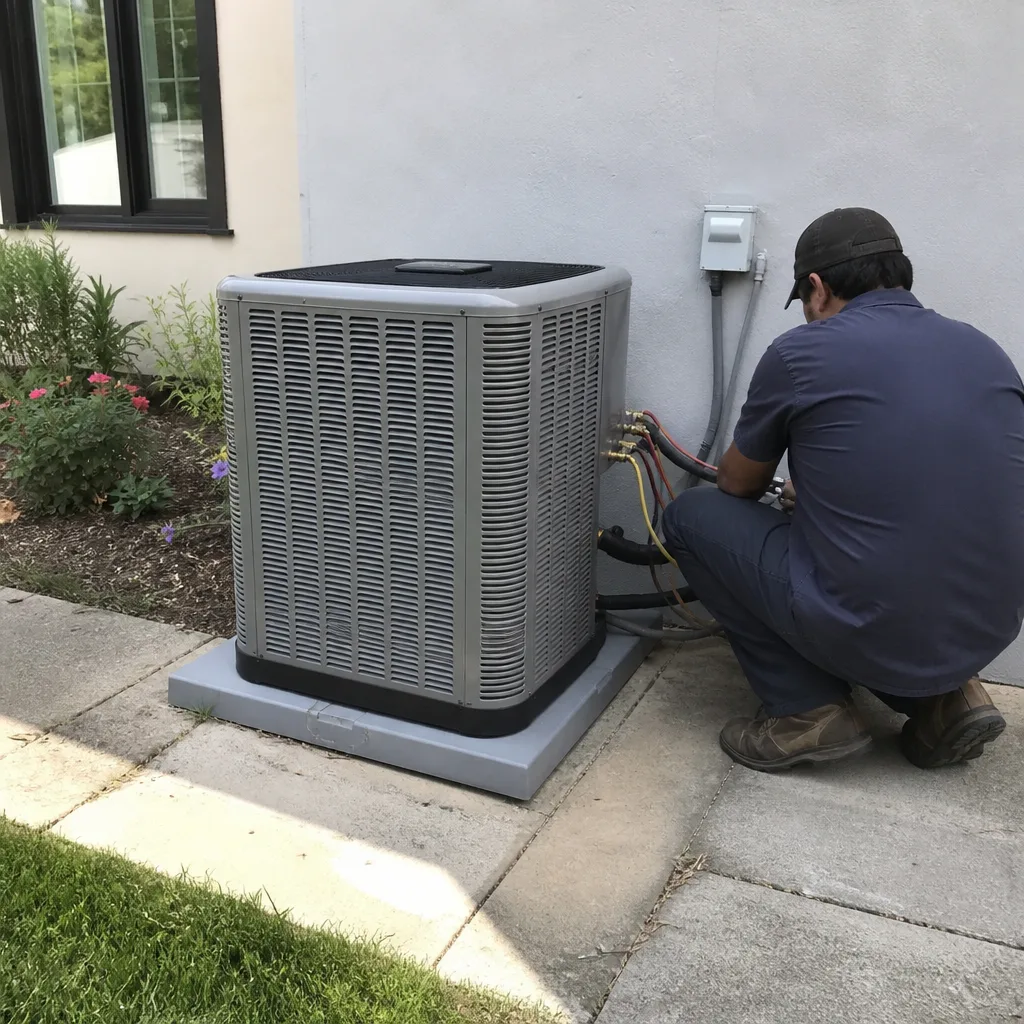 After
After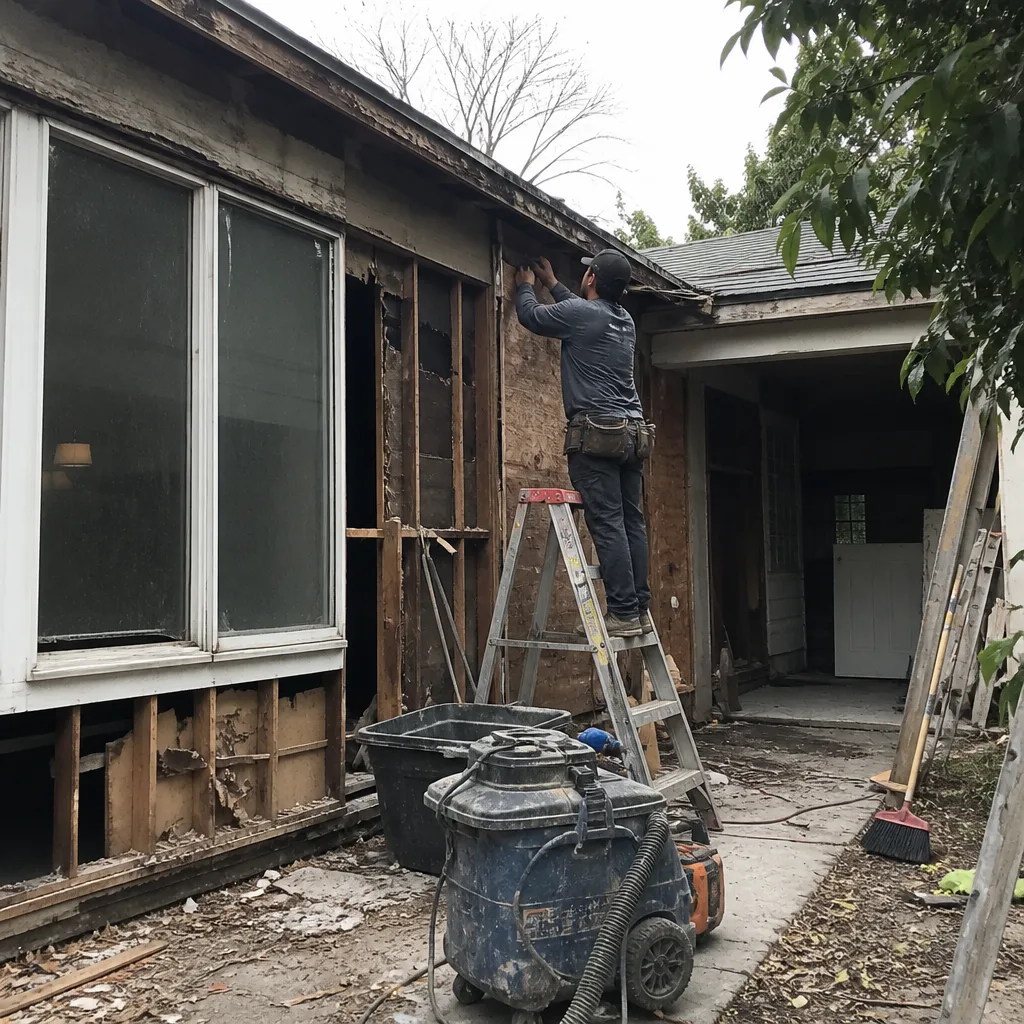 Before
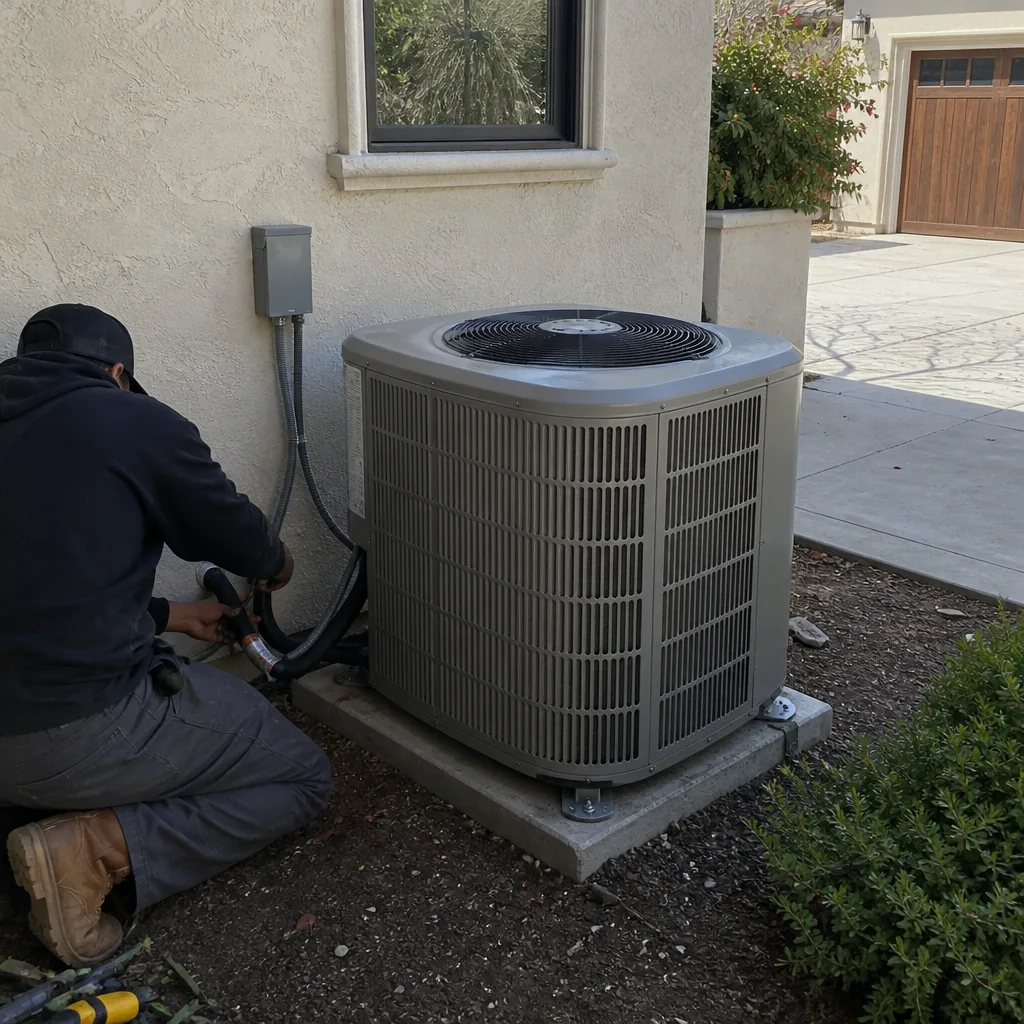 After
After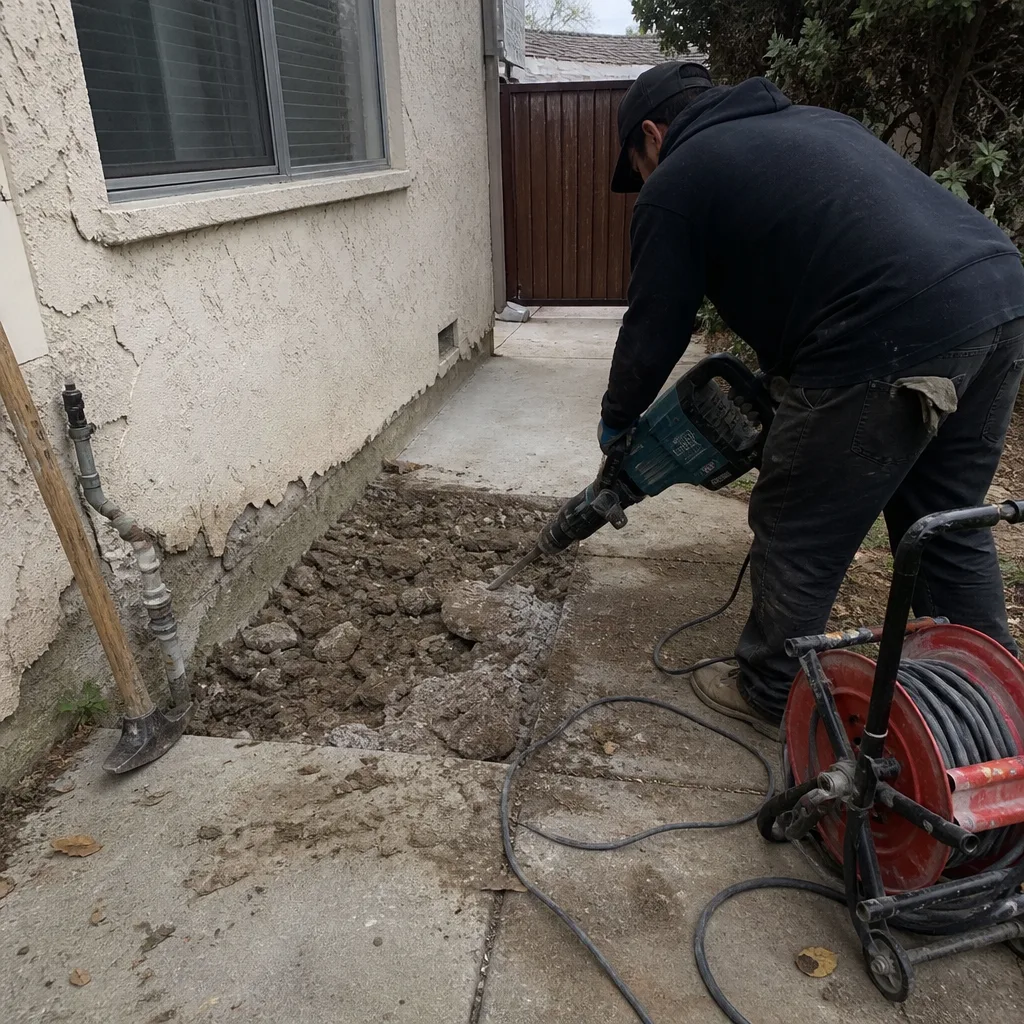 Before
 After
AfterReplacement Cost & What’s Included
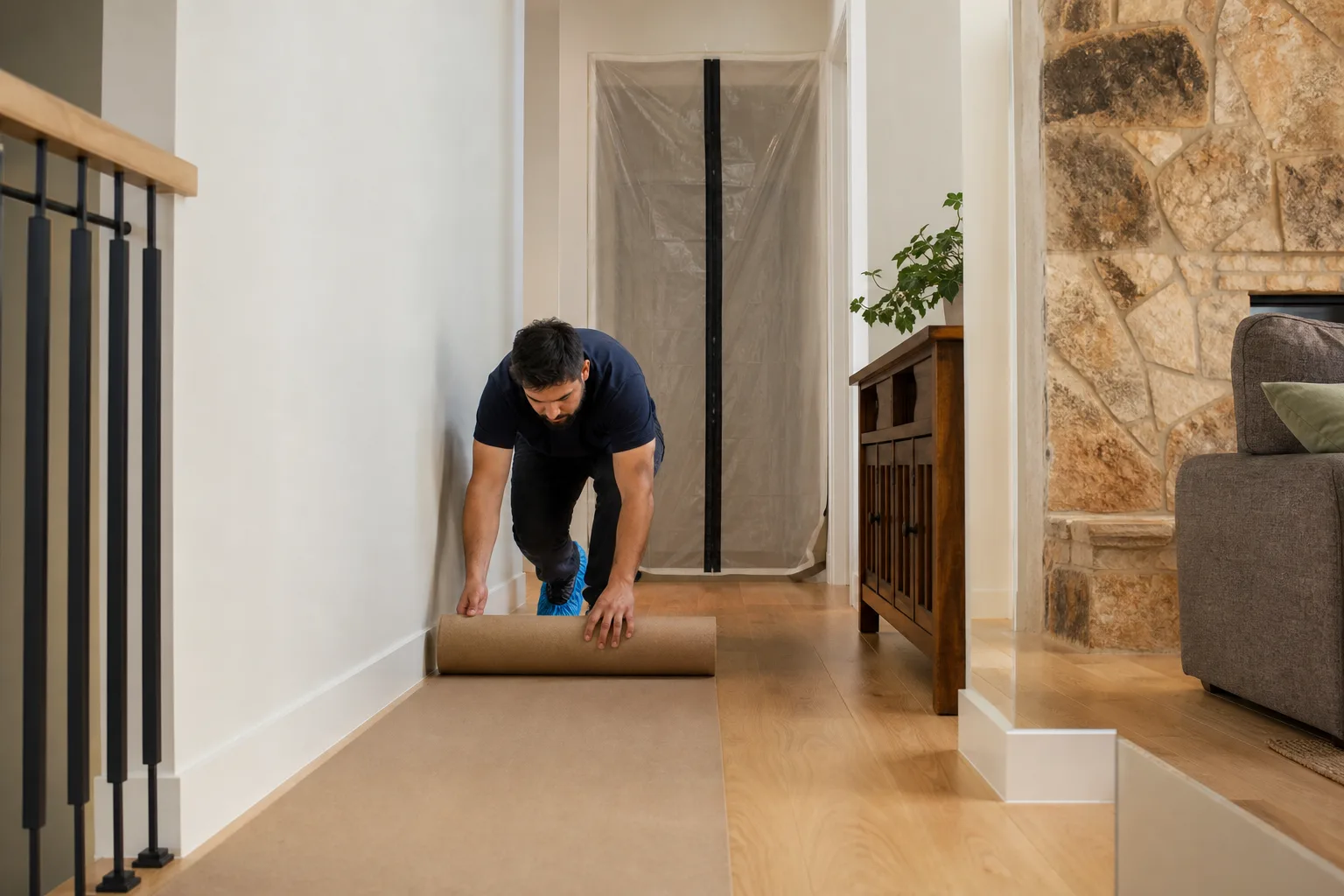
For Pasadena homes, a full Quikrete bedding repair tied to window or door replacement lands in the $4,500 – $15,000 range. A single door opening on a bad threshold bed might run $1,200 – $2,800 in parts and labor when done as a standalone repair. What drives the price up: second-story access, stucco matching, any rotted framing behind the bad fill, and the number of openings being done at once. Every quote from us is a written, line-item price before any work starts, and that number does not move once the crew arrives. The price you see on paper is the price you pay at the end – no footnotes. We protect the surrounding floors with drop cloths, run quiet tools during nap and school hours where possible, and hand you a photo of the clean-up before we leave.
DIY or Call Us?
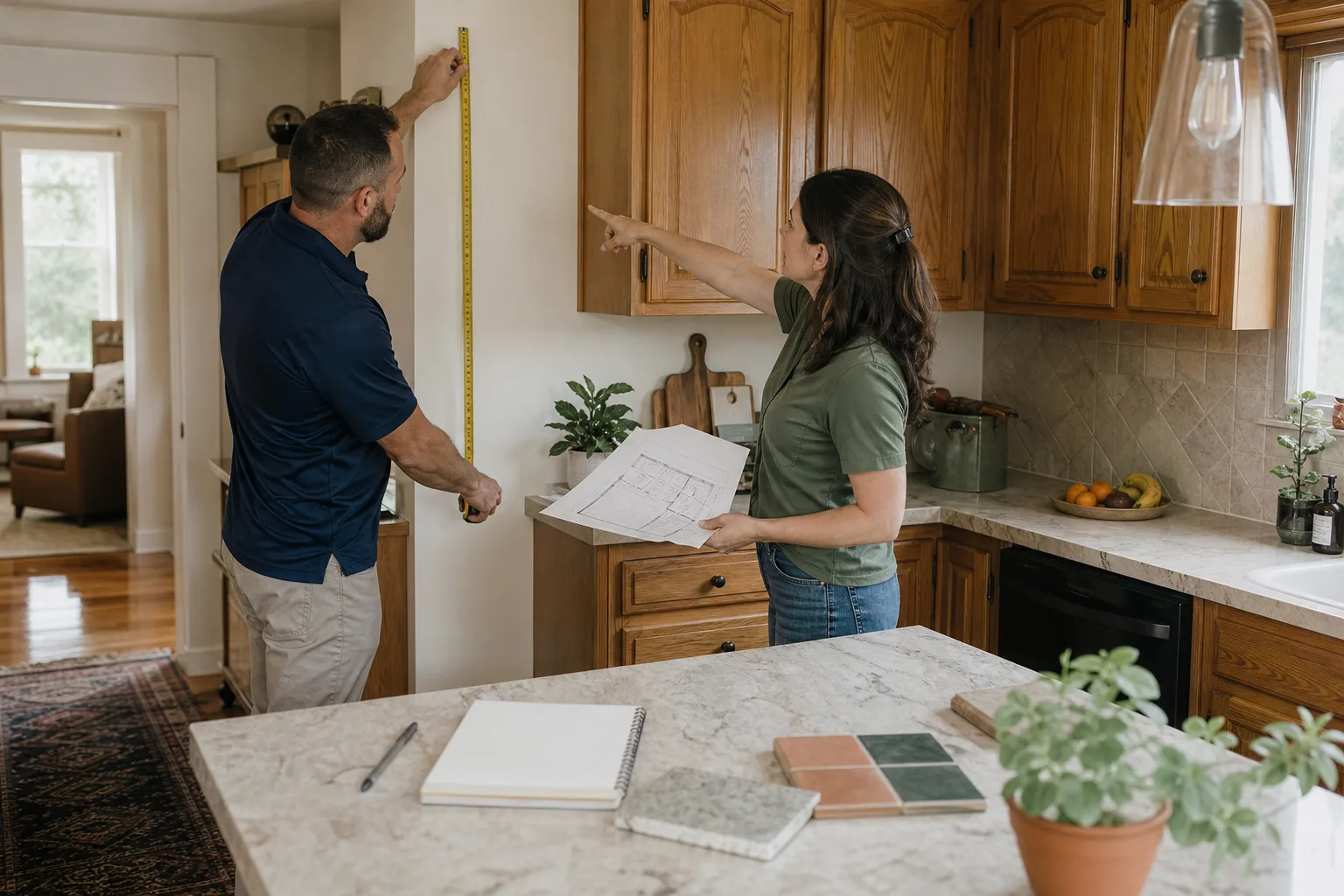
You can safely do the diagnostic part yourself. Remove a piece of interior trim and look at the fill. Take a photo. Put eyes on the exterior caulk line. That tells you what you are dealing with. What you should not do is chip out the old Quikrete and repack it without checking the framing behind it. By the time the fill has crumbled, there is often a moisture story underneath that nobody sees until the opening is fully exposed. We have opened walls in Bungalow Heaven where the fill looked bad from the front and the sill plate behind it crumbled when we touched it. If you are unsure, call (626) 714-2992 and we will come look. The visual inspection is free, and you will know exactly what you are working with.
FAQs
In Pasadena’s hot-dry-to-rainy cycle, properly mixed and installed Quikrete bedding typically lasts 25 – 40 years before the bond begins to fail. What cuts that short is water intrusion from a failed exterior seal, which turns the fill into sand from the inside out over a decade or less.
Yes, if the fill is only partially deteriorated and the framing behind it is sound. We often cut out the failed section, pack fresh Quikrete Hydraulic Water-Stop Cement or mortar mix matched to the original application, and re-anchor the frame. The deciding factor is what we find once the trim is off, not what the crack looks like from the outside.
A single opening repair with curing time runs one to two working days. Full replacement of window and door openings on a typical Pasadena home takes three to six days depending on the number of units and whether stucco patching or trim replacement is included.
We keep FastSet Anchoring Cement, Mortar Mix, Hydraulic Water-Stop Cement, and the matching bonding agents on the truck as standard stock. We also carry caulks and backer rods matched to the brands we install alongside: KraftMaid windows, Cambria and Silestone sills, and standard replacement units. If your project calls for a specific Quikrete product we do not have on board, we pick it up before the work starts, not mid-job.
Written by Graham Stein, Owner, Elmstead Remodeling Pasadena at Elmstead Remodeling Pasadena, serving Pasadena and nearby areas.
If the Quikrete fill around your windows or doors is crumbling, cracked, or pulling away from the frame, call Elmstead Remodeling Pasadena at (626) 714-2992. We will assess the opening, hand you a written price, and tell you honestly whether it needs a repair or a replacement. The estimate is free, and the answer will be specific to your house, not a brochure.