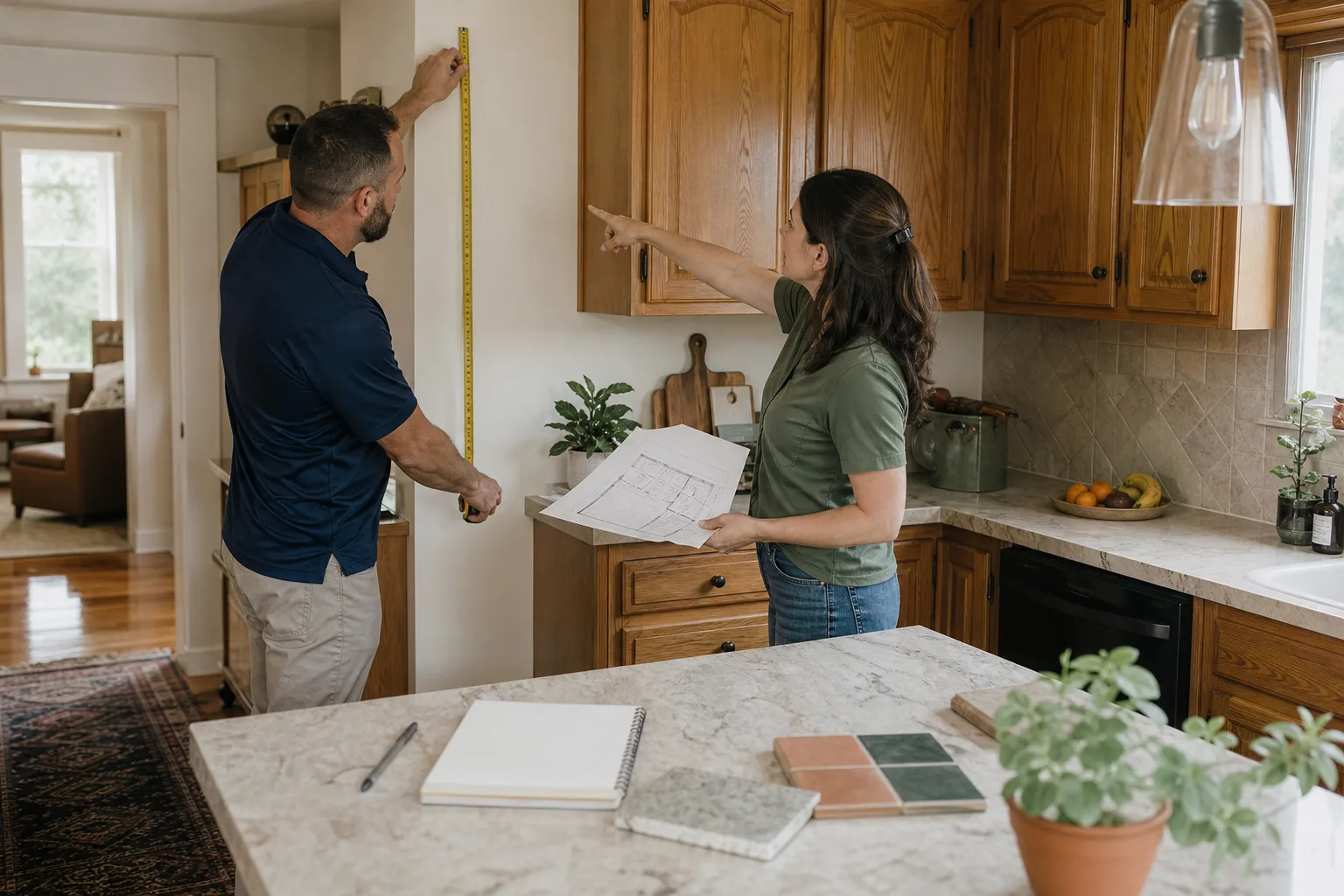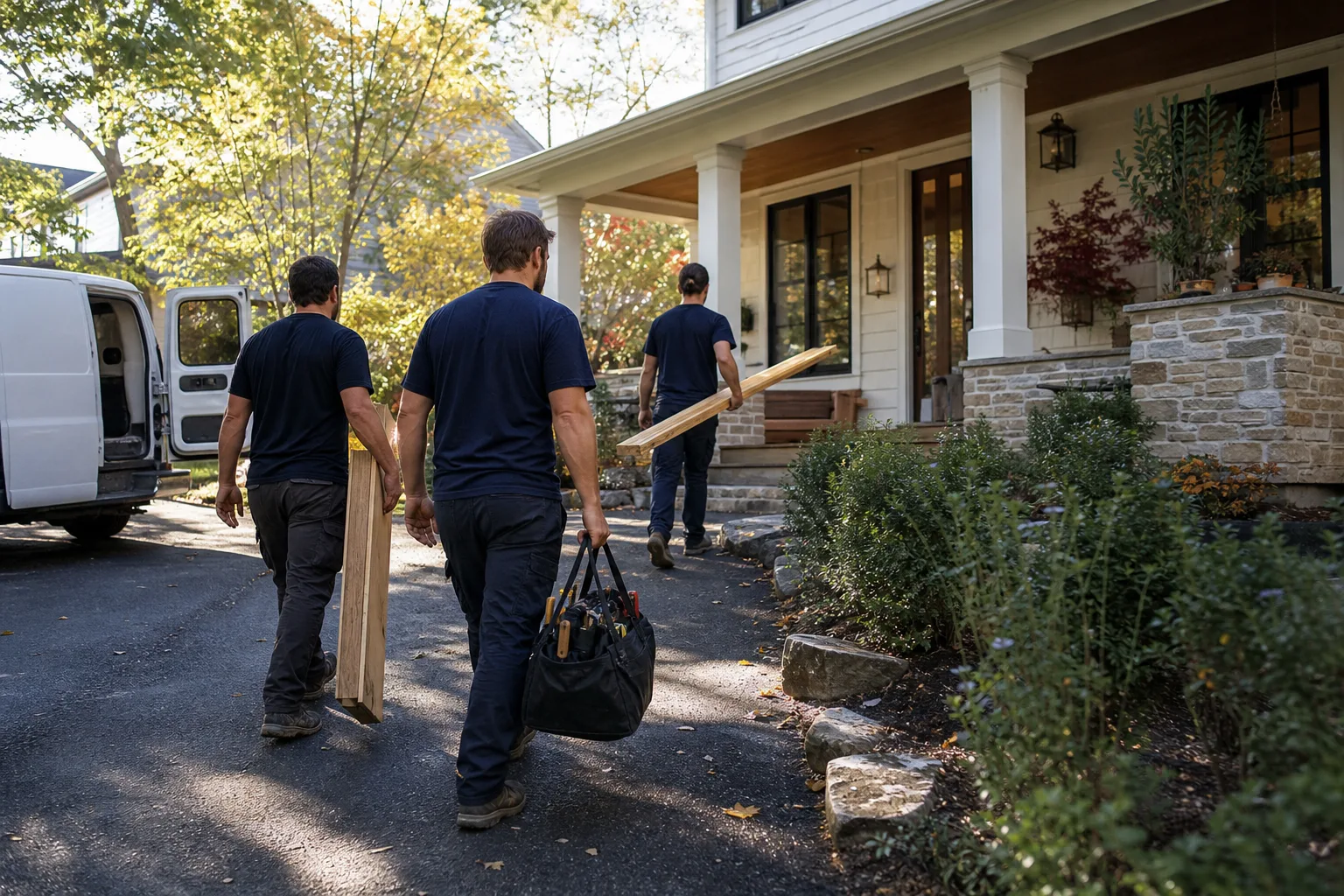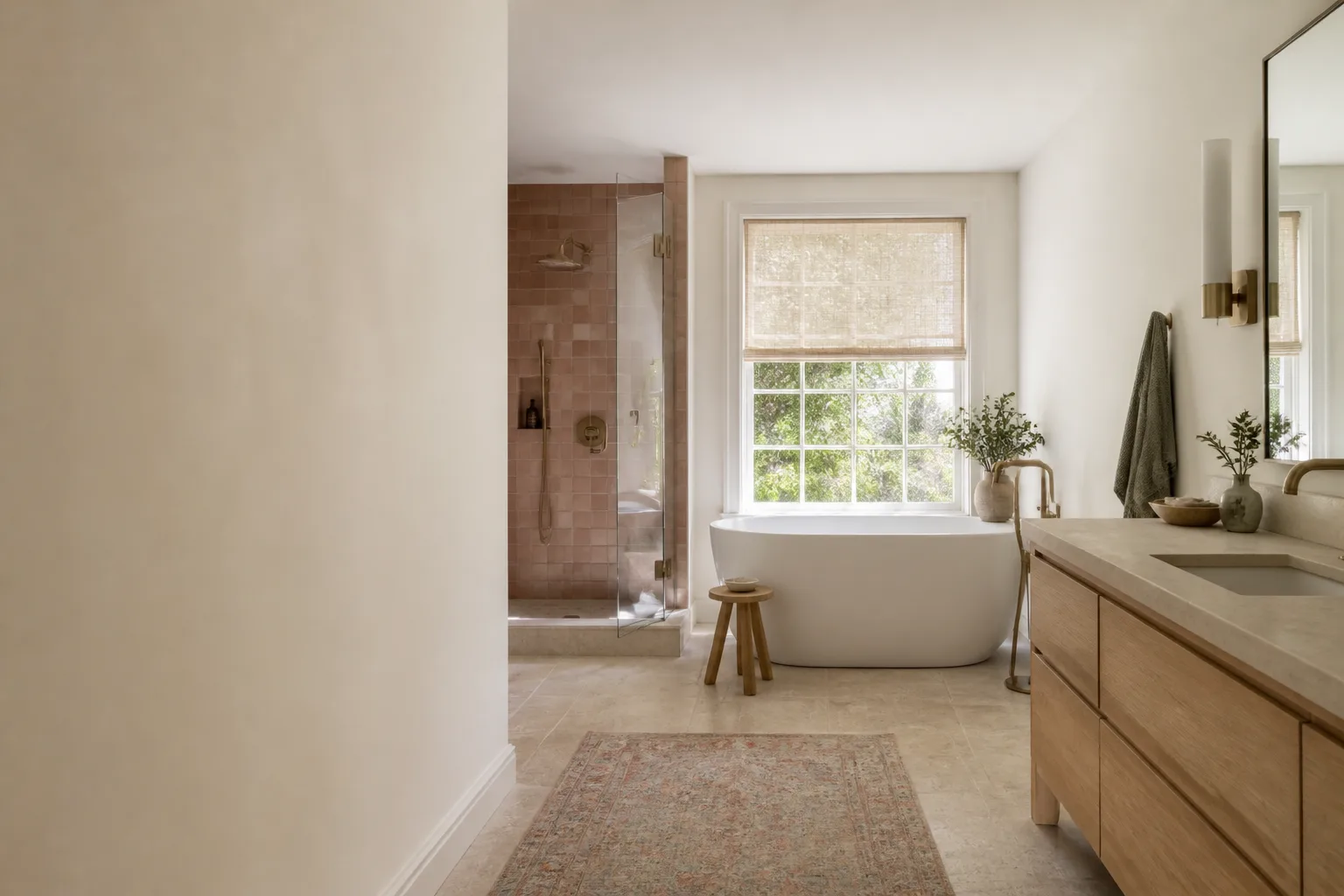


Free written scope consultation - allowances, timeline, and change-order rules on paper before a single trade is scheduled
Sterling Home Additions & ADU: The Pasadena Owner’s Guide
If you have a Sterling home addition or ADU and a component has failed, the installed replacement in Pasadena typically runs $45,000 – $130,000 depending on scope. Most owners discover the failure the same way: a door that no longer sits square in its frame, a window that fogs between the panes, a floor that has started to slope, or a roof corner that shows water staining after the first heavy rain of the season. We stock and install Sterling-compatible components and can usually schedule a site walkthrough within a few days of your call to (626) 714-2992.
Here’s the critical piece most pages won’t tell you: a “part” in a home addition or ADU is rarely a single component you can swap like a faucet cartridge. It is a system – framing, flashing, tie-downs, sheathing, waterproofing – and the fix depends on knowing exactly how that system was assembled. In Pasadena’s older neighborhoods, we commonly see Sterling additions from the mid-2000s where the original flashing detail at the roof-to-wall transition has failed. The symptom shows up as a water stain on an interior ceiling far from any exterior wall, because water travels along framing before it drops. That’s the failure mode we see most often in Bungalow Heaven and the Arroyo Seco hillsides.
Key takeaways:
- Installed replacement work on a Sterling addition or ADU in Pasadena runs $45,000 – $130,000 depending on the system that failed.
- The most common failures are water-intrusion at flashing points, settling at the sill plate, and window/trim rot from Pasadena’s winter rain cycle.
- We give a written price before any work starts, and every job carries the 365-Day Done Right Promise.
- Call (626) 714-2992 and a live person answers – 24/7, no voicemail tree.
Which Sterling Models This Applies To
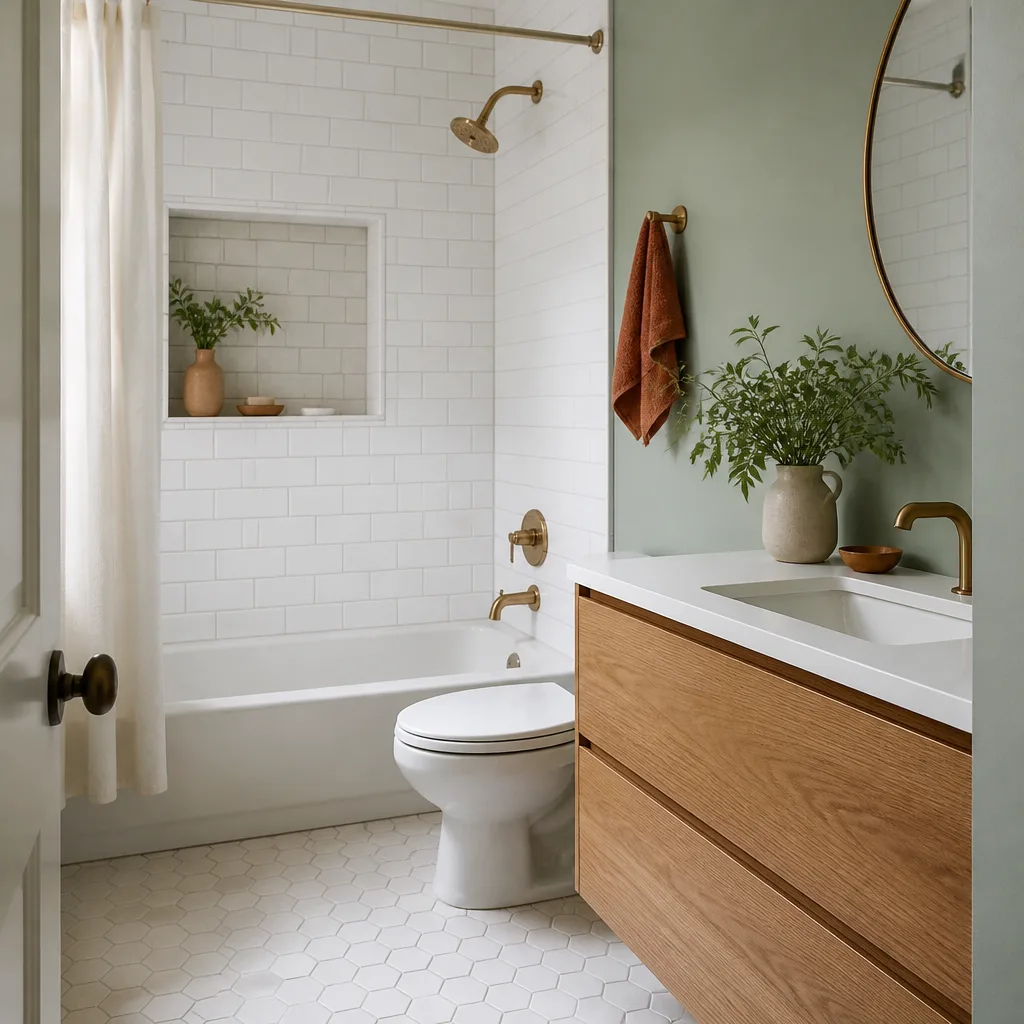
Sterling home additions and ADUs built in Pasadena fall into a few recognizable construction generations. The early-2000s builds used stick-framed walls on slab foundations with composition shingle roofs – these are the ones we see with flashing failures at the roof-to-wall junction and sill-plate settlement where the original anchoring was light. Later builds, roughly 2010 forward, moved to engineered roof trusses and heavier shear-wall schedules, but they still share one weak point: the transition where the addition ties into the original house framing. That seam is where differential settling shows up first in Pasadena’s clay-heavy soils, which expand and contract with our wet winter/dry summer cycle.
A compatibility note worth knowing before anyone opens a wall: Sterling additions do not have a single parts catalog the way a Sterling plumbing fixture does. The “parts” are dimensional lumber, Simpson Strong-Tie connectors, Grace Ice & Water Shield, Tyvek or equivalent housewrap, and flashing stock sized to the specific roofline. If you have original plans, we match the framing schedule to those. If you don’t, we measure the existing members and match to current California Building Code for Pasadena. OEM part simply means “matched to the original spec” here – and for most repairs, quality aftermarket equivalents from Simpson, GAF, and James Hardie perform as well or better than what was originally installed. We do not cut corners on connectors or flashing; a $6 strap failing at the shear wall is the start of a $30,000 repair.
Styles & brands we work with
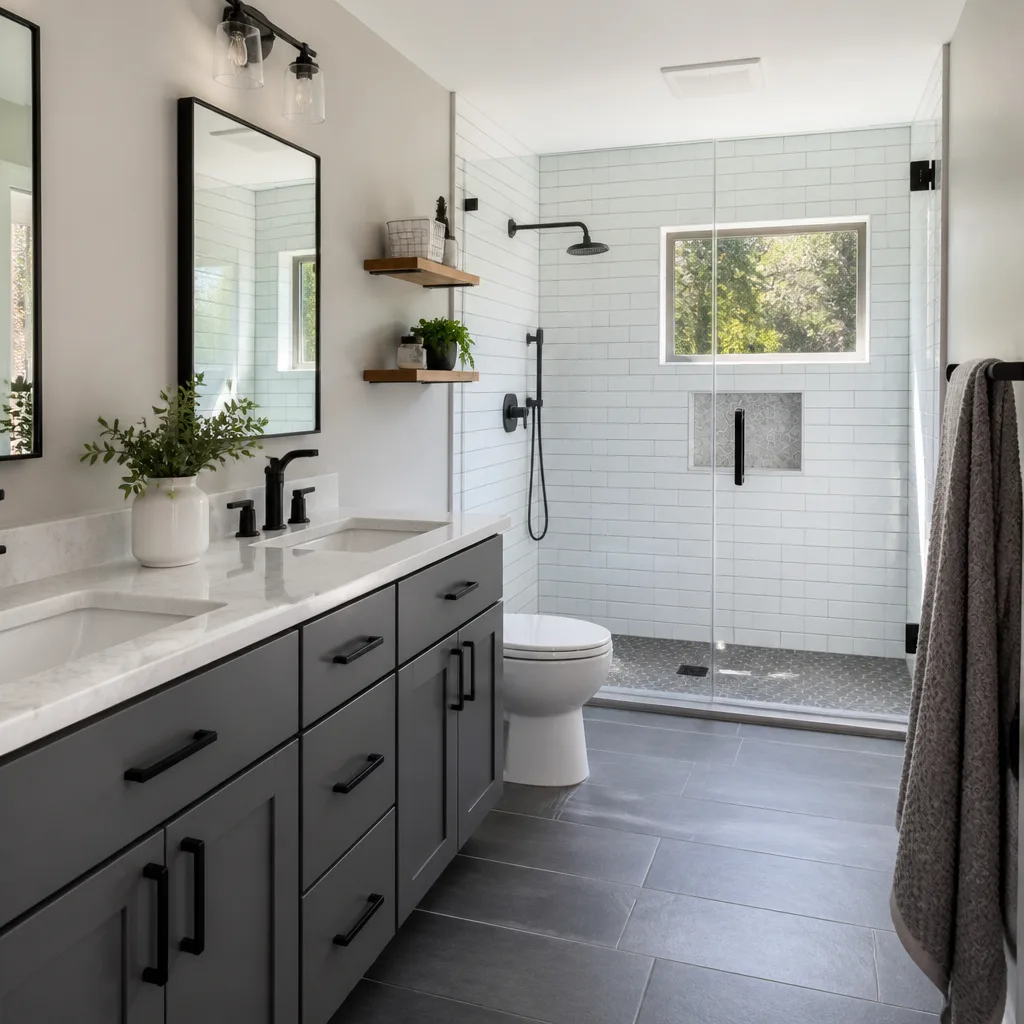
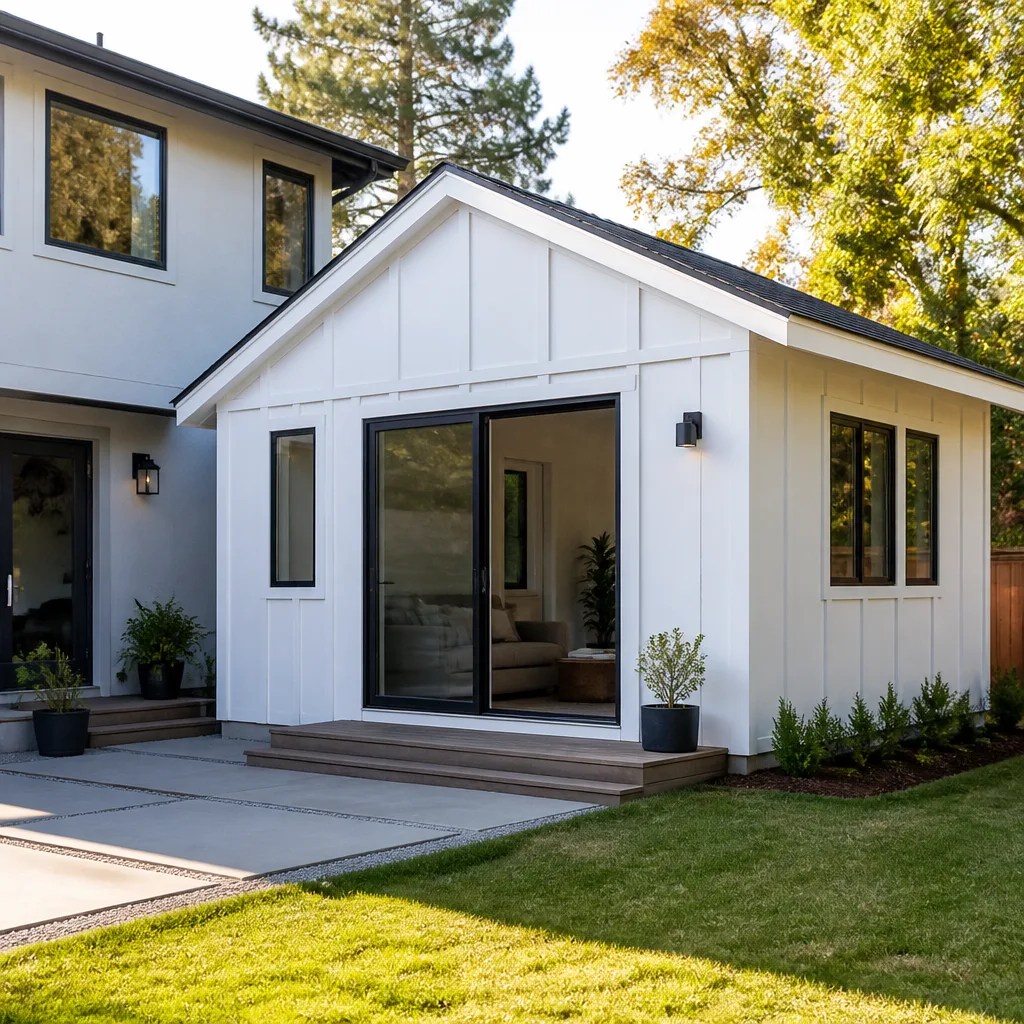
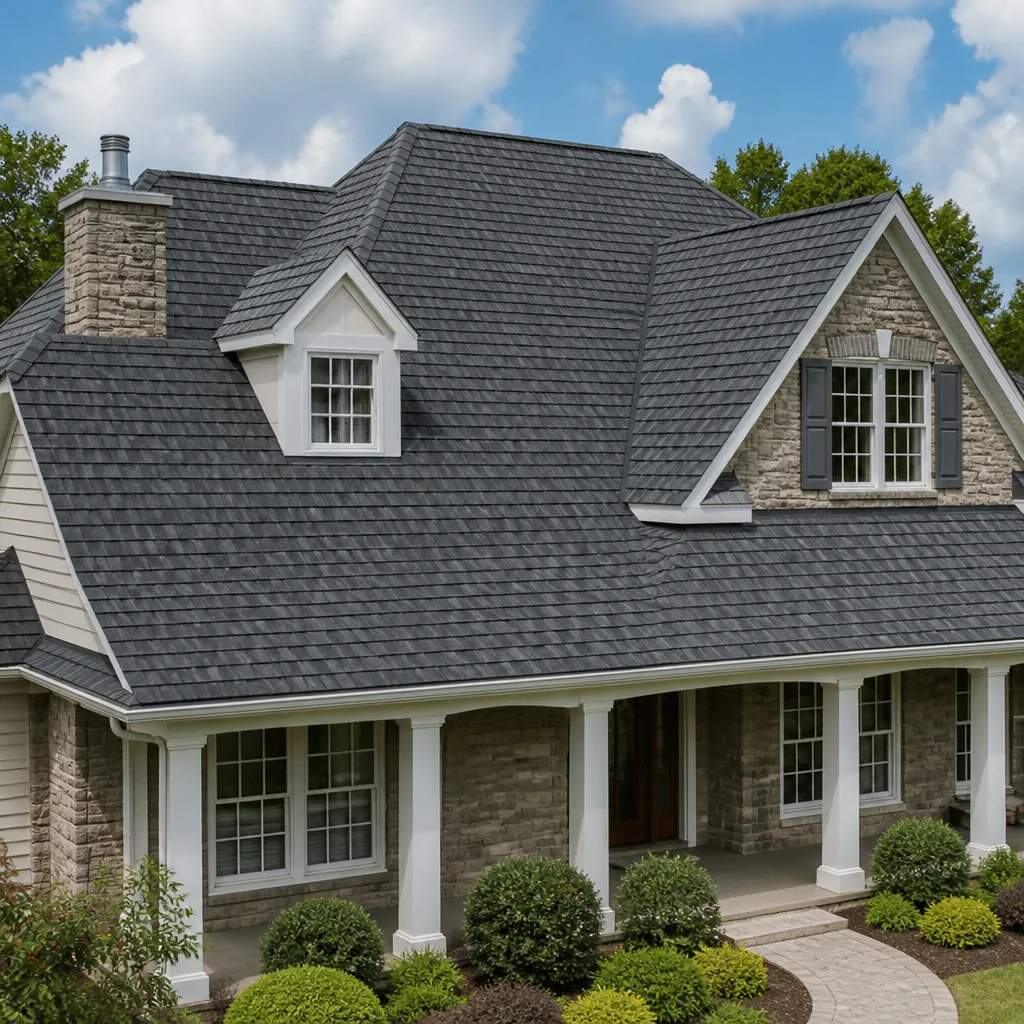
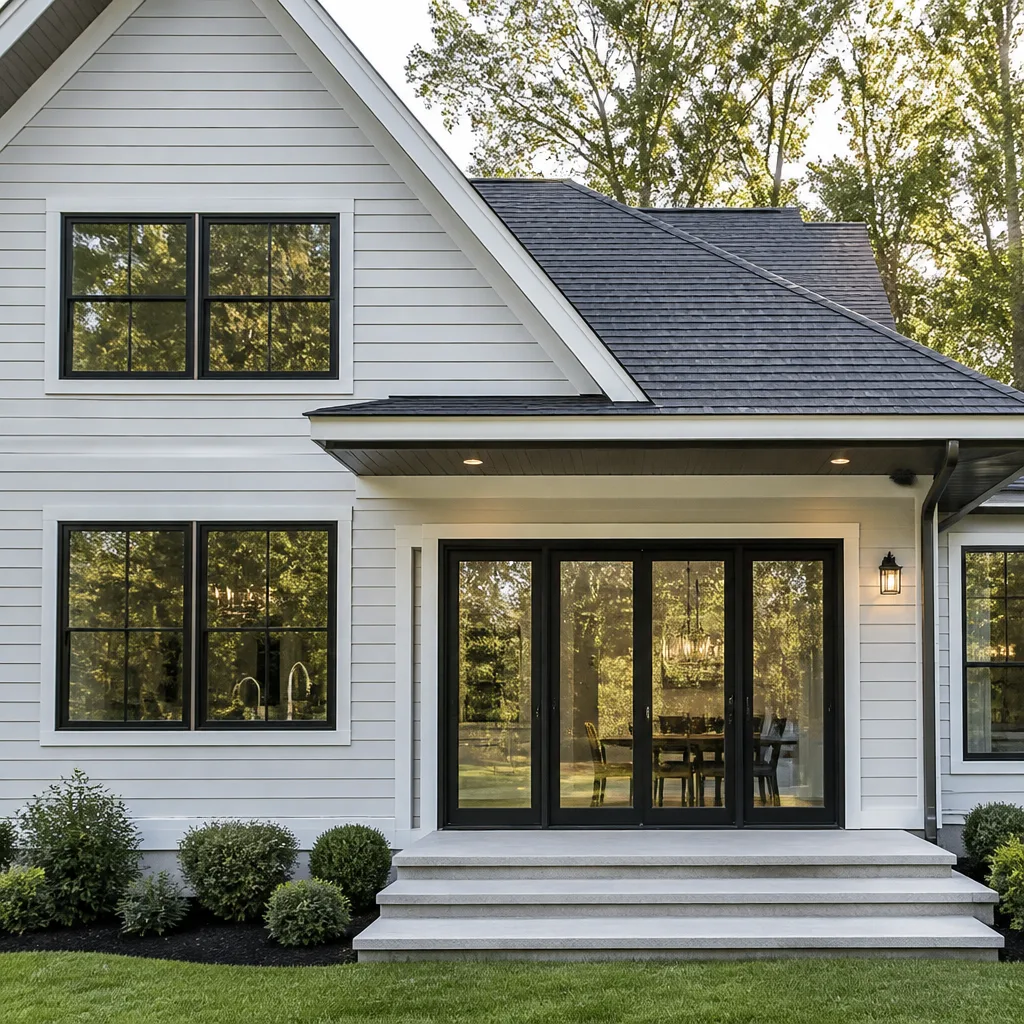
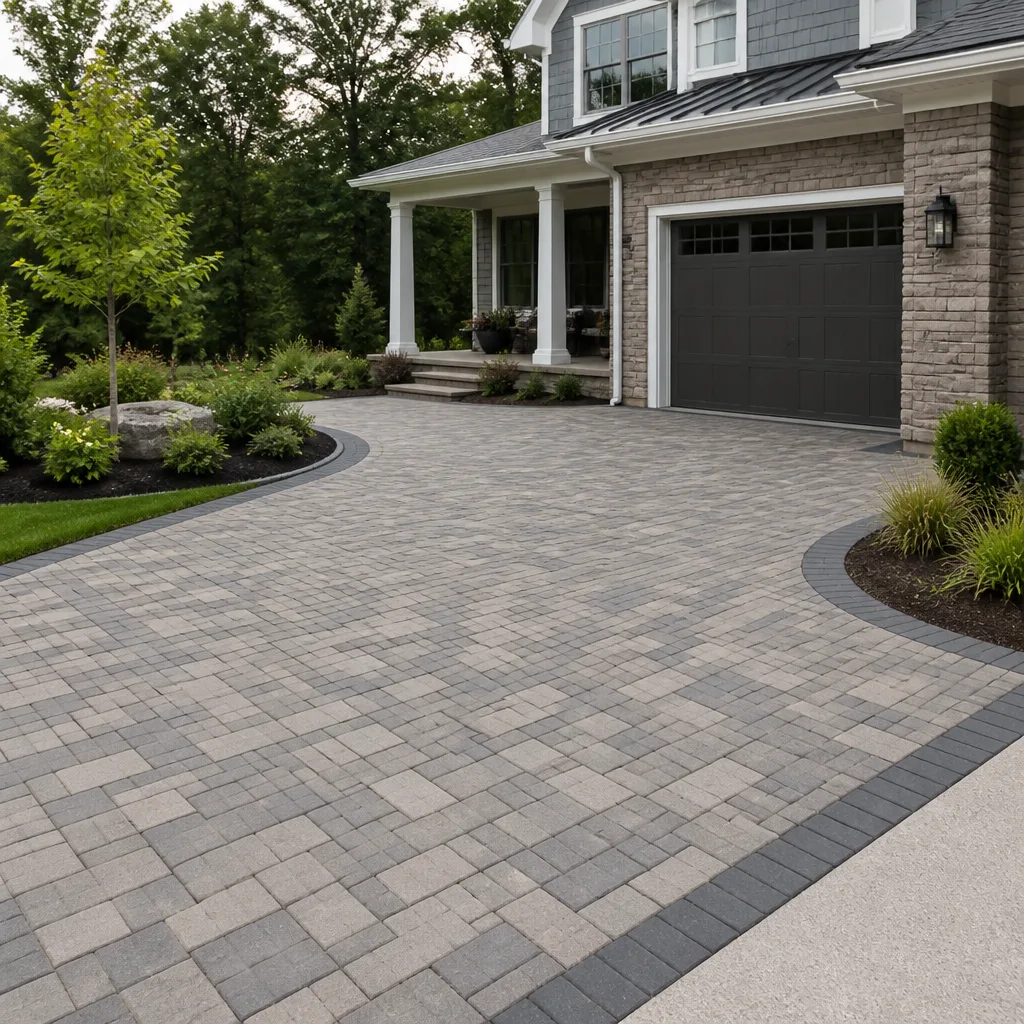
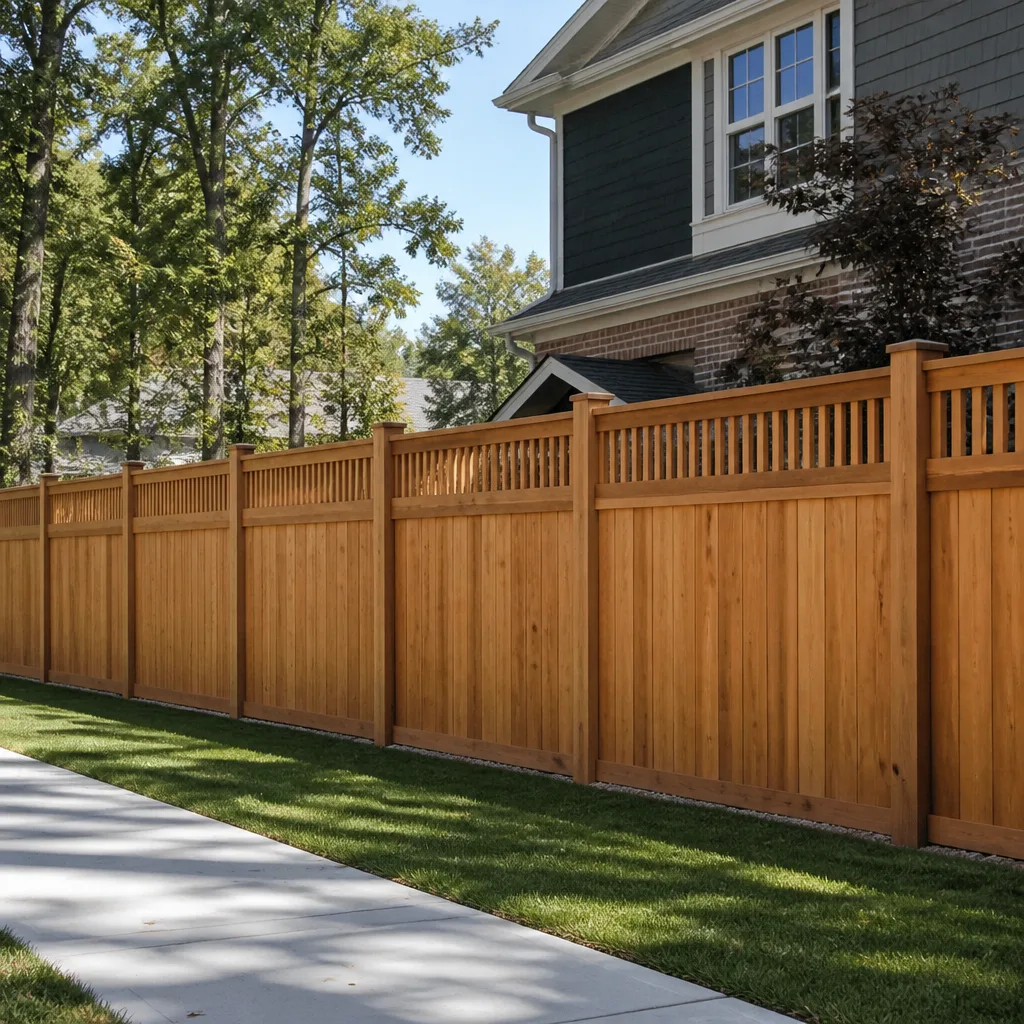
Signs Your Sterling Home Additions & ADU Is Failing
These are the signals we see on walkthroughs in Pasadena, week after week. Each one has a specific cause, and the cause dictates the fix.
- Doors sticking or dragging in the addition, but not in the main house. The addition’s foundation is settling at a different rate than the original structure. In Pasadena’s clay soil, this is common after a wet winter. The cause is usually undersized footing or a missing shear connection at the old-to-new seam.
- Water staining on an interior ceiling with no plumbing above it. The roof flashing at the addition’s roofline has failed, or the housewrap was not lapped correctly at the original job. Water enters at the roof edge and travels along a rafter before dripping. By the time you see the stain, the framing has been wet for weeks.
- A musty smell that comes and goes, strongest after rain. Moisture is trapped in a wall cavity, usually at the addition’s base plate where the exterior grade was built too high against the siding. Pasadena’s winter rains make this worse. The fix is not a dehumidifier; it is correcting the flashing and drainage detail at the foundation.
- Windows in the addition fogging between the panes, or exterior trim showing soft spots. The original window installs did not use a sloped sill pan, or the trim was not back-primed before installation. Older Sterling additions in northeast Pasadena show this at a high rate because the original crews were working fast and skipped the back-priming step.
- A crack in the drywall at the corner where the addition ties into the original house. The addition is moving slightly relative to the main structure. This is not cosmetic if the crack is wider than 1/8 inch or if it reopens after patching. It means the shear connection is working – or more precisely, working too hard because the load path is wrong.
See the difference
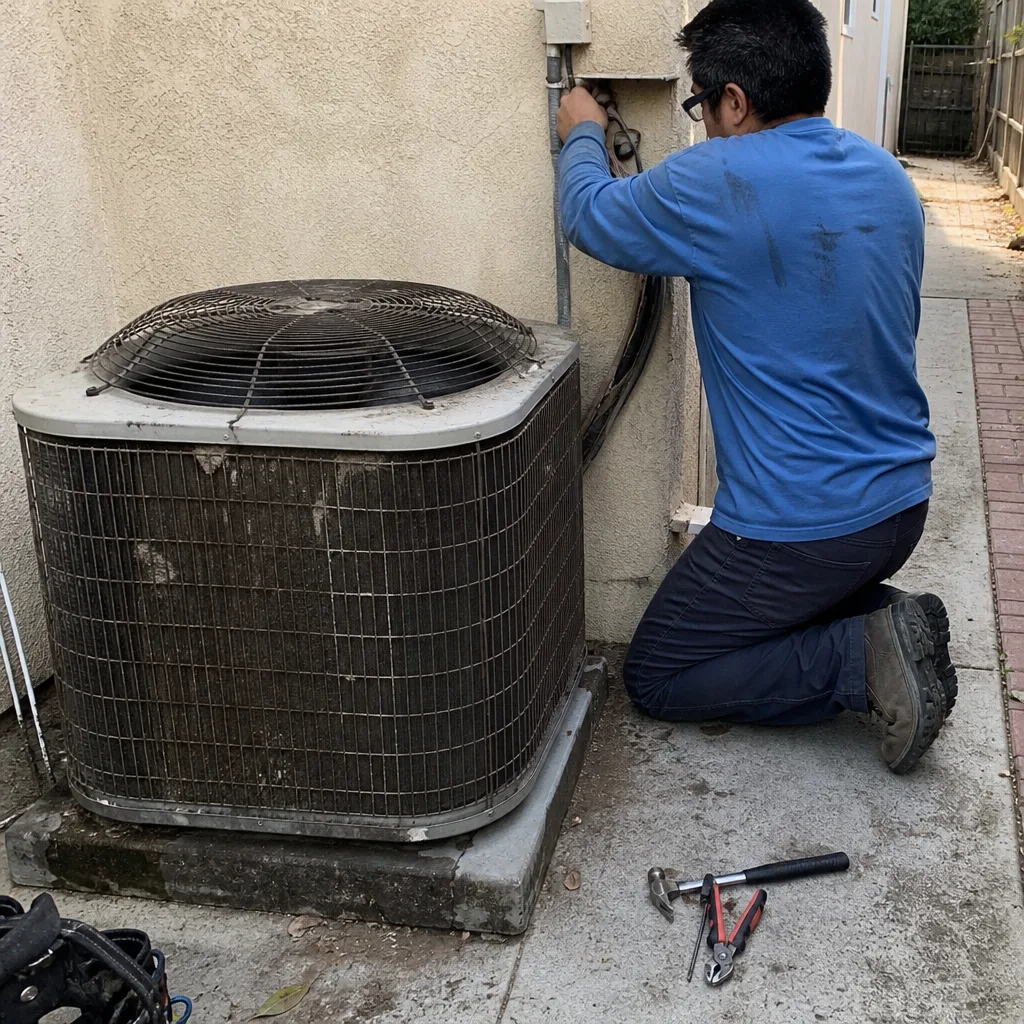 Before
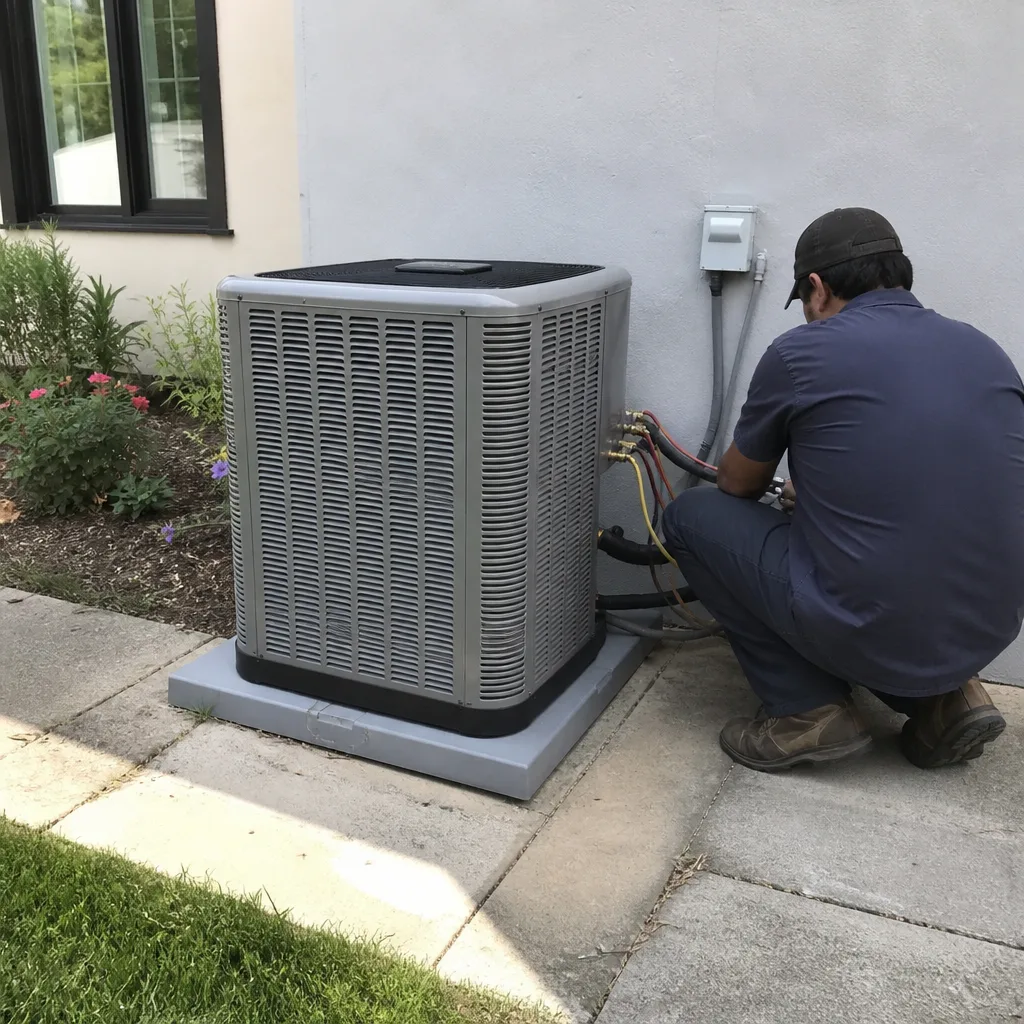 After
After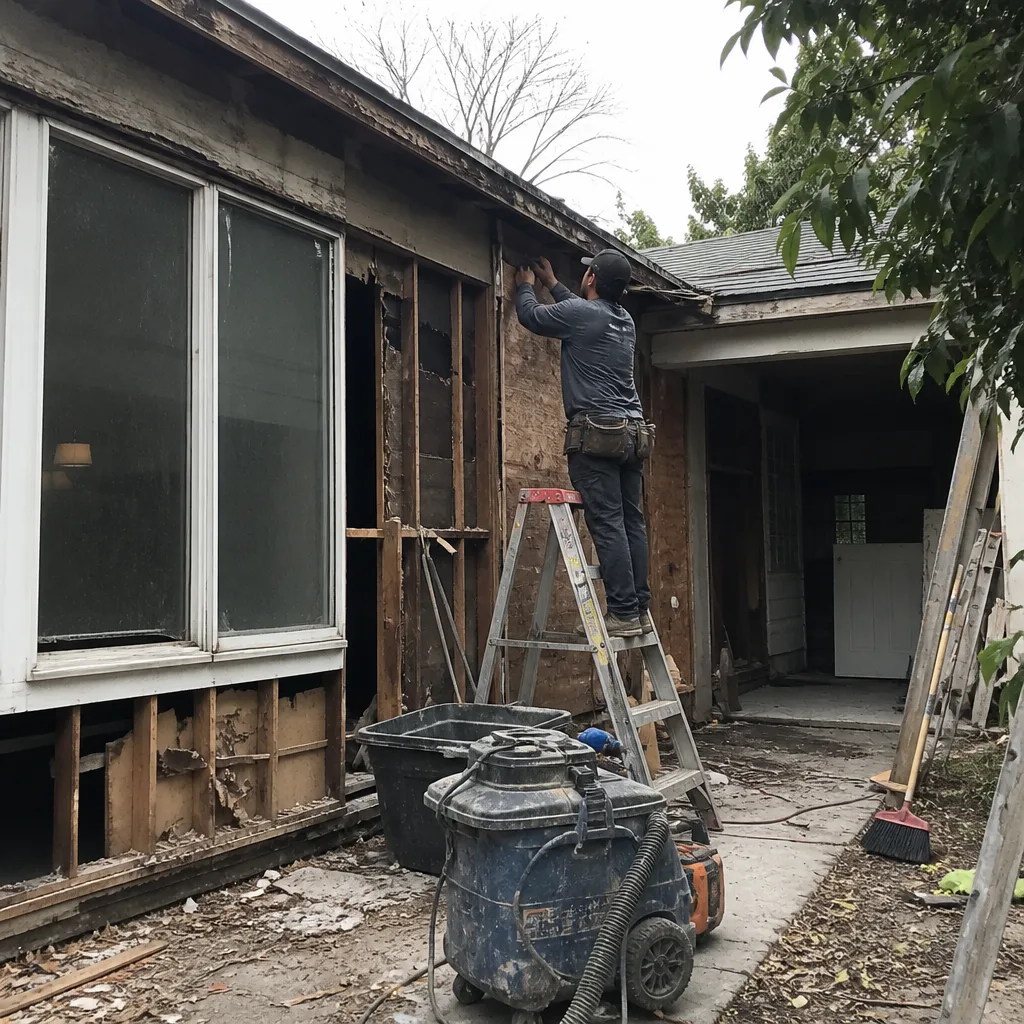 Before
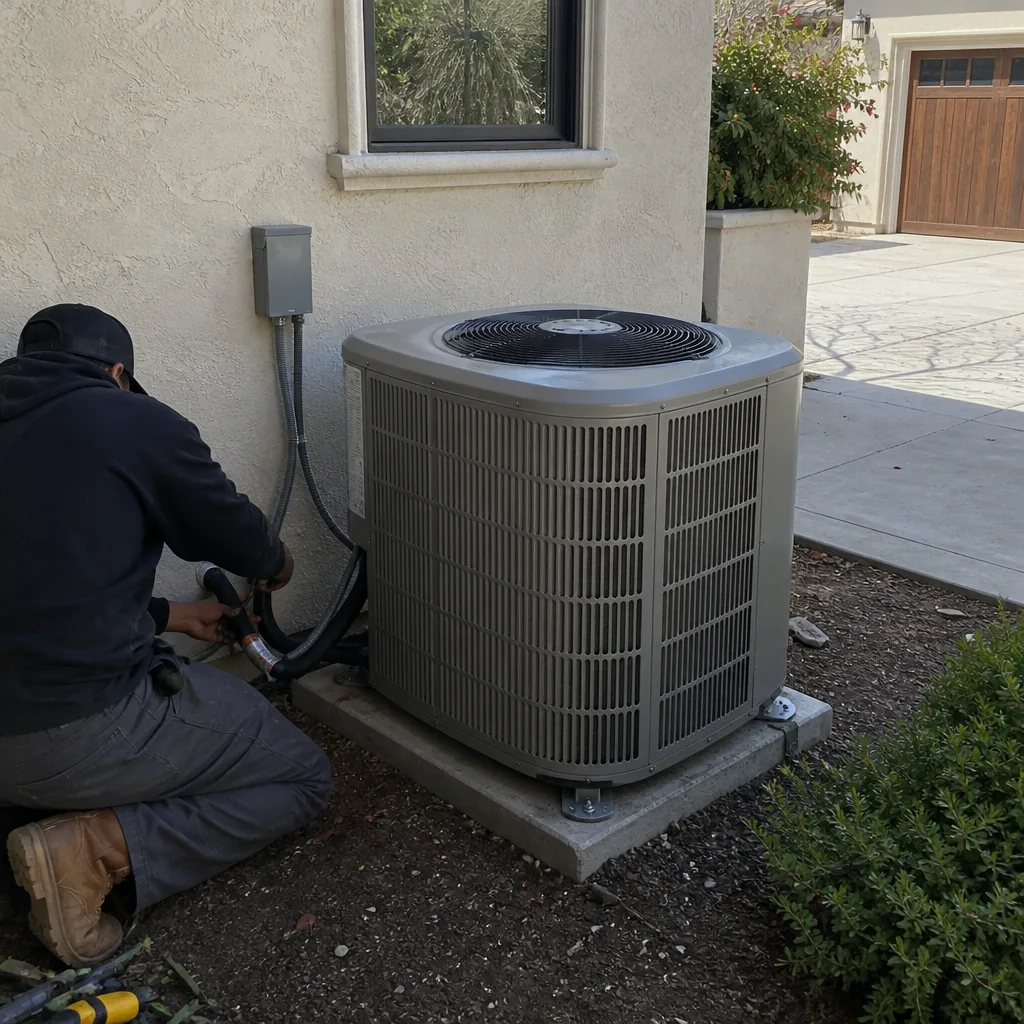 After
After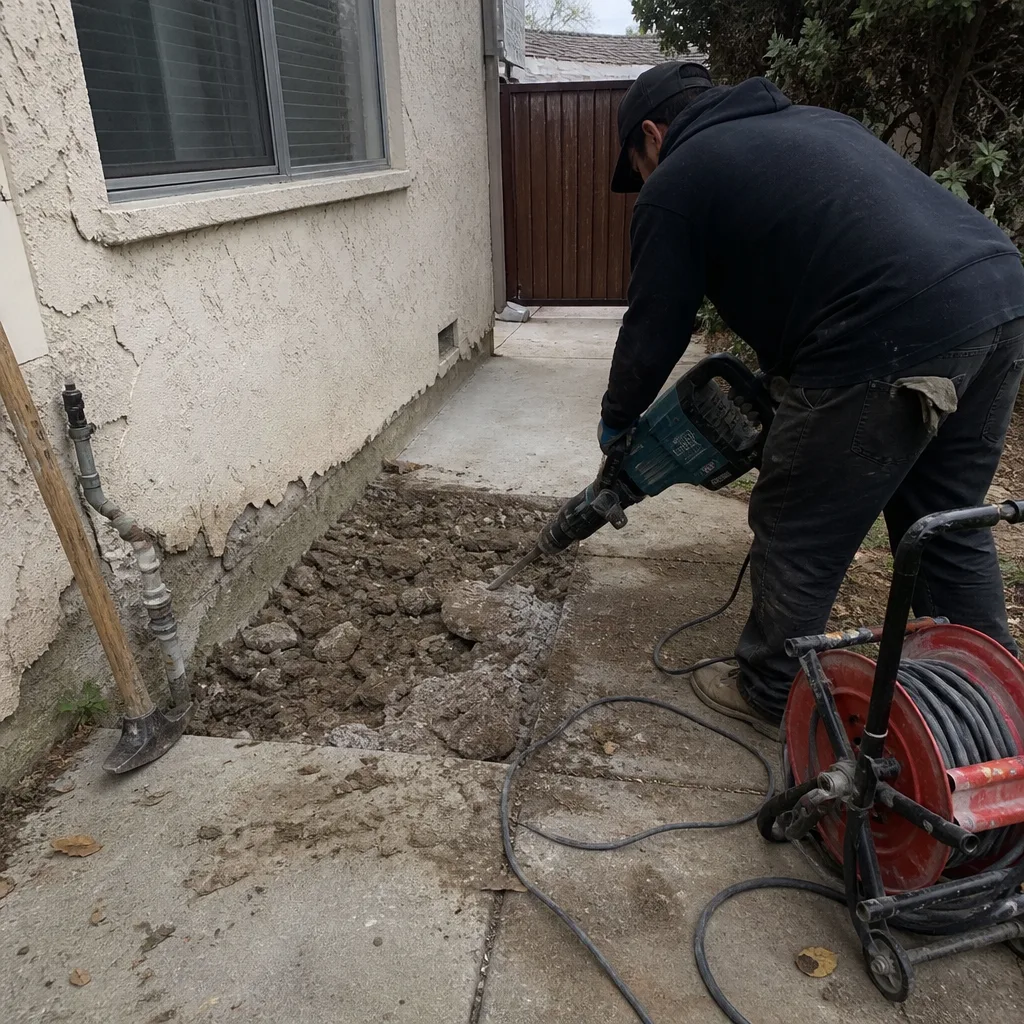 Before
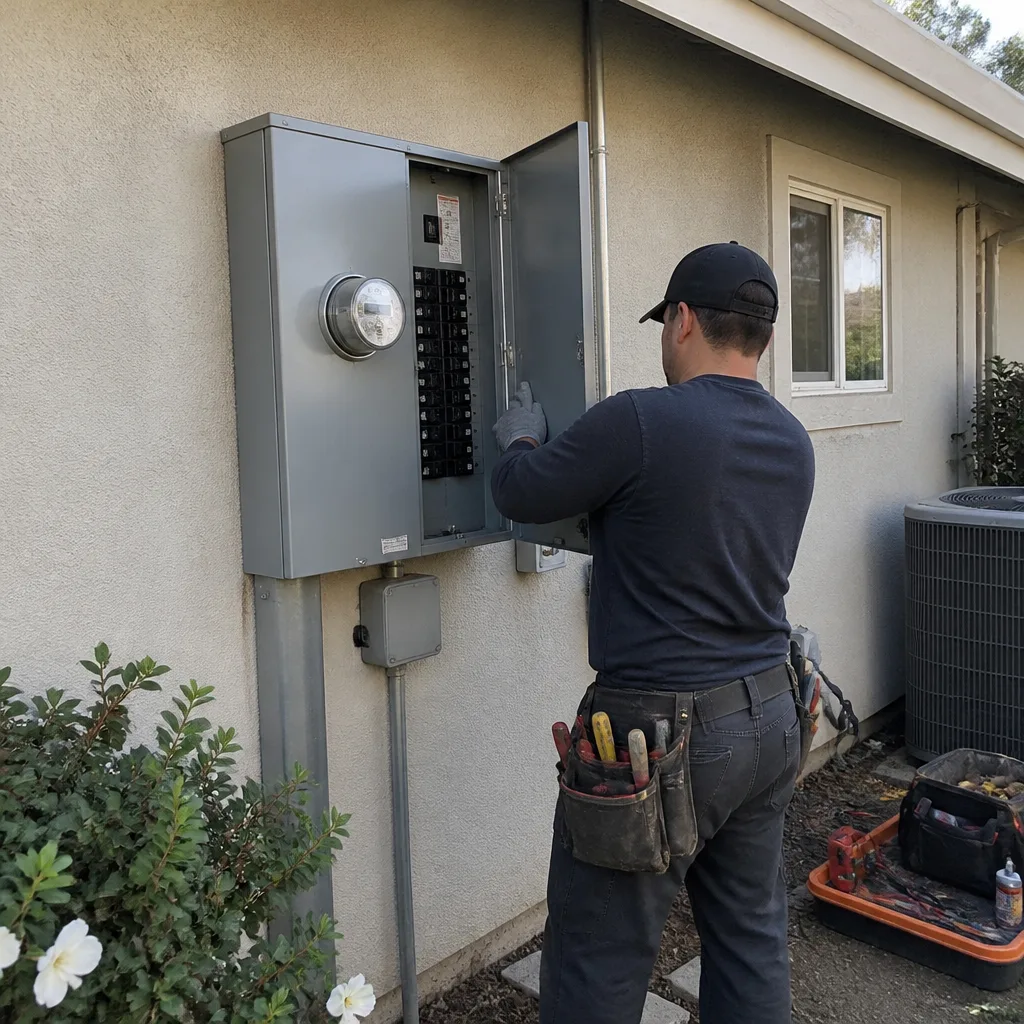 After
AfterReplacement Cost & What’s Included
On a Sterling home addition or ADU in Pasadena, the installed cost for a real repair falls into this range, and I’ll be direct about what drives it:
- Foundation stabilization and sill-plate replacement at the old-to-new seam: $45,000 – $130,000 depending on access, the amount of floor that must be opened, and whether the original footing needs to be exposed or supplemented.
- Full roof-to-wall flashing and housewrap correction: $45,000 – $130,000 when it involves removing siding, re-flashing, and re-siding; lower when the roofline is a simple gable and no structural repair is needed.
- Window and trim rot repair with James Hardie replacement trim and properly pan-flashed windows: falls within the same range when multiple windows are involved, because doing it right means pulling each window, replacing the sill pan, and re-installing with back-primed trim.
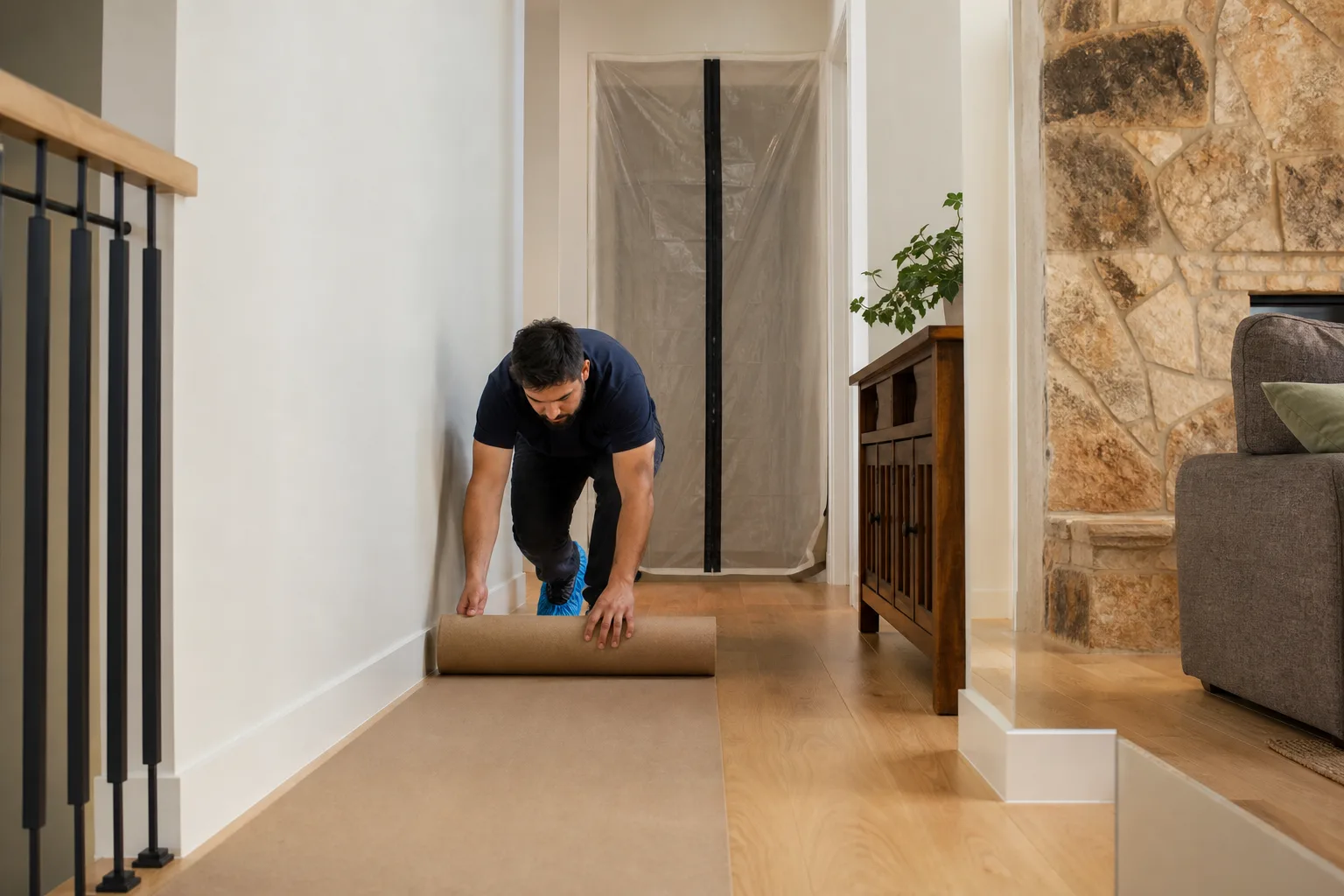
The price on paper is the price you pay at the end – no footnotes. That’s the way we’ve done it in Pasadena since we started, and it’s not negotiable. Every quote includes the specific materials by name, the number of days on site, the crew size, and the clean-up standard: drop cloths down before work starts, a photo of the clean-up before the crew leaves each day, and a written price handed to you before any work begins. We do not do change orders unless you add scope. The work is covered by the 365-Day Done Right Promise: if it’s not done right, we make it right.
DIY or Call Us?
What you can check yourself: whether doors are dragging more in winter than summer (indicating seasonal soil movement), whether caulk joints at exterior trim have separated (a sign water has already entered), and whether any staining is growing month over month. Those observations are genuinely useful when you call us, and they cost you nothing.
What we do not recommend doing yourself: any work that involves opening a wall, removing siding, or disturbing a roof-to-wall junction on a Sterling addition. The hazard is not just the work – it is that a homeowner patching a symptom (painting over a stain, caulking a joint) delays the real fix and lets framing rot continue behind the wall. There is also a structural risk: cutting into a shear wall without understanding the load path can weaken the addition’s resistance to seismic movement, and Pasadena sits in a serious seismic zone. Graham Stein and the crew at Elmstead Remodeling Pasadena have done this work across the San Gabriel Valley for years, and we still learn something new on every Bungalow Heaven job. Call (626) 714-2992 for a walkthrough, and we’ll tell you honestly whether it is a $45,000 structural repair or something we can address for less.
FAQs
A properly flashed and shear-connected repair, done to current California Building Code, lasts 40+ years in Pasadena’s climate; the parts we use (Simpson connectors, GAF flashing, James Hardie trim) carry manufacturer warranties of 10 to 30 years, and our workmanship is covered by the 365-Day Done Right Promise. What shortens the life is water left to sit in a wall cavity, so the earlier we correct it, the longer the repair holds. Call (626) 714-2992 for a site assessment.
Most failing additions can be repaired without a full rebuild, because the failure is usually confined to one system: the flashing, the sill-plate anchoring, or a window install; we repair the failed system and leave intact framing alone. We will tell you if a rebuild is genuinely cheaper or safer, and we will put that recommendation in writing with a line-item price. Estimates are free; call (626) 714-2992.
A flashing and trim correction on a typical Sterling addition takes 3 to 7 working days on site; a foundation stabilization at the old-to-new seam takes longer, usually 2 to 4 weeks, because of excavation, inspection, and concrete cure time. We schedule around your family’s daily rhythm – quiet tools during nap and school hours, pet-safe products where there is a choice – and the clean-up standard is in the contract before we start. Call (626) 714-2992 for a project-specific timeline.
We stock the materials we know will be needed on a Sterling repair: Simpson Strong-Tie connectors, flashing stock, housewrap, back-priming sealer, and James Hardie trim; if the repair requires specialty window or door components, we order them and include the exact brand and lead time in your written quote. You never chase down parts from a supply house in Pasadena – that’s our job, and it is included in the price. Call (626) 714-2992 and we’ll confirm what’s on the truck for your project.
We carry Sterling-compatible components alongside materials from KraftMaid, Cambria, and Silestone for the finishes tied to the repair, because a clean waterproofing fix often means replacing the interior surface that got wet. That’s the difference between a patch and a repair, and it is how we leave a Pasadena home better than we found it.
Written by Graham Stein, Owner, Elmstead Remodeling Pasadena at Elmstead Remodeling Pasadena, serving Pasadena and nearby areas.