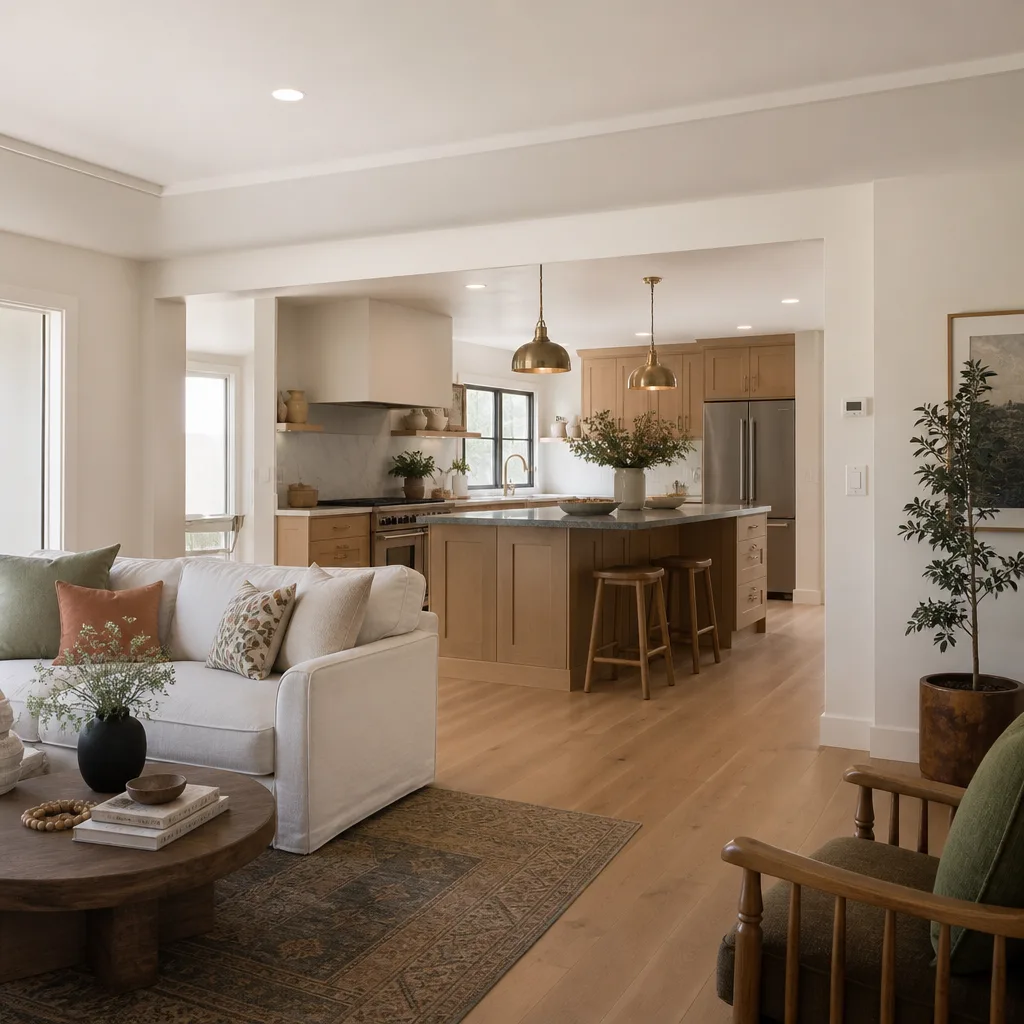
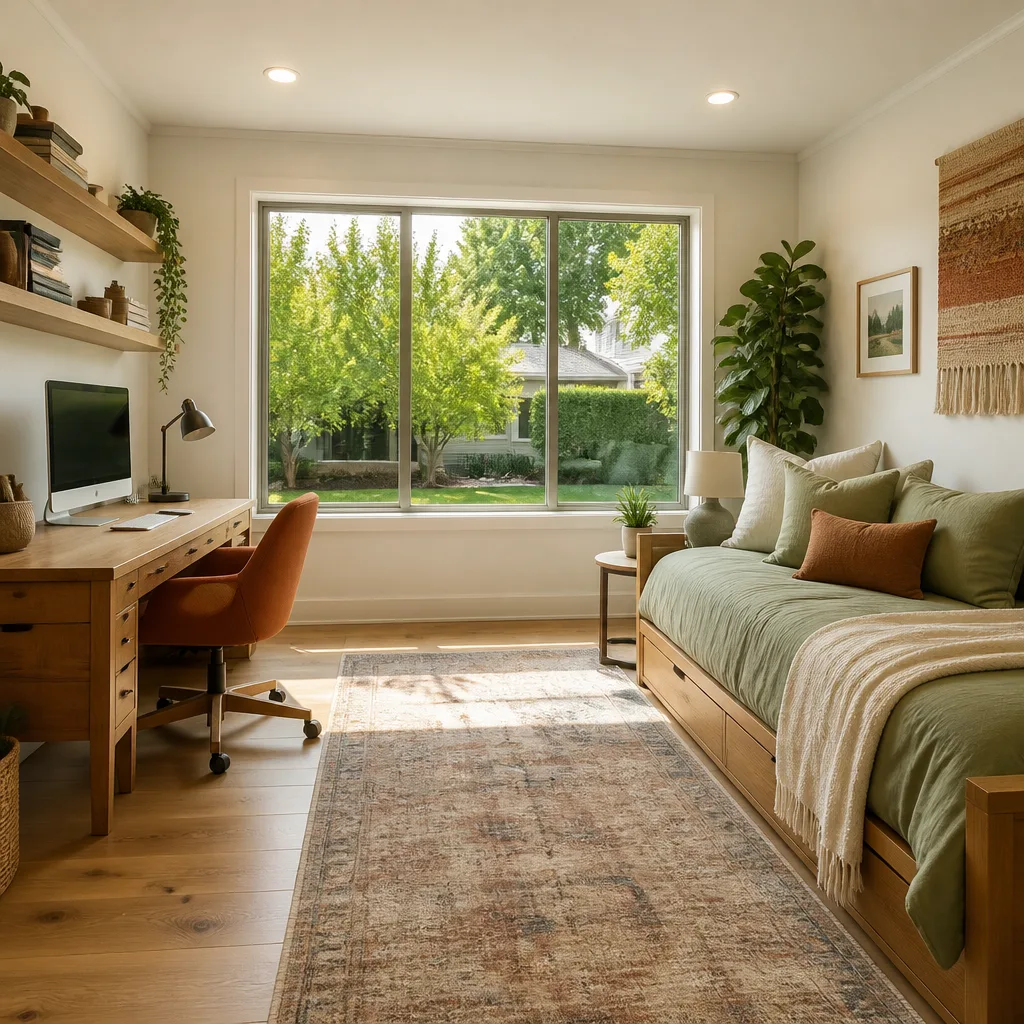
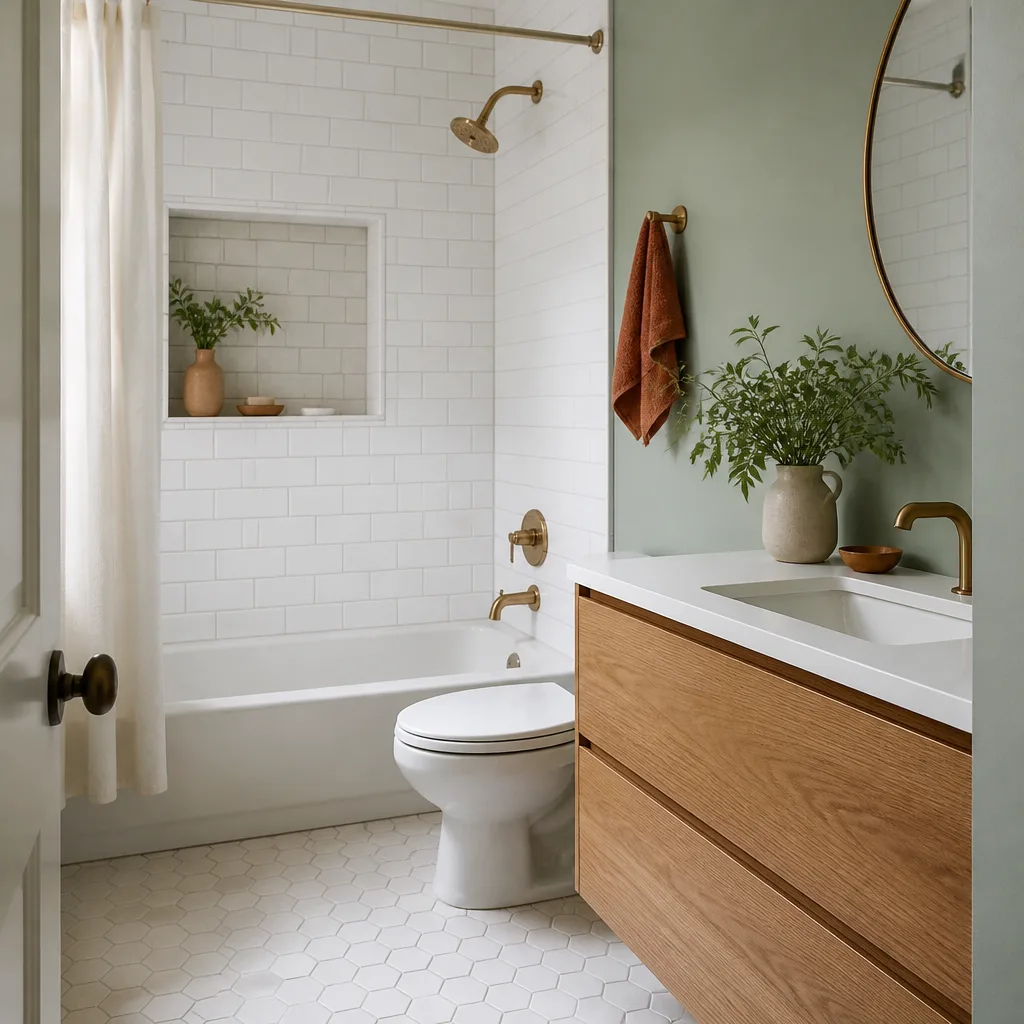
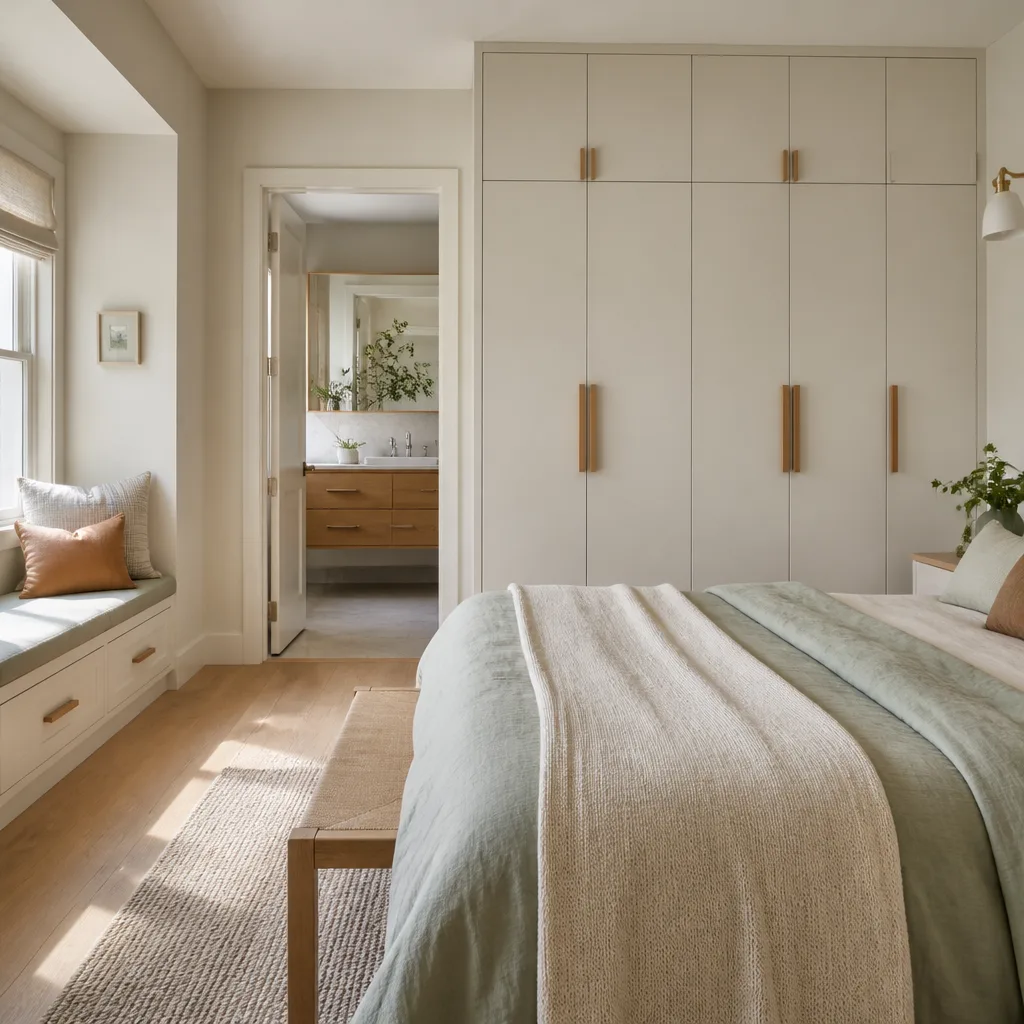
Free written scope consultation - allowances, timeline, and change-order rules on paper before a single trade is scheduled
Unilock Home Additions & ADU: The Pasadena Owner’s Guide
Unilock paver and wall systems are built into a lot of Pasadena backyards, and when a retaining wall block, paver, or edge restraint fails, it can throw off the whole hardscape. A full Unilock home addition or ADU project in Pasadena typically runs $45,000 to $130,000 depending on square footage, site prep, and how much existing hardscape has to come out first. We stock Unilock-compatible pavers, wall blocks, and edge restraints on our trucks, and we can match most current Unilock product lines same-week.
Most owners discover a failing Unilock component the way you’d expect: a paver sinks after a heavy rain, a wall block shifts and shows a hairline crack, or an edge restraint pops up and trips someone. In Pasadena’s clay-heavy soil, the freeze-thaw cycle is less of an issue than in the mountains, but our dry summers and occasional deluge winters cause expansion and contraction that works pavers loose over time. The good news is that Unilock systems are modular by design, which means a failing section is usually repairable without tearing out the entire project.
Which Unilock Models This Applies To
Unilock’s current catalog breaks into several families, and the compatibility question matters more than most homeowners realize. The Estate Series (Hollandstone, Brussels Block, Courtstone) uses a 60mm thickness for residential driveways and patios, while the U-Cara Multi-Face Wall System uses a completely different fascia panel mounting clip than the older Pisa or Brussels Wall blocks. If you’re matching an existing installation, grab a photo of the paver’s underside pattern and measure the thickness with a tape measure before calling us. That saves a trip back to the truck.
Here’s the compatibility gotcha: Unilock has changed manufacturing mold profiles twice in the last fifteen years, and the older Hollandstone profile from around 2010 does not interlock cleanly with the current production run. The color names stay the same (Sierra, Limestone, Basalt), but the edge geometry shifts by about 2mm. For most Pasadena homes built or landscaped before 2012, we recommend replacing a full section rather than trying to weave individual pavers into the old field. OEM Unilock components are our default recommendation for color consistency; quality aftermarket edge restraints and polymeric sand often outperform the originals in Southern California UV exposure, and we’ll tell you which is which before you spend a dollar.
Styles & brands we work with
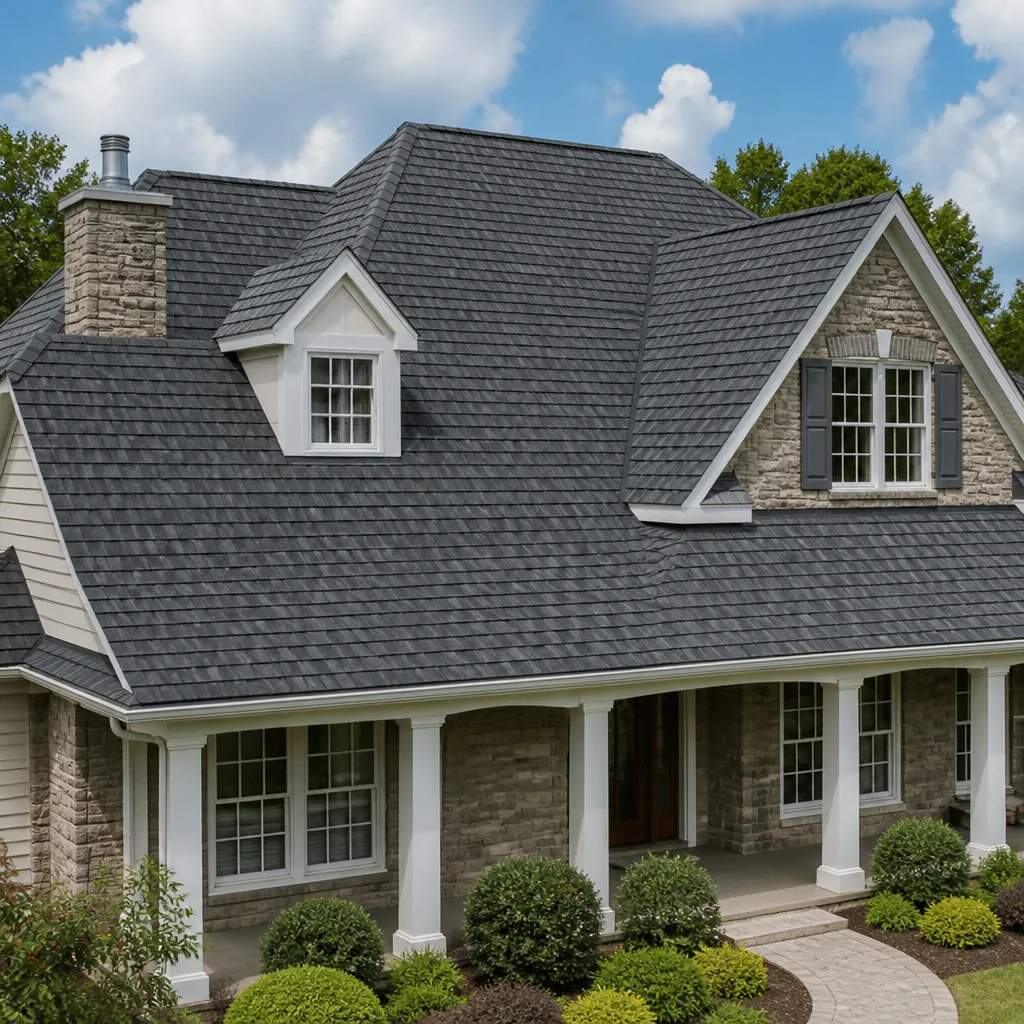
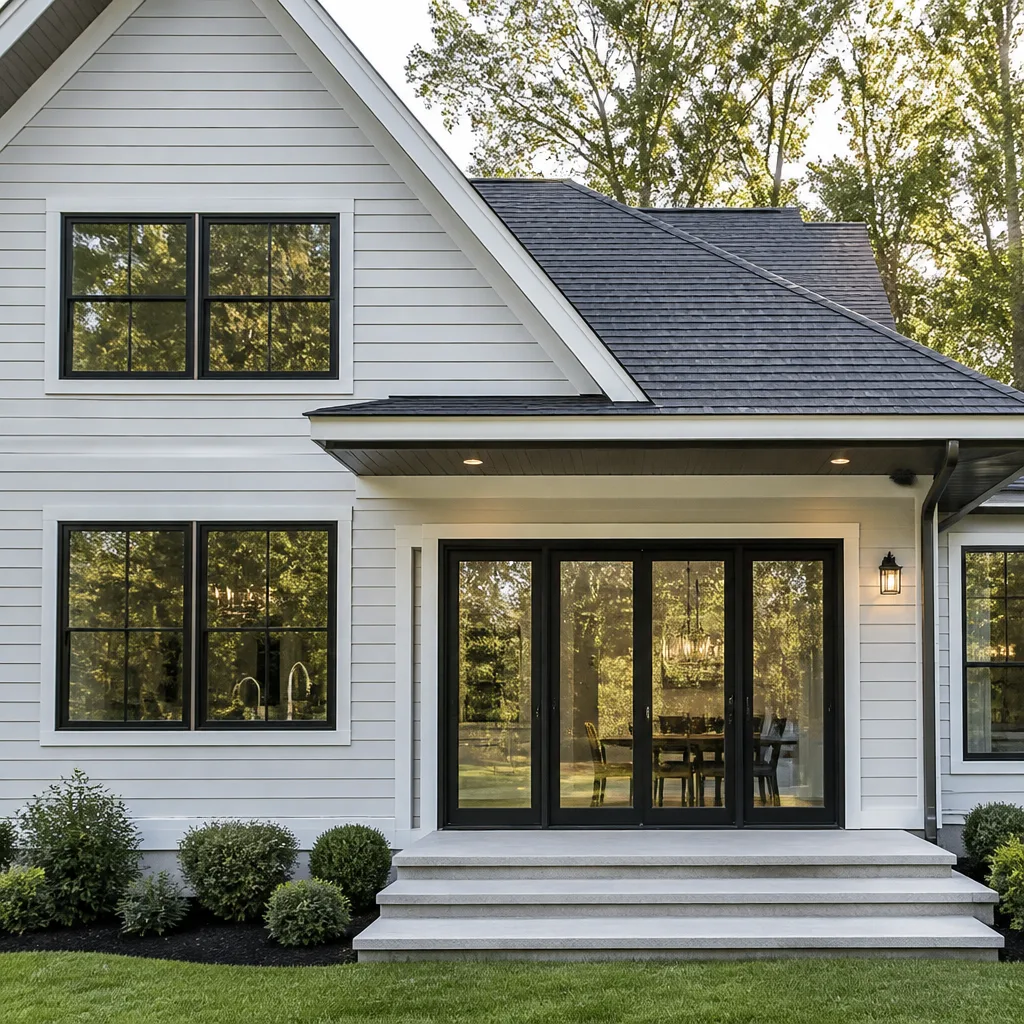
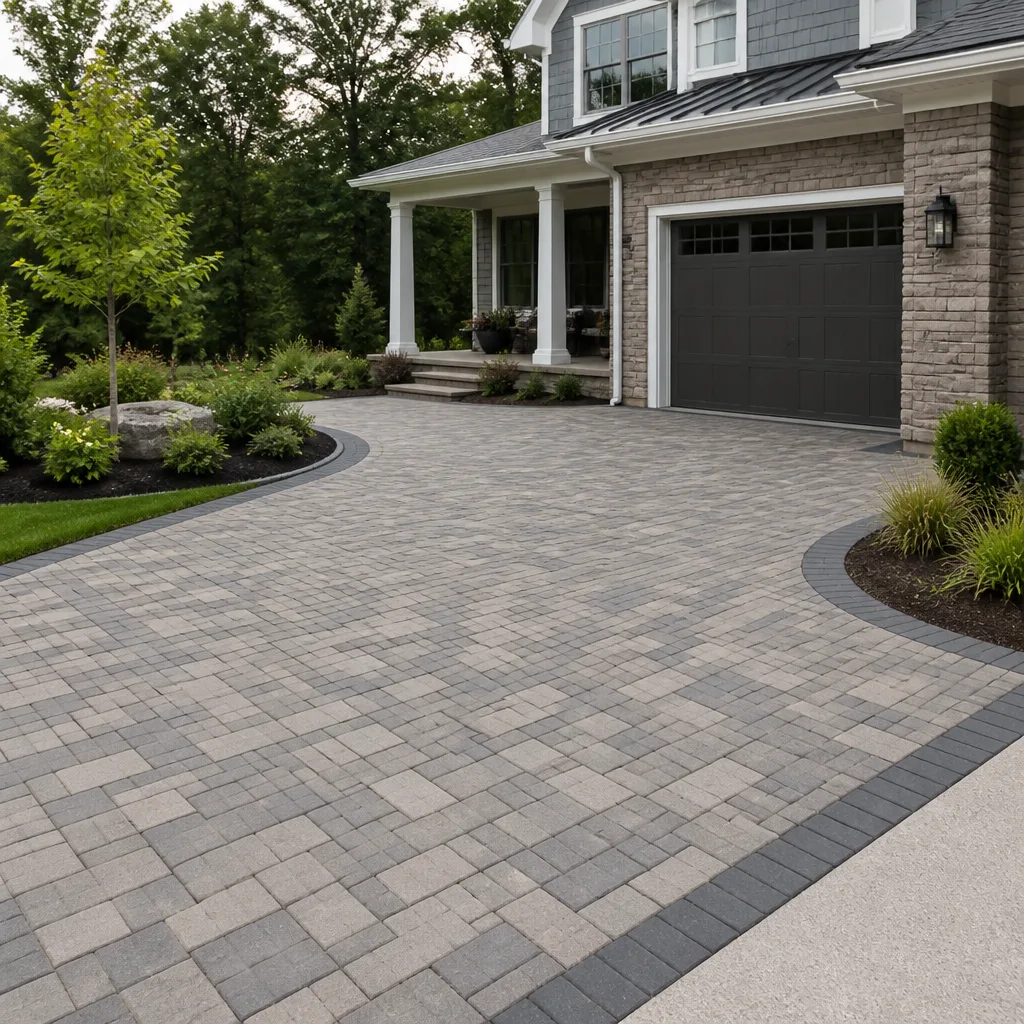
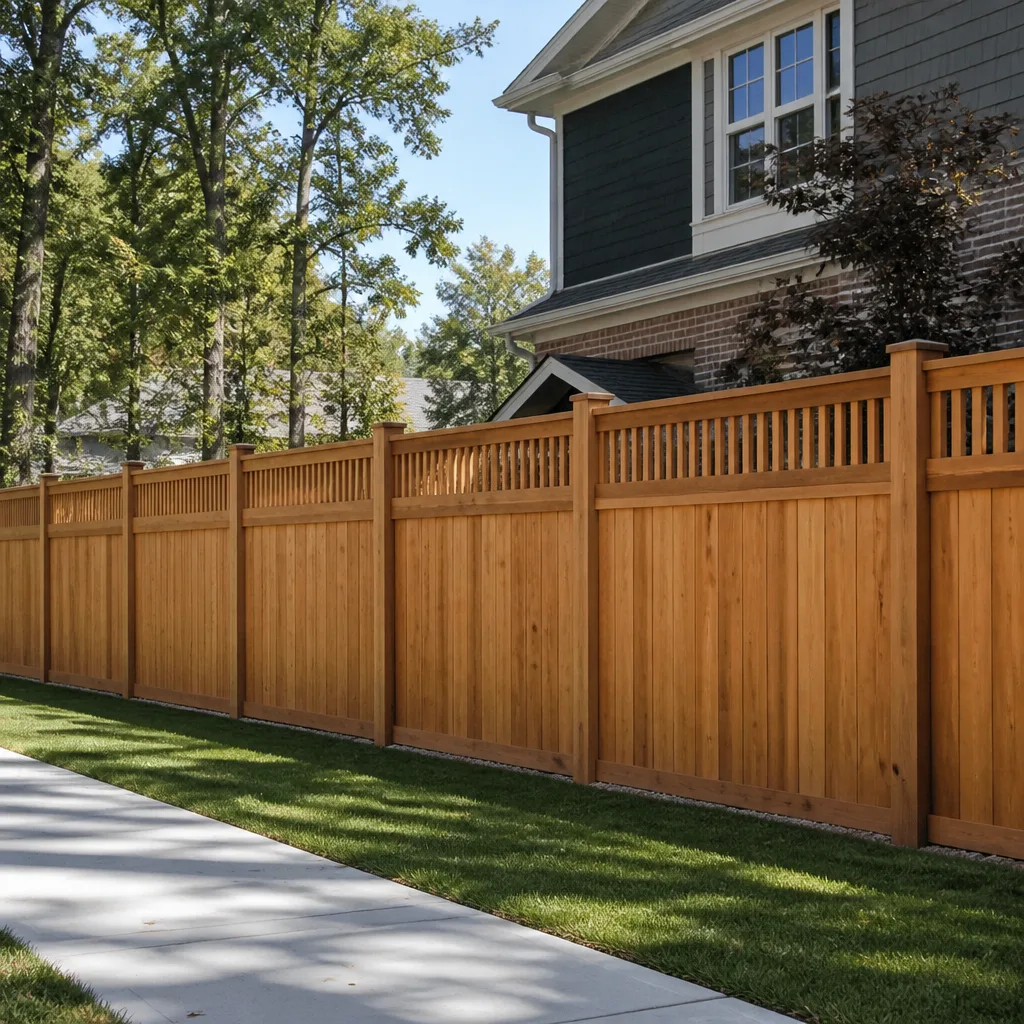
Signs Your Unilock Home Additions & ADU Is Failing
- Pavers are sinking in one corner of the patio or walkway. This almost always means the base layer has eroded or was never compacted deeply enough. In Pasadena, gophers and ground squirrels do more base damage than weather, and we see their tunnels under failed sections all the time.
- Wall blocks are leaning or showing a gap at the seam. Retaining walls need drainage gravel behind them; when it’s missing, pressure builds after rain. A slight lean now becomes a collapse in the next heavy storm.
- Polymeric sand is washing out between joints on a slope. If your patio or walkway has any grade to it, standard sand will wash toward the low end. We use a high-bond polymeric sand rated for slopes and Pasadena’s rain patterns.
- Edge restraints are exposed or sticking up above the paver surface. This is a trip hazard and a sign the original install skimped on spikes or used thin plastic edging that warped in the heat. Exposed edges also let the whole field drift outward.
- A paver is cracked all the way through, not just chipped. That’s usually a point load problem: a heavy planter, a car tire over a shallow base, or a tree root pressing up from beneath. Replacing one paver without fixing what’s under it means doing the job again in six months.
See the difference
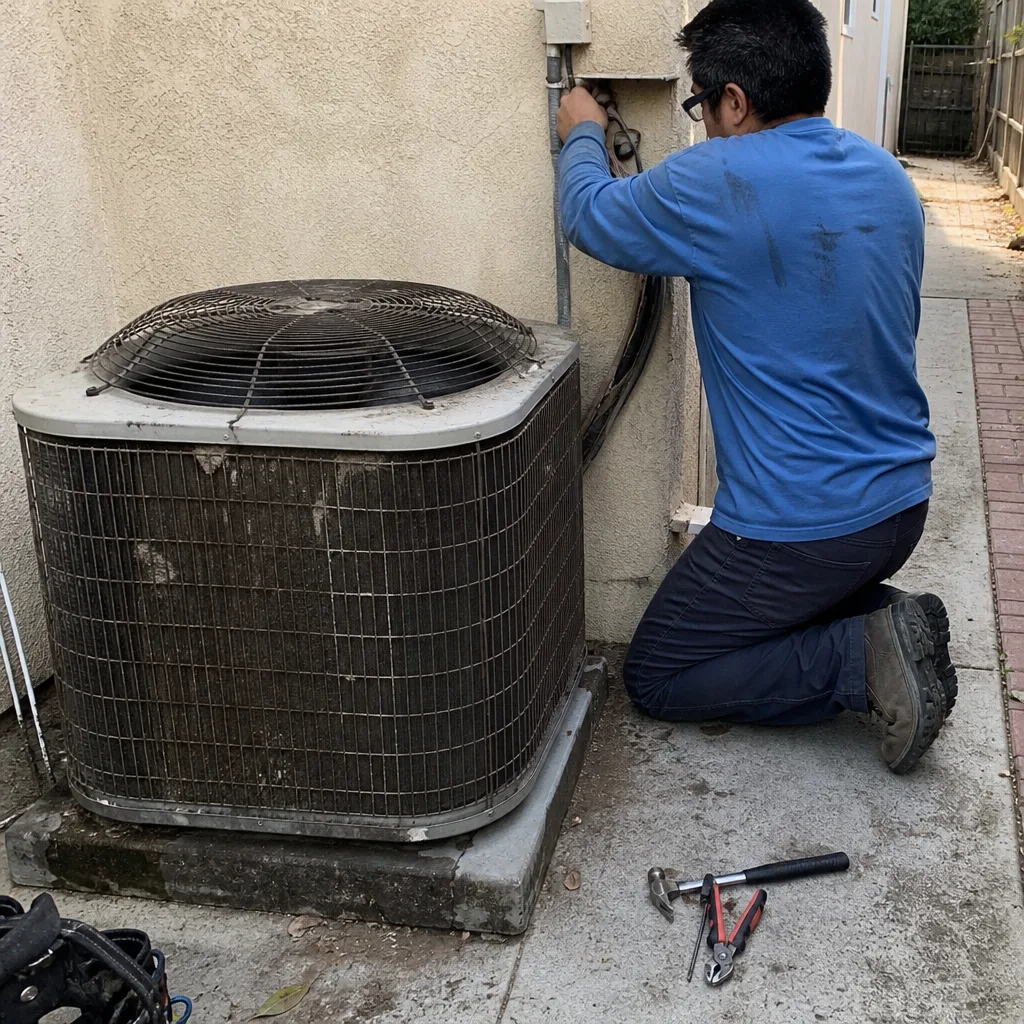 Before
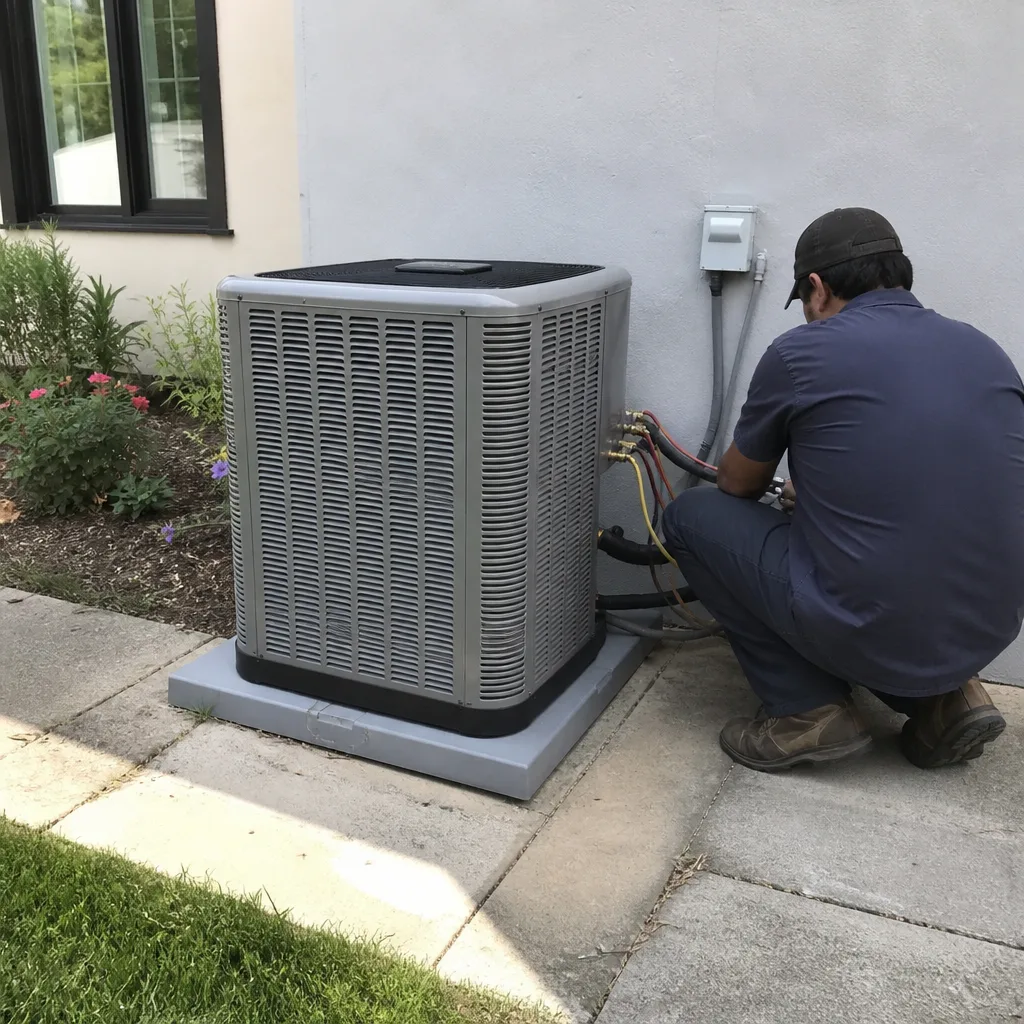 After
After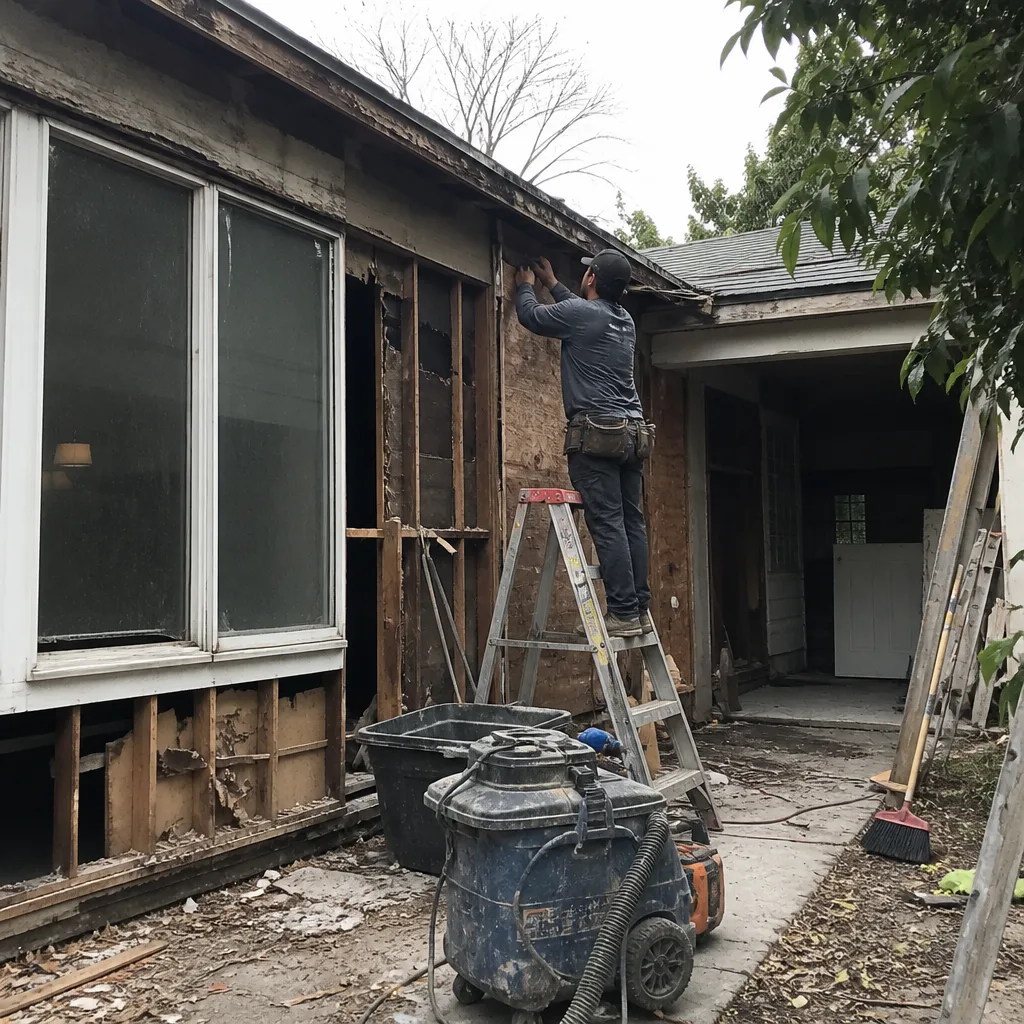 Before
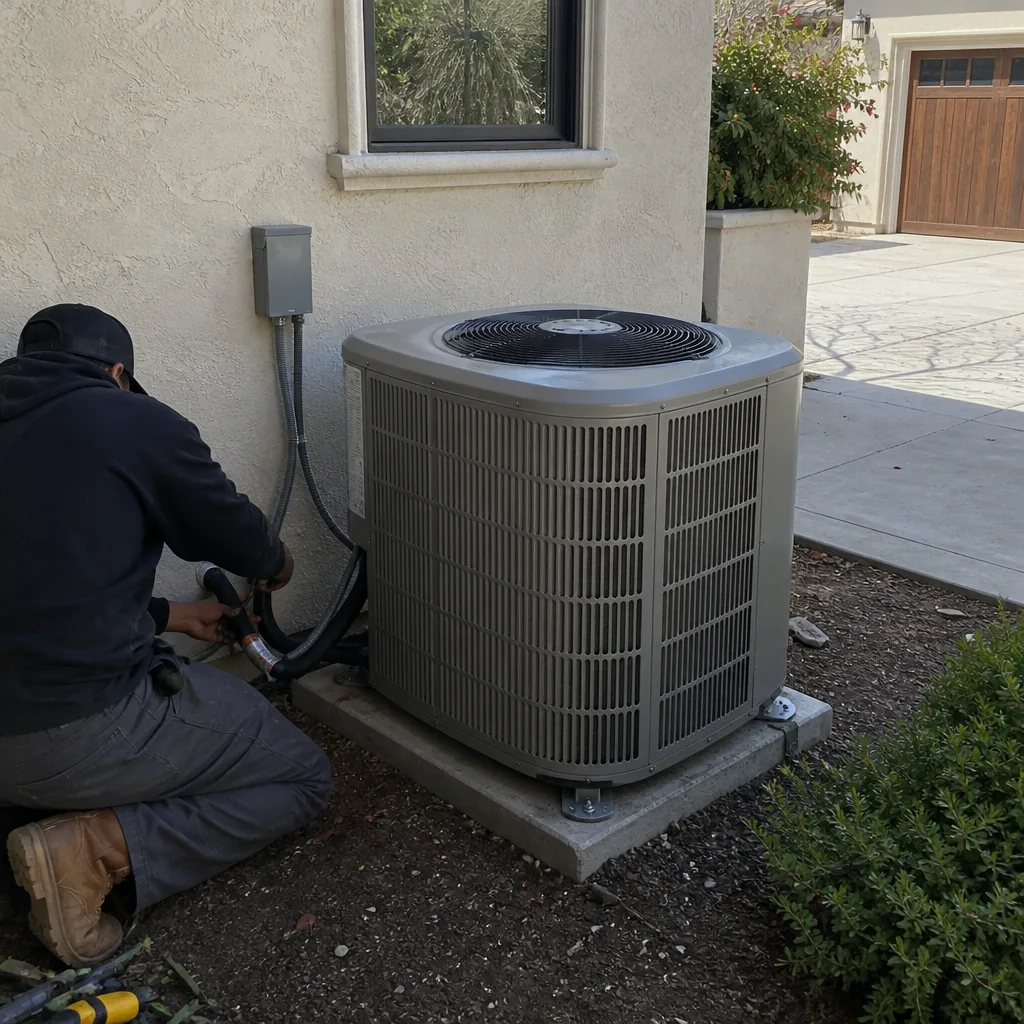 After
After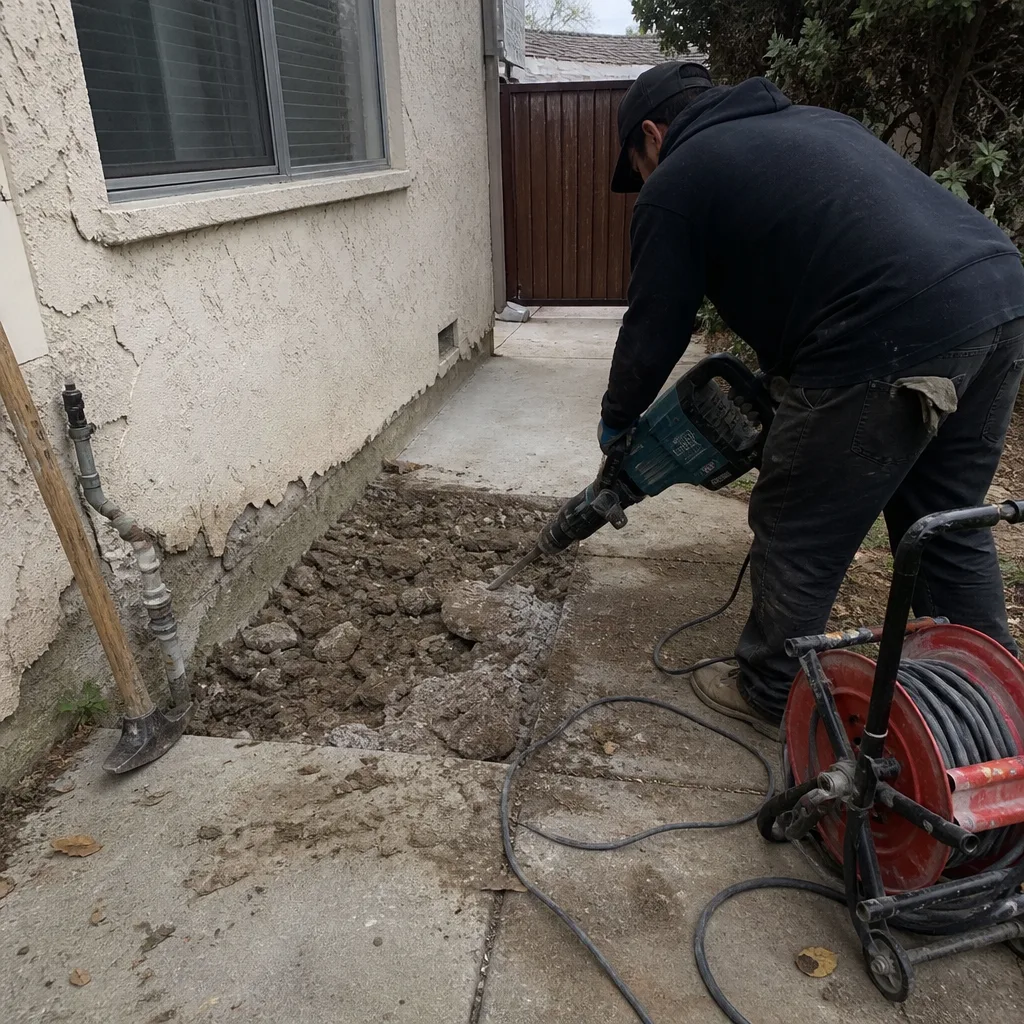 Before
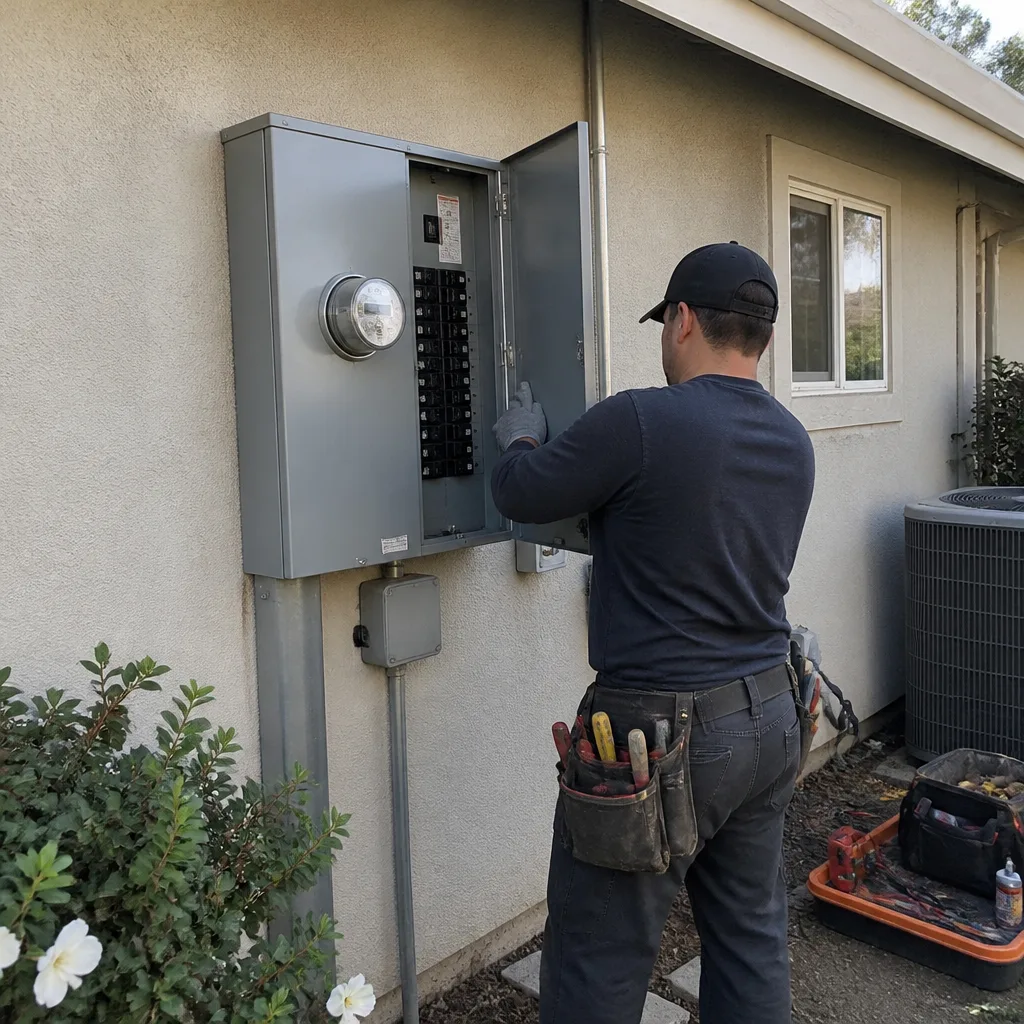 After
AfterReplacement Cost & What’s Included
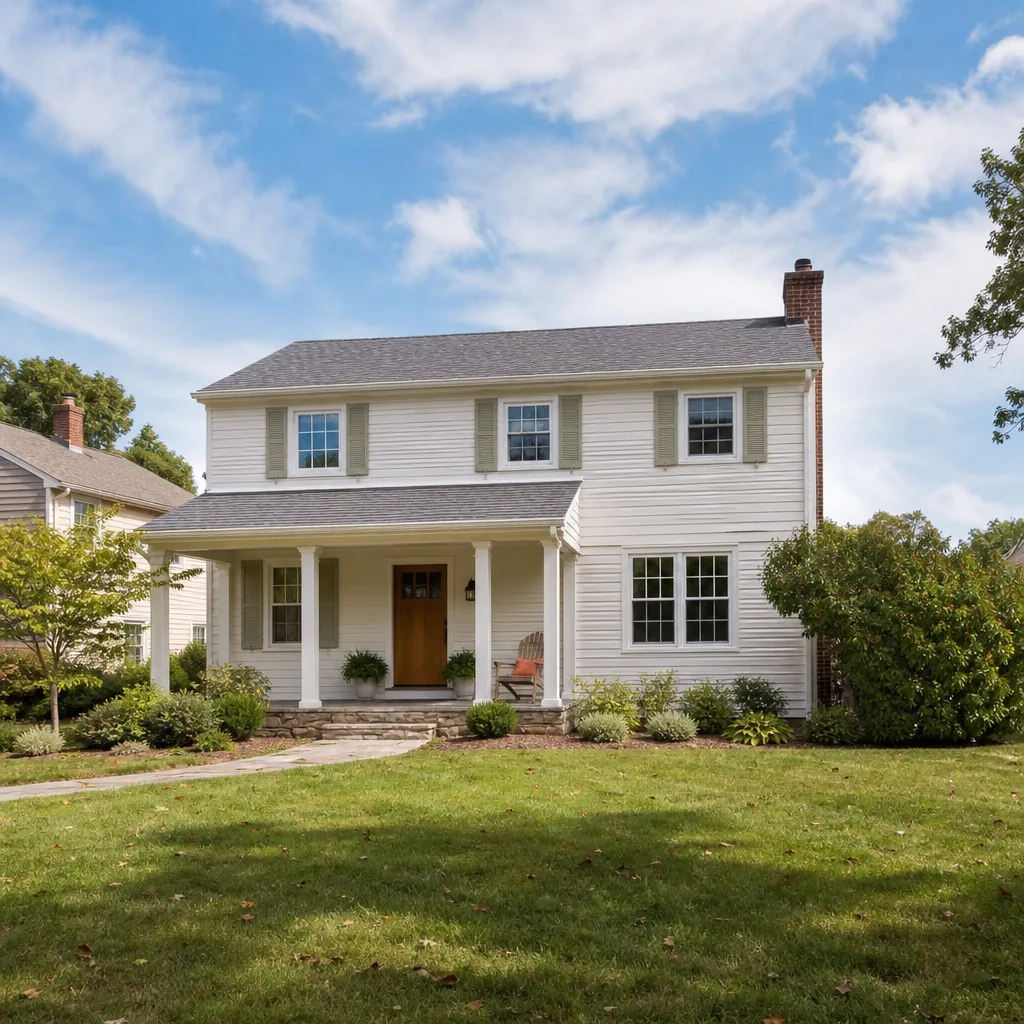
For Unilock-specific repairs and ADU site preparation in Pasadena, here’s what to expect:
- Paver patio repair or partial reset: $3,500 to $11,000 depending on square footage, base rebuild depth, and how many pavers need replacing
- Retaining wall rebuild with Unilock blocks: $4,000 to $12,000 for a typical 20 to 40 linear foot wall, including drainage gravel and geogrid where required
- Full Unilock home addition or ADU project: $45,000 to $130,000, with site prep, foundation, structural, plumbing, electrical, and hardscape finish
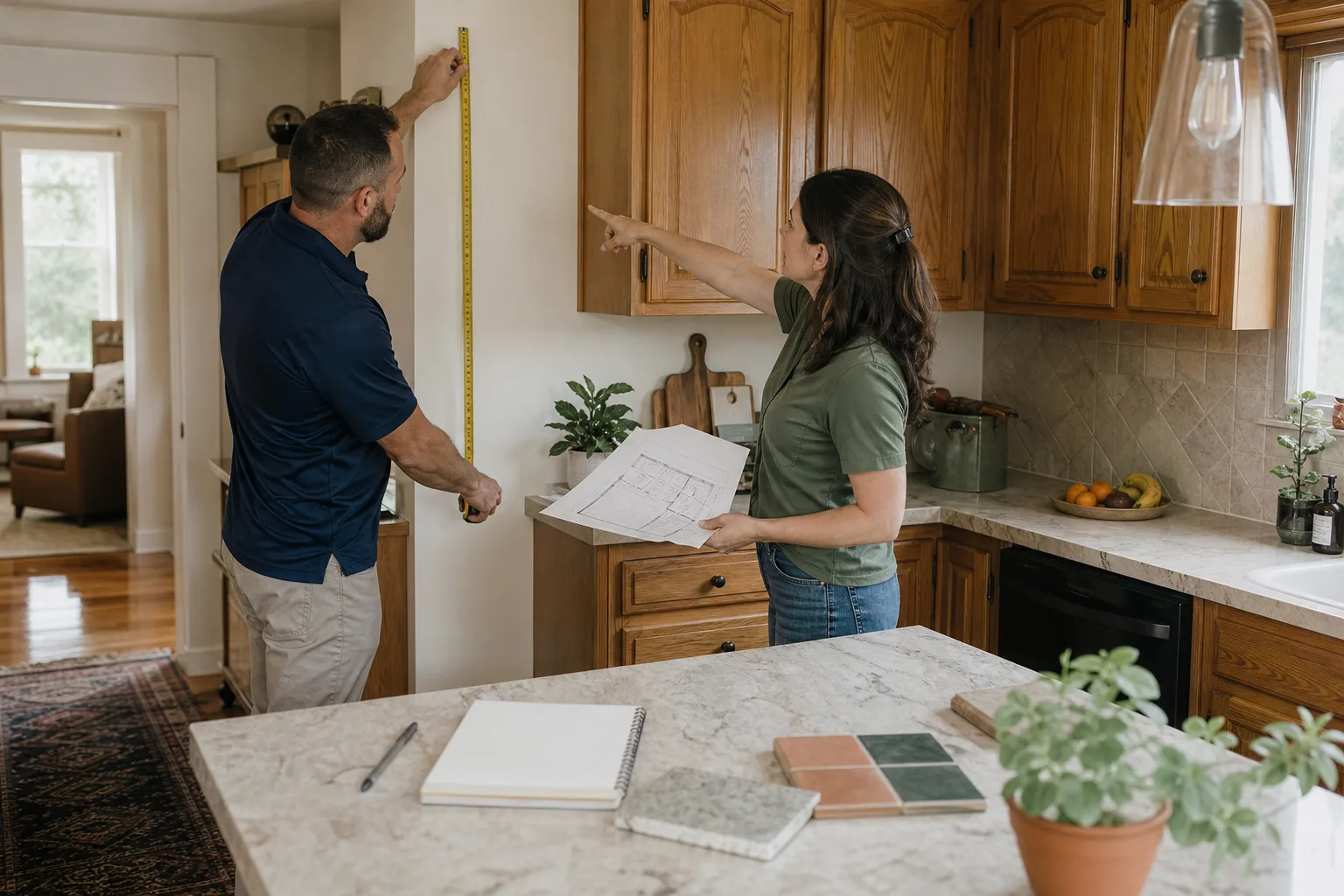
Every number we give you is written down before any work starts. The line items separate materials, labor, haul-off, and compaction, so you know what you’re paying for. Graham Stein puts that written scope in front of every Pasadena homeowner before a single drop cloth goes down, because a family should know exactly what will happen to their house and their yard before it happens. The price you see on paper is the price you pay at the end – no footnotes.
DIY or Call Us?
You can safely inspect a failing paver section yourself: walk the area after a rain, check for pooling water, press on pavers with your heel to feel for movement, and look for exposed edging. That’s useful information to have when you call us, and it helps us quote accurately over the phone.
What we don’t recommend is pulling pavers out of the middle of a field. Once you lift one paver and disturb the sand bed, the interlock starts working against you, and you can easily end up with a wavy section that’s harder to fix than the original problem. Retaining walls are the bigger safety concern: a wall over three feet tall in Pasadena needs an engineered footing and proper drainage, and guessing at either one is how walls fall on people. If a wall is leaning or cracked, call us at (626) 714-2992 before you touch it. We’ll send someone who knows what they’re looking at.
FAQs
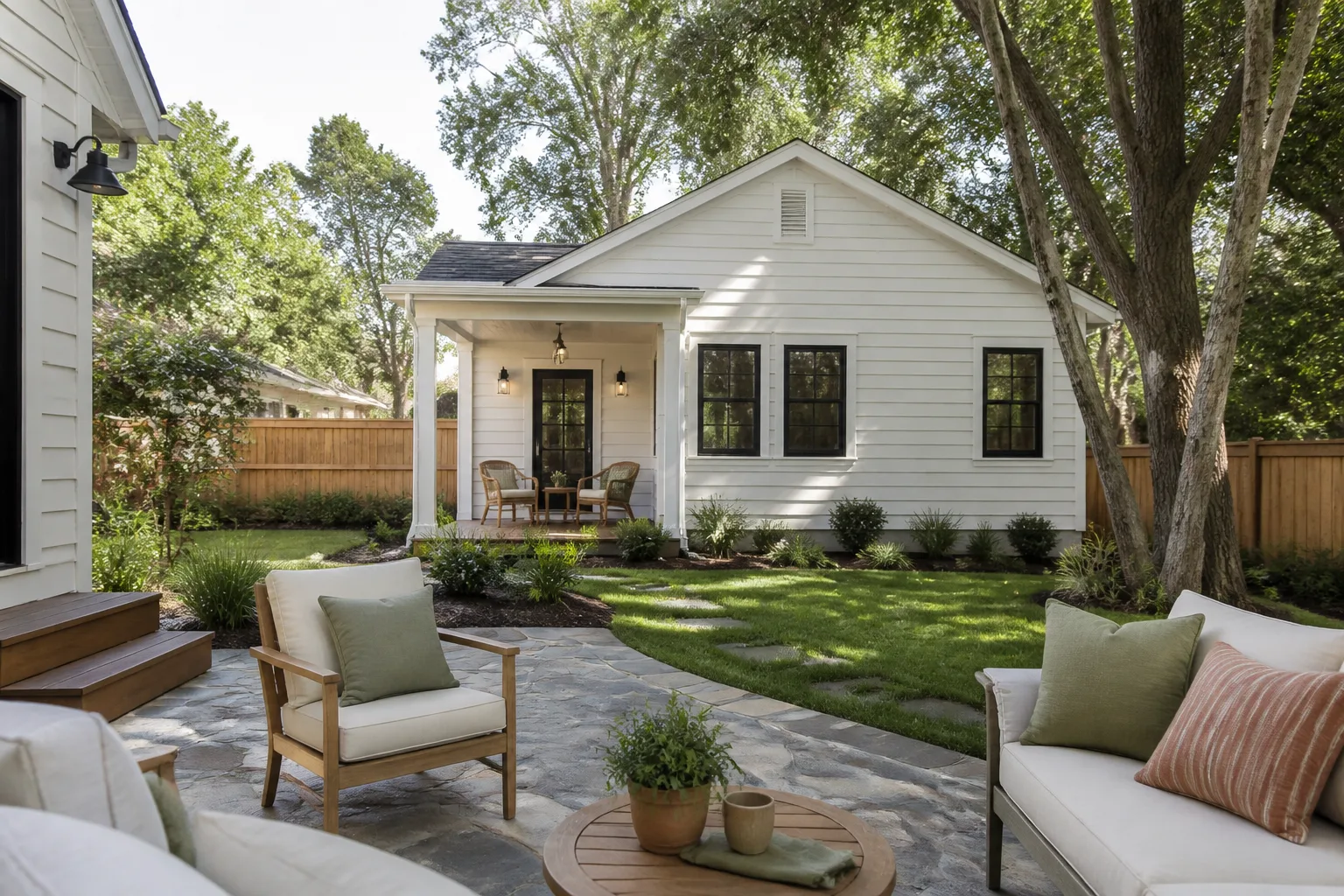
Unilock pavers are rated for a 25-year structural lifespan, but in Pasadena’s climate we typically see 15 to 20 years before a base reset is needed, mostly due to soil movement and irrigation overspray eroding the joint sand. Proper drainage and a compacted base extend that significantly.
Most patios can be repaired in sections – lift the affected pavers, recompact the base, reset the sand bed, and relay the same pavers if they’re intact. Full replacement only makes sense when the base has failed across most of the area or the pavers are too faded or cracked to match. Call (626) 714-2992 and we’ll tell you honestly which one you’re looking at.
A paver repair or wall rebuild typically takes 2 to 4 days including haul-off and compaction. A full ADU or home addition runs 4 to 8 months depending on Pasadena permitting timelines, and we handle the permit submittal and inspections as part of the written scope.
We keep the most common Unilock Estate Series pavers and U-Cara wall blocks on our trucks for Pasadena jobs, along with edge restraints, geotextile, and polymeric sand. For less common colors or the EnduraColor line, we order from the local Unilock distributor and typically have materials on site within the week. We also stock parts and materials for KraftMaid, Cambria, and Silestone projects.
Call (626) 714-2992 for a free estimate on your Unilock repair or ADU project in Pasadena. We answer the phone with a live person, and we’ll give you a written price before any work begins.
Written by Graham Stein, Owner, Elmstead Remodeling Pasadena at Elmstead Remodeling Pasadena, serving Pasadena and nearby areas.