Last updated October 15, 2026



Free written scope consultation - allowances, timeline, and change-order rules on paper before a single trade is scheduled
DIY vs Professional Construction: The Pasadena Homeowner’s Decision Guide
In California, a homeowner who pulls an owner-builder permit for a renovation becomes legally responsible for verifying every subcontractor’s workers’ compensation coverage. One uninsured worker injured on the job can trigger a personal liability claim that costs more than hiring a licensed contractor would have cost in the first place. That single fact changes the entire DIY-versus-hire conversation for Pasadena homeowners, and most guides never mention it. This guide walks through the real decision framework, including Pasadena’s permit rules, HPOZ restrictions, the six-year resale disclosure rule, and the projects where doing it yourself is genuinely smart versus genuinely risky. For more, see our more guides & resources.
Quick Answer
The DIY-versus-hire decision in Pasadena is less about skill and more about legal exposure. Interior paint, cabinet hardware, and tile backsplashes are safe for most capable homeowners. Structural work, roofing, electrical, and anything requiring a permit carries liability and insurance risk that a licensed contractor’s policy covers and a homeowner’s policy typically will not. Before starting any project, ask one question: does this job require a permit in Pasadena? If the answer is yes, the calculation changes immediately. Our How to Hire a Construction Contractor in Pasadena: A Step-by-Step Guide can help you find the right professional.
Styles & brands we work with
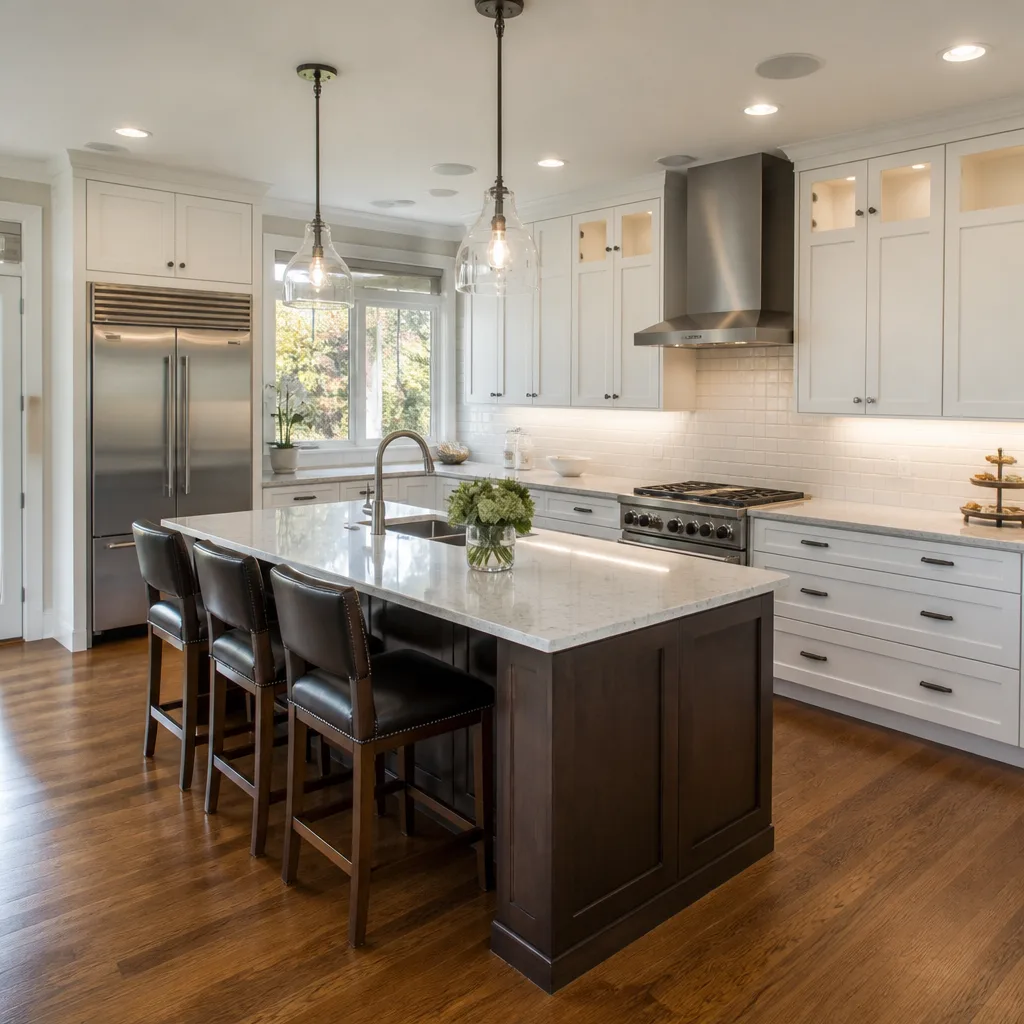
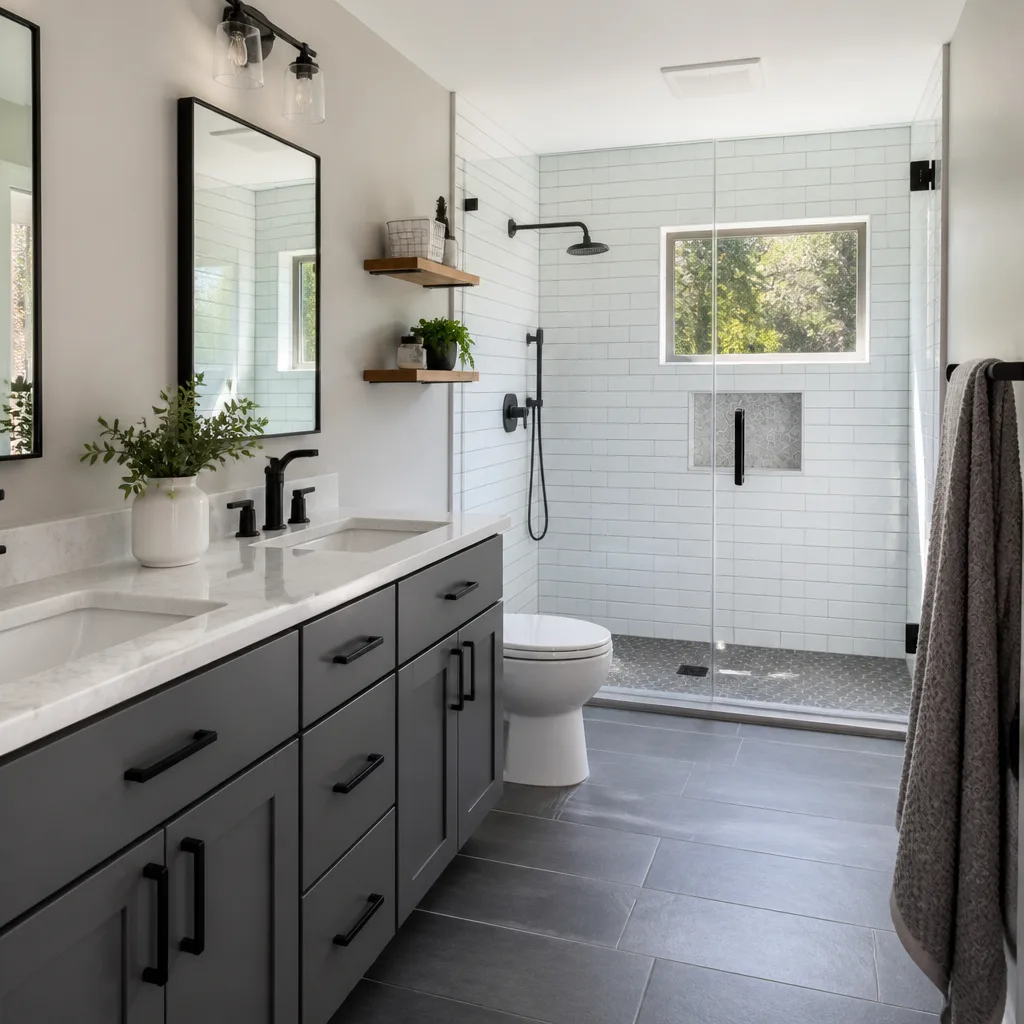


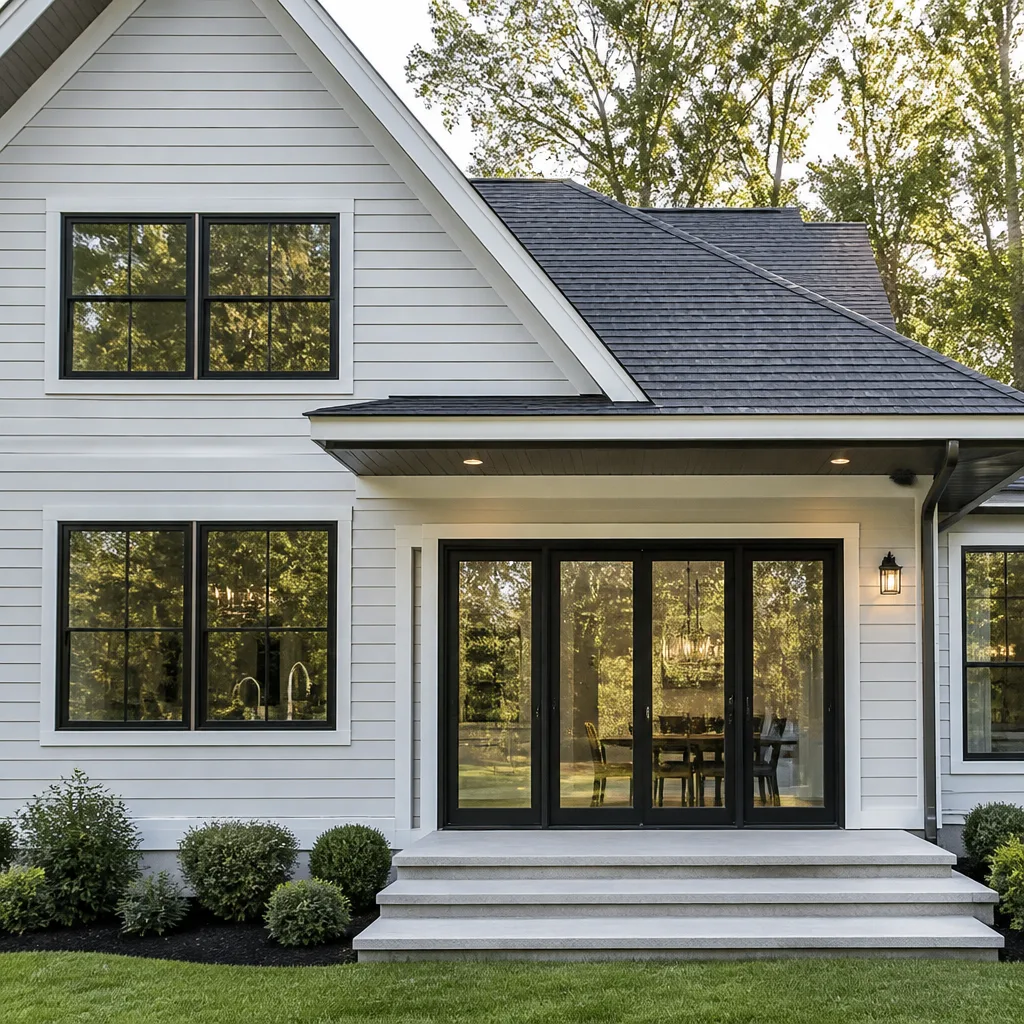
Table of Contents
- The California Owner-Builder Permit Rule: What It Actually Means
- The Pasadena DIY Tier System: Green, Yellow, Red
- How Pasadena’s HPOZ Rules Change the DIY Math
- The Real Cost of DIY: What Most Calculators Miss
- Insurance Voids and Liability: Where Unlicensed Work Gets Dangerous
- Lead Paint and Asbestos: The Hidden Hazards in Older Pasadena Homes
- Why Professional Work Protects Families with Children and Pets
- The Pasadena Permit Process: What a Homeowner Faces Alone
The California Owner-Builder Permit Rule: What It Actually Means
California Business and Professions Code Section 7044 allows a homeowner to act as their own general contractor for work on their primary residence. The homeowner pulls the permit, hires the subcontractors, schedules the inspections, and carries the legal responsibility for the entire project. That sounds like a way to save money, and on paper it is. The general contractor markup in Pasadena typically runs 15 to 25 percent of the total project cost. On a $40,000 bathroom remodel, that is $6,000 to $10,000 in potential savings.
But Section 7044 also creates obligations that most homeowners never think about until something goes wrong. When you act as an owner-builder, you become the employer of record for every subcontractor who steps onto your property. California law requires you to verify that each sub carries valid workers’ compensation insurance. If a sub is uninsured and gets injured on your job, the claim lands on your homeowners insurance policy. Many homeowners’ policies in California exclude claims arising from owner-builder projects where the homeowner acted as a general contractor. That means the claim could land on you personally.
The math is sobering. A workers’ comp claim for a serious injury, a fall from a ladder, a back injury from hauling drywall, can easily reach $150,000 to $400,000 in medical costs, lost wages, and settlement. A licensed contractor’s general liability and workers’ comp policies cover that. A homeowner doing an owner-builder permit often is not covered. The $8,000 saved on contractor markup disappears against a six-figure personal liability claim.
Here is the sequence of steps an owner-builder permit legally requires, in order:
- Confirm the project qualifies under the owner-builder exemption (the property must be your primary residence and you must not intend to sell it within one year).
- File the owner-builder permit application with Pasadena’s Building and Safety Division.
- Submit plans if the scope of work requires them, structural plans always do.
- Hire each subcontractor and request current workers’ comp certificates before they start work.
- Schedule and pass each inspection with the city at the required stage.
- Maintain records of every inspection, sub contract, and insurance certificate.
- Disclose the owner-builder permit on any future sale within six years of completion.
That last point deserves its own paragraph. California Civil Code Section 1102 requires sellers to disclose any owner-builder work performed within the previous six years. The California Association of Realtors’ Transfer Disclosure Statement includes a specific question about owner-builder permits. Buyers’ agents in the Pasadena market routinely flag that disclosure and ask for documentation of every sub, every insurance certificate, and every passed inspection. Title companies sometimes require proof that all subs were properly insured before they will clear the title. If you cannot produce that paperwork, the sale can stall, the price can drop, or the deal can collapse entirely.
In our experience with Pasadena remodels, the owner-builder route makes sense for a homeowner with construction experience who plans to stay in the home for at least seven or eight years and who is willing to manage the documentation carefully. For everyone else, the risk is not theoretical. It is a disclosure requirement on a legal document that follows the property.
The Pasadena DIY Tier System: Green, Yellow, Red
Not every project needs a contractor. The smart approach is to sort every job into one of three categories before you pick up a tool. This tier system reflects Pasadena’s specific permit requirements and building codes, not generic national advice. For a full maintenance schedule, see our General Contractor Maintenance Checklist for Pasadena Homeowners.
Green Tier: Genuinely Safe for Capable DIYers
These projects do not require a permit in Pasadena, do not touch structural systems, and do not create insurance complications. They are also the projects where a homeowner’s time investment pays off most directly.
- Interior painting of walls and ceilings. No permit needed. The cost is paint, tape, drop cloths, and time. A 400-square-foot room typically runs $120 to $220 in quality paint and supplies.
- Cabinet hardware replacement. Swapping knobs and pulls takes an afternoon and costs $3 to $15 per piece at local Pasadena hardware stores.
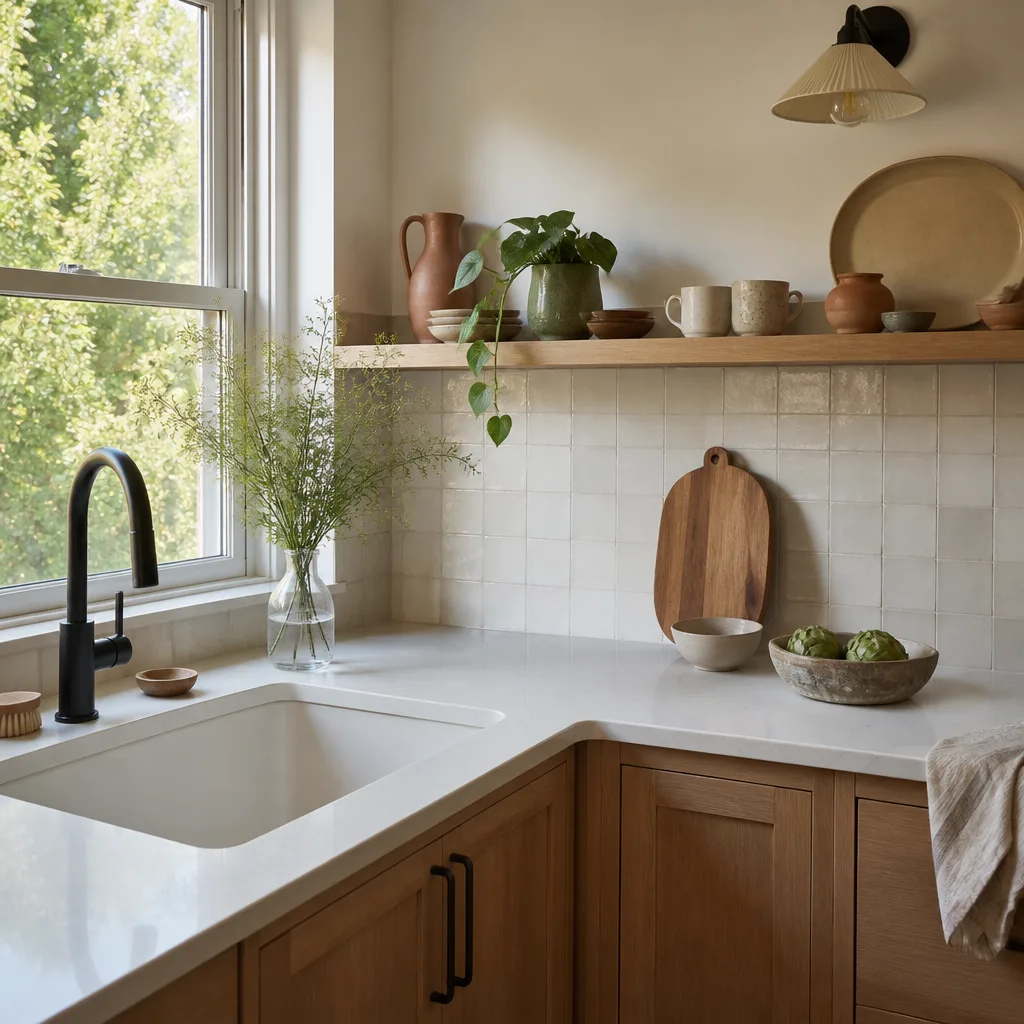
- Tile backsplash in a kitchen or bathroom. This requires patience, a wet saw rental (about $40 to $60 per day), and careful layout, but no permit.
- Caulking and regrouting around tubs, sinks, and countertops. Minor cosmetic work that keeps water out of walls until a larger remodel happens.
- Light fixture replacement where the existing wiring and box are unchanged. Pasadena follows the California Electrical Code, which allows like-for-like fixture swaps without a permit.
These are the projects where the DIY math actually works. A tile backsplash in a Pasadena kitchen typically costs $1,200 to $2,800 for professional installation. Doing it yourself costs $300 to $600 in materials plus a weekend. The risk is low, the savings are real, and no government agency will ask about it later.
Yellow Tier: Requires a Licensed Sub, Not a General Contractor
These projects require permits and licensed tradespeople, but you do not necessarily need a general contractor to coordinate the whole job. What you need is the right licensed specialist and the willingness to manage the schedule yourself.
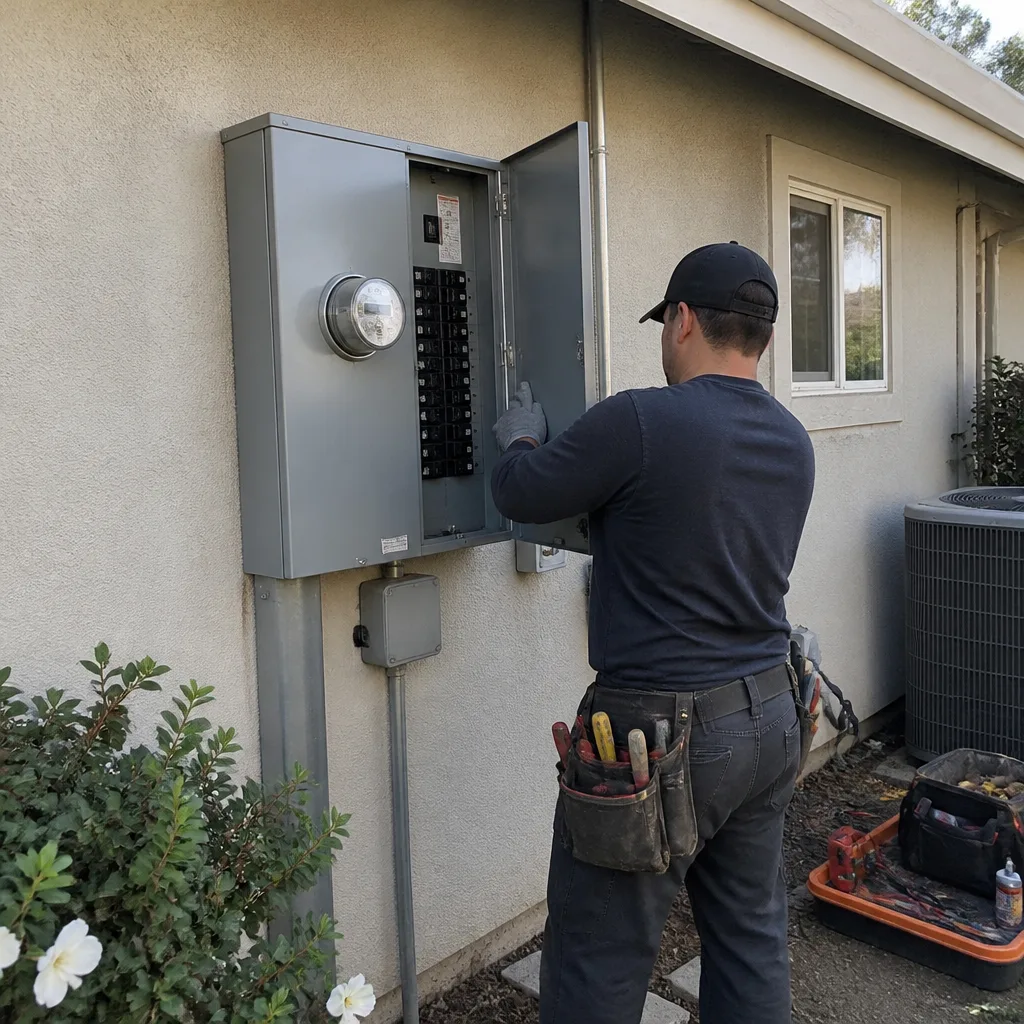
- Electrical panel upgrades. This requires a licensed electrician, a permit, and an inspection. A 200-amp panel upgrade in Pasadena typically costs $3,500 to $6,000. Do not attempt this yourself. The danger is real and the permit is mandatory.
- Water heater replacement. Pasadena requires a permit for water heater installation, and the work must be done by a licensed plumber. A licensed plumber will pull the permit, install the unit, and schedule the inspection, often in one visit.
- New window installation, when the rough opening stays the same size. The Pasadena building code requires a permit, and window replacement companies have the license and insurance the city requires.
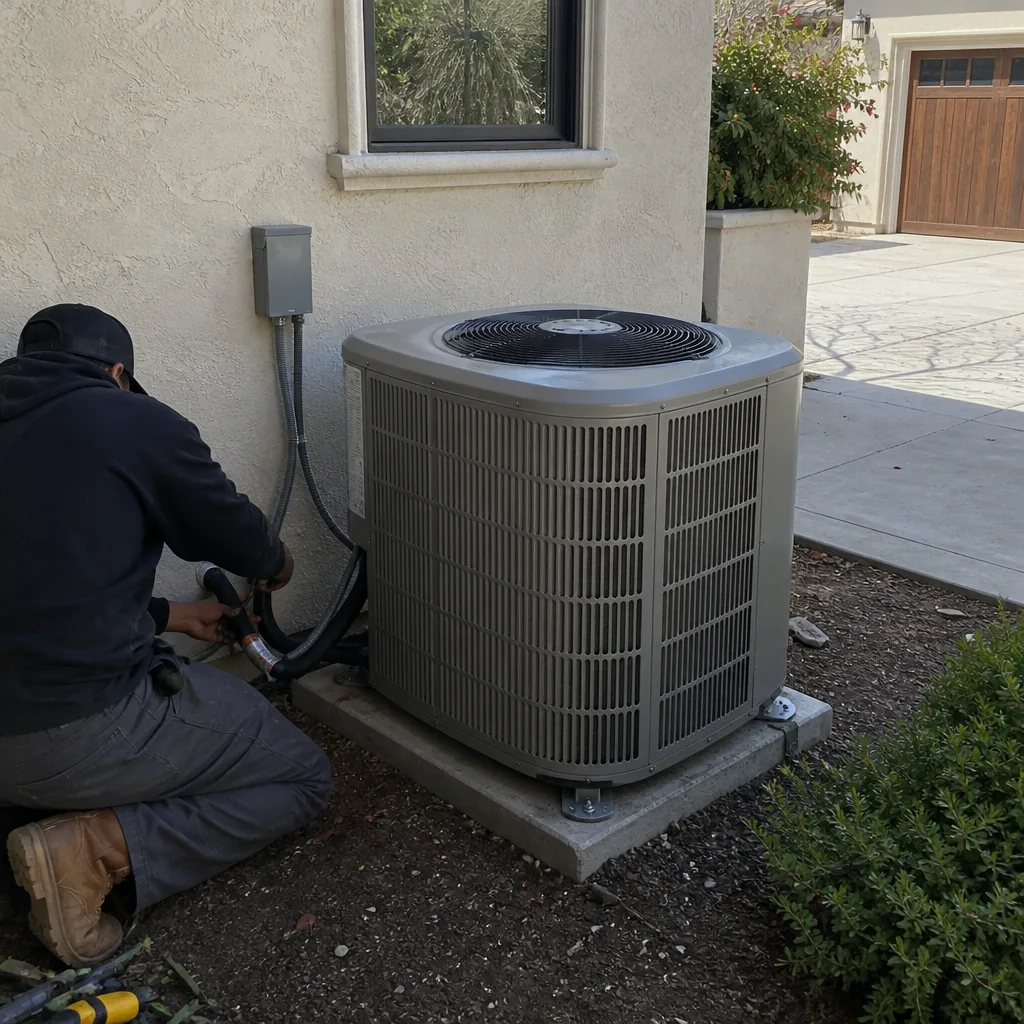
- Roof repairs. Any roofing work beyond replacing a few shingles requires a permit and a licensed roofer. Pasadena’s climate, with its hot, dry summers and occasional heavy winter rains, means improper flashing fails fast.
In the yellow tier, you save the general contractor markup but you still pay licensed specialty trades. The tradeoff is your time: you coordinate schedules, you make sure permits get pulled, you check that each sub is properly insured, and you deal with any inspection failures. For a homeowner with a flexible schedule, that tradeoff can be worth it. For a family where both parents work full-time, it often is not.
Red Tier: Never DIY, No Exceptions
These are the projects where unlicensed work creates immediate insurance voids and real physical danger. The cost of fixing a botched job in this tier often exceeds the cost of doing it right the first time. Protect your investment year-round with Seasonal Construction Care for Pasadena: Year-Round Homeowner’s Guide.
- Structural changes. Moving a wall, removing a beam, cutting into a foundation, adding a doorway in a load-bearing wall. This requires structural engineering, a permit, and a licensed contractor. A structural failure in an earthquake zone, and Pasadena sits in one, is a life-safety issue.
- Roof replacement or any structural roofing work. A roof that is not properly installed will leak, and the first serious winter rain will find every mistake. Pasadena’s building code requires specific underlayment and flashing details that only a licensed roofer will know.
- Any permitted scope of work done without the permit. This is the most common mistake we see. A homeowner decides to move a bathroom wall “just a few inches” without a permit, and five years later the home inspection before a sale flags it. The seller either pays to legalize the work or drops the price. A General Contractor in Pasadena will pull the permit before the first wall is opened.
- Gas line work. Moving a gas line for a stove, dryer, or water heater requires a licensed plumber with a gas certification and a permit. A gas leak is the kind of mistake you may not notice until it is too late.
- Anything involving high-tension springs or high-voltage wiring. Garage door springs, main electrical service, anything that can kill or maim if it fails mid-repair.
How Pasadena’s HPOZ Rules Change the DIY Math
Pasadena has more Historic Preservation Overlay Zones than nearly any city of its size in California. Bungalow Heaven, Garfield Heights, Madison Heights, and Arroyo Terrace are all HPOZ districts, which means exterior changes to homes in those neighborhoods must pass design review before any work starts. Here is what many homeowners do not realize: the design review requirement applies regardless of who performs the labor. You cannot sidestep the HPOZ process by doing the work yourself on a weekend.
If you live in a Pasadena HPOZ and you want to replace your windows, change your front door, add a porch light, repaint the exterior in a different color, or alter anything visible from the street, you need a Certificate of Appropriateness from the city’s Design and Historic Preservation division. The review looks at the proposed design, the materials, and the compatibility with the historic character of the district. That process takes time, and it does not get shorter because you are planning to install the window yourself.
For interior work, HPOZ rules do not apply. A kitchen remodel inside a Bungalow Heaven craftsman does not need design review unless the work changes the exterior or the roofline. But the moment the remodel touches a window, a door, or an exterior wall surface, the HPOZ process triggers.
Here is the practical implication for homeowners. If you are planning an exterior project in a Pasadena historic district, the design review paperwork and waiting period are part of the job whether you hire a contractor or not. A licensed contractor who has worked in that HPOZ before will know what the review board looks for, which materials get approved, and how to phrase the application so it passes the first time. A homeowner navigating that process alone often submits an application that gets sent back for changes, adding weeks to the project. The design review fee itself is non-refundable, and resubmission costs more money and more time.
A Kitchen Remodeling in Pasadena project that stays entirely inside the walls usually avoids HPOZ review. But the same house, the same project, that adds a new vent hood exhausting through an exterior wall suddenly triggers the historic review because the vent cap is visible from the street. These are the kinds of details that catch first-time remodels by surprise.
The Real Cost of DIY: What Most Calculators Miss
Every DIY cost calculator online starts and stops with materials. You enter the square footage, it multiplies by a cost per square foot, and it spits out a number that looks like a fortune saved. Then you actually start the project, and the real costs show up.
Here is the honest way to calculate the cost of a DIY project in Pasadena, using a 10-by-12-foot bedroom renovation as the example:
- Materials: Drywall, mud, tape, flooring, primer, paint, trim, outlet covers. $1,100 to $1,800 depending on the quality of flooring you choose.
- Tool rental or purchase: A drywall lift is $45 per day, a flooring nailer is $50 per day. A high-quality miter saw will cost $300 to $500 to buy and lasts for future projects. Budget $250 to $400 for tools you do not already own.
- Permit fees if required: Pasadena’s permit fee schedule starts with a base fee, and any structural or electrical work adds to it. A simple remodel permit can run $400 to $900 depending on scope.
- Debris hauling: Pasadena’s trash service will not pick up construction debris. You will need a dumpster rental, typically $350 to $550 for a week, or multiple trips to a transfer station at $40 to $80 per trip plus the vehicle fuel and time.
- Your own time: This is the line item everyone forgets. A bedroom renovation that takes a professional crew four days will take a competent DIYer working weekends three to five weeks. Assign an honest hourly value to your time. Even at $25 per hour, which undervalues most Pasadena homeowners, 60 hours of labor is $1,500.
Add it up and the DIY bedroom costs $3,600 to $5,200 in actual out-of-pocket expense plus 60 to 80 hours of your life. A professional remodel of the same room often falls in the $8,000 to $14,000 range, but that includes the contractor’s labor, the permit management, the debris hauling, and a finished job in under two weeks instead of five. The gap closes fast when you account for everything.
Now run the same exercise for a bathroom. A Bathroom Remodeling in Pasadena project done professionally typically runs $22,000 to $45,000 depending on fixtures and finishes. A DIY bathroom remodel of the same scope often costs $12,000 to $20,000 in materials, permits, tools, and disposal, plus 150 to 250 hours of labor. The savings are real, but so is the time. And a bathroom remodel is not a weekend painter’s project. Waterproofing mistakes behind tile do not show up for months, and by then the damage is done.
Insurance Voids and Liability: Where Unlicensed Work Gets Dangerous
Homeowners insurance policies in California are written for homes that comply with building codes and were worked on by licensed professionals. When a homeowner does unpermitted work or hires unlicensed labor, the insurance company has grounds to deny a claim arising from that work. That denial can apply to the specific project and, in some cases, to the entire policy.
Imagine this scenario, and it is not hypothetical in Pasadena. A homeowner replaces a water heater without a permit, doing the work himself to save money. Six months later, a fitting fails and floods the kitchen below. The insurance adjuster investigates, finds the unpermitted work, and denies the water damage claim on the grounds that the policyholder performed unlicensed plumbing work. The homeowner now faces a $15,000 repair bill out of pocket, and the insurer may choose to non-renew the policy at the next renewal date.
The same logic applies to electrical work. A homeowner who installs a new circuit without a permit and without a licensed electrician creates a code violation. If a fire starts at that circuit, the fire investigator’s report will note the unpermitted work. The insurance company will read that report, and the claim will be denied. These are not rare edge cases. They are the reason California requires permits and licensed labor for electrical, plumbing, and structural work in the first place.
Licensed contractors carry general liability insurance and workers’ compensation coverage. When a licensed contractor like Elmstead Remodeling Pasadena performs work on your home, that insurance is in place from the first day of demolition to the final walkthrough. The contractor’s policy covers property damage and worker injuries. Your homeowners policy is never put at risk. That protection is part of what you are paying for when you hire licensed labor, and it is not something a DIY project can replicate.
There is one more angle worth naming directly. When you sell a Pasadena home, the Transfer Disclosure Statement asks whether any work was done without permits or by unlicensed contractors. Answering yes does not necessarily kill the sale, but it gives the buyer leverage to demand a price reduction, and it gives the buyer’s agent a reason to flag the property as higher risk. In a market like Pasadena’s, where buyers are sophisticated and inspections are thorough, that disclosure has real dollar consequences.
Lead Paint and Asbestos: The Hidden Hazards in Older Pasadena Homes
Pasadena’s housing stock is older than most Southern California cities. Thousands of homes in the city were built before 1978, the year lead paint was banned for residential use, and a large share were built before 1980, when asbestos use in building materials was phased out. That fact matters for any renovation, whether the work is done by a homeowner or a contractor.
Lead paint is most dangerous when it is disturbed. Sanding, scraping, or demolition creates lead dust that settles into carpets, lands on windowsills, and gets tracked through the house. Children under six are especially vulnerable to lead exposure, and the health effects are permanent and serious. A professional lead-paint remediation in a pre-1978 Pasadena home involves containment, specific cleaning protocols, and verification that the dust is gone before the family comes back. That is not something a homeowner can approximate with a shop vacuum and some plastic sheeting.
Asbestos is a similar story. Before 1980, asbestos was used in floor tile, pipe insulation, popcorn ceilings, drywall compound, and dozens of other building materials. When those materials are cut, sanded, or demolished, asbestos fibers release into the air. The fibers are invisible, they stay airborne for hours, and they lodge deep in the lungs. Asbestos abatement in California requires specific training, specialized equipment, and in most cases a licensed abatement contractor. A homeowner who tears out a 1960s bathroom wall without testing for asbestos first may be releasing fibers into the house where their children sleep.
The responsible sequence before any wall demo in a Pasadena home built before 1980 is simple:
- Test for asbestos and lead paint before demolition starts. Test kits are available, but a certified inspector provides results that hold up in court if a claim is ever filed.
- If tests come back positive, bring in a licensed abatement contractor for the removal.
- Complete the abatement and get a clearance certificate before the renovation crew starts work.
- Keep the clearance certificate with other project documents for future resale disclosure.
This is where hiring a professional matters most for families with children and pets. A licensed contractor who has worked on older Pasadena homes knows to test before demo, knows which materials in which decades are most likely to contain asbestos, and has established relationships with certified abatement contractors. A homeowner doing a first renovation is unlikely to know any of that, and the stakes of getting it wrong are not a crooked tile or a bad paint line. They are a child’s long-term health.
Why Professional Work Protects Families with Children and Pets
A professional renovation crew is not just about the finished result. It is about what happens to the house during the weeks the work is in progress. For a family with young children and pets, that distinction is the difference between a manageable project and a constant source of stress.
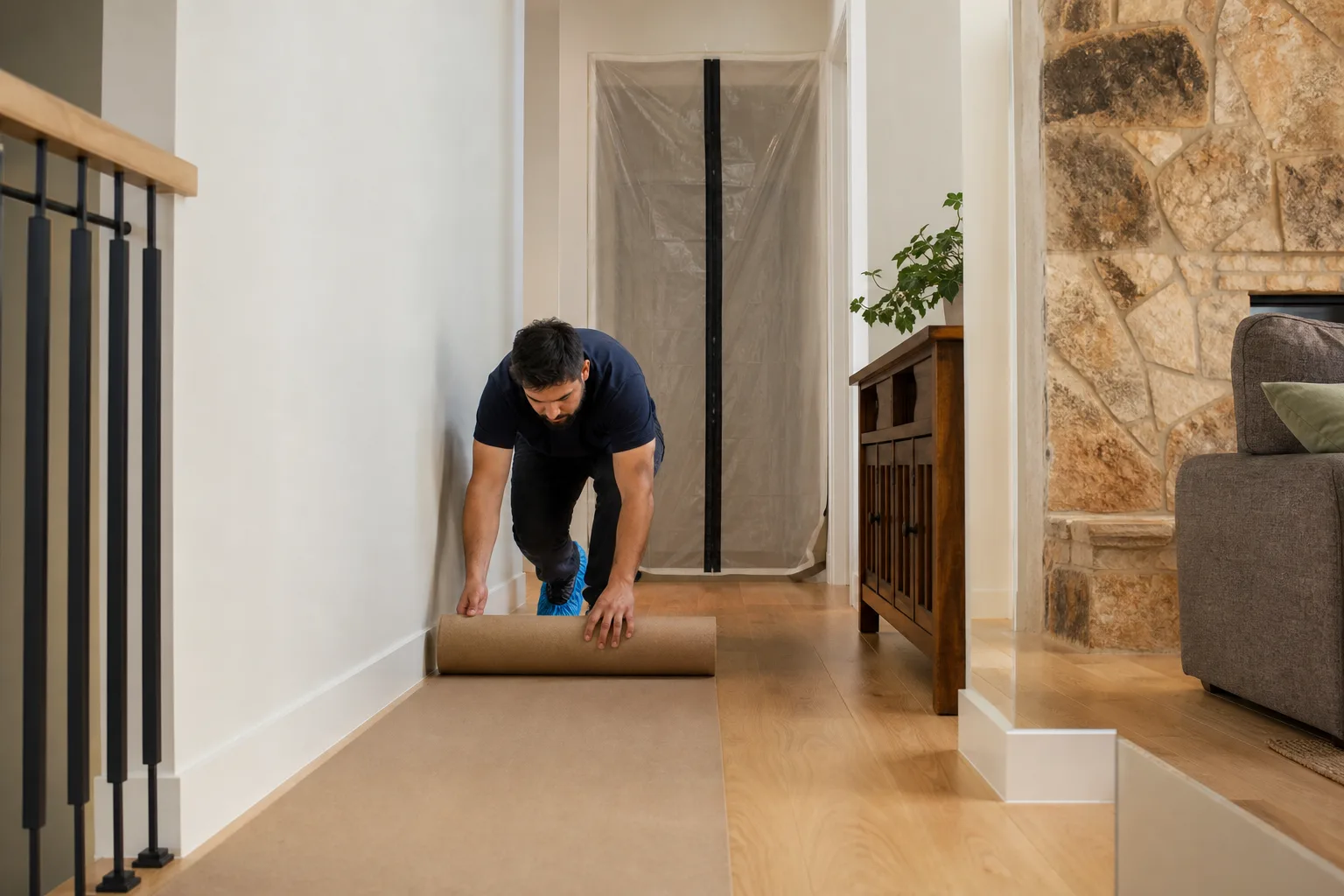
Elmstead Remodeling Pasadena, led by owner Graham Stein, operates under the Cedarwell Care Promise, which governs how the crew treats the home from the first day to the last. The specific protections are not abstract values. They are concrete behaviors: shoe covers at the door on every visit, drop cloths on the floors before any work starts, quiet tools during children’s sleep hours where the work allows it, and pet-safe product choices wherever a pet-safe alternative exists. And before the crew leaves, there is a photo taken of the clean-up so the family can see exactly how the home was left. That photo is included on every job, not offered as an add-on.
Those details matter when you have a toddler who naps at 1 p.m. and a dog who investigates every new smell. They matter when you come home from work and want to make dinner without sweeping drywall dust off the counters first. They are not the reason most people hire a contractor, but they are the reason people stay happy with the contractor they chose.
The written price matters too, and it is worth saying early because it is the first question most families have. Elmstead Remodeling gives a written price before any work starts, every time, on every project. The price on the page is the price you pay. No estimates that grow after the crew arrives, no change orders that appear out of nowhere. For a family budgeting a kitchen remodel alongside childcare costs and a mortgage, that certainty is not a nice-to-have. It is the reason the project is possible at all.
Named-brand materials are part of that certainty. Cabinets from KraftMaid and Wellborn, countertops from Silestone and Caesarstone, fixtures from Kohler and Moen. These are brands a homeowner can research by name, compare at showrooms, and verify warranties for independently. When a remodel uses products from Silestone and Kohler, the family knows what they are getting before the install, and they know exactly who to call if a warranty issue comes up years later.
A Elmstead Remodeling Pasadena home page lays out the full scope of services, from general contracting to whole-home remodels, and it is a useful reference point when comparing contractor options in Pasadena.
The Pasadena Permit Process: What a Homeowner Faces Alone
Pasadena’s Building and Safety Division is the city department that issues permits, reviews plans, and performs inspections for residential construction. The process is designed for contractors who have done it hundreds of times, and it shows. A homeowner navigating it for the first time hits friction at every step.
The process starts with a permit application, which requires a description of the work, a set of plans if the scope requires them, and the appropriate fee. Pasadena uses an online permit portal for many projects, which helps, but the portal assumes you know what type of permit you need. A bathroom remodel that moves plumbing requires a plumbing permit, a building permit, and possibly an electrical permit. A homeowner who files for only one and starts work on all three has just created an unpermitted-work problem.
After the permit is issued, inspections happen at specific stages: after rough framing, after rough plumbing, after rough electrical, after insulation, and at final. Each inspection requires the work to be visible and accessible. If an inspection is scheduled and the work is not ready, the inspector leaves, and the homeowner pays a re-inspection fee and waits for a new appointment. Pasadena’s inspection scheduling typically runs one to two weeks out, so a missed inspection adds real delay.
A licensed contractor handles all of that as part of the job. The permit application, the plan review, the scheduling, the inspections, the corrections if an inspector flags something. For the homeowner, hiring a contractor means that process happens invisibly. The contractor pulls the permit, the contractor deals with the corrections, the contractor gets the final sign-off. The homeowner’s only job is to live with the construction and pay the bill.
The care that goes into protecting the home during that process is the other factor. The 365-Day Done Right Promise that Elmstead Remodeling stamps on every project means that if something is not done right after the job is complete, Elmstead makes it right. That promise covers workmanship for a full year after completion, and it is the longest-standing post-project commitment of its kind in the Pasadena service area. A DIY project carries no such promise. If the tile cracks six months later, the homeowner is the one re-doing the work.
Common Mistakes to Avoid
- Starting a permitted project without pulling the permit. This is the most expensive mistake a Pasadena homeowner can make. Unpermitted work gets flagged during resale inspections, triggers insurance problems, and must be legalized before the property can sell cleanly. Pull the permit before you touch anything.
- Assuming HPOZ rules only apply to contractors. Historic district design review applies to the work itself, not the person doing it. A DIY window replacement in Bungalow Heaven still needs a Certificate of Appropriateness, and doing the work without one can result in a stop-work order and a requirement to undo the change.
- Not counting your own time at any dollar value. Time is a real cost. If a project takes 80 hours of your evenings and weekends, that is 80 hours you did not spend with your family. Assign an honest hourly value, and the contractor bid starts to look more reasonable.
- Hiring unlicensed day labor to save money. The savings disappear the moment the worker gets injured, the work fails an inspection, or the insurance company asks who performed the electrical work. Any job that requires a permit requires licensed labor.
- Skipping lead and asbestos testing in pre-1978 or pre-1980 homes. Pasadena’s older housing stock contains both. Testing costs a few hundred dollars. Remediation after you have already released fibers into the house costs tens of thousands and cannot undo the exposure.
- Trusting online cost calculators that only count materials. Tool rental, permit fees, debris hauling, and your own time are real costs. Leave them out and the DIY number looks like a bargain. Include them and the gap narrows.
- Not asking about clean-up and daily protection before hiring a crew. The answer to that question tells you more about the contractor than the bid does. A crew that brings their own drop cloths and shoe covers and takes a photo of the clean-up is a crew that treats the house the way you would.
See the difference
 Before
 After
After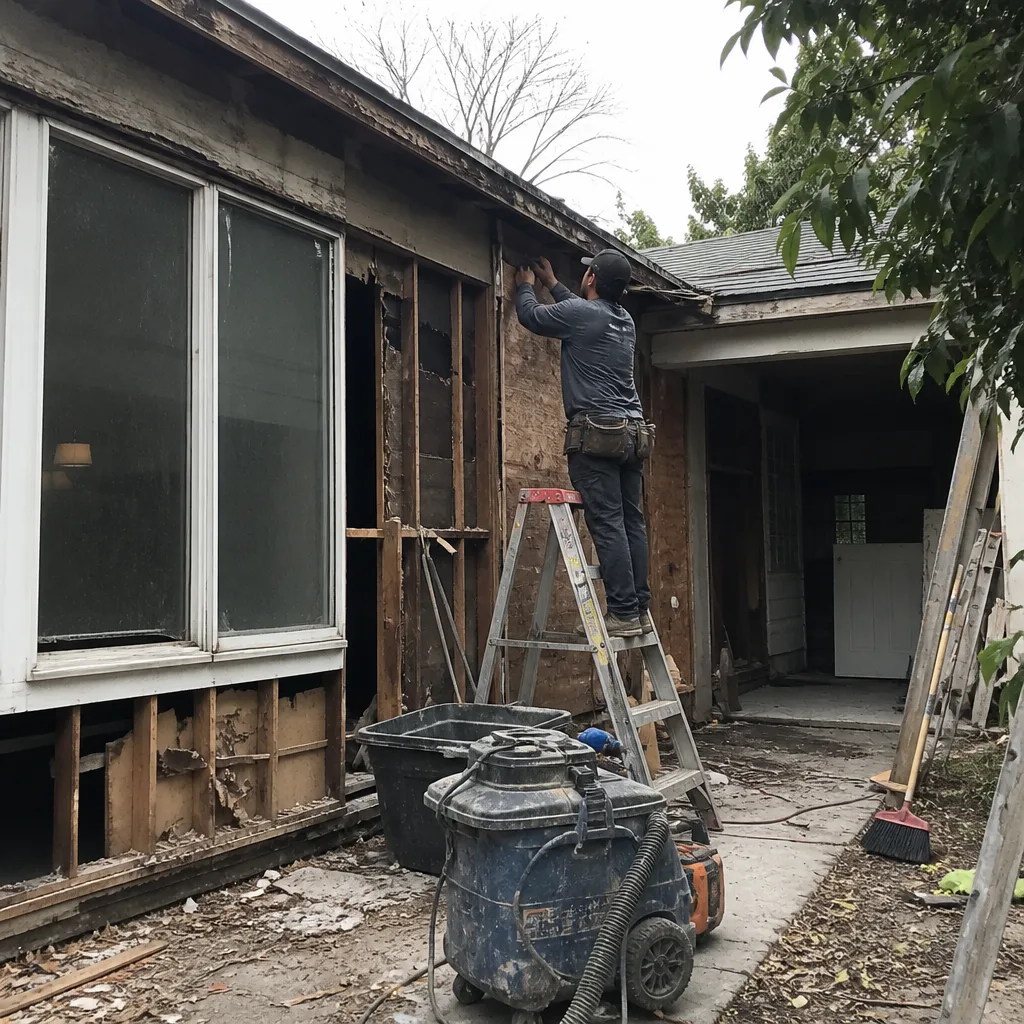 Before
 After
After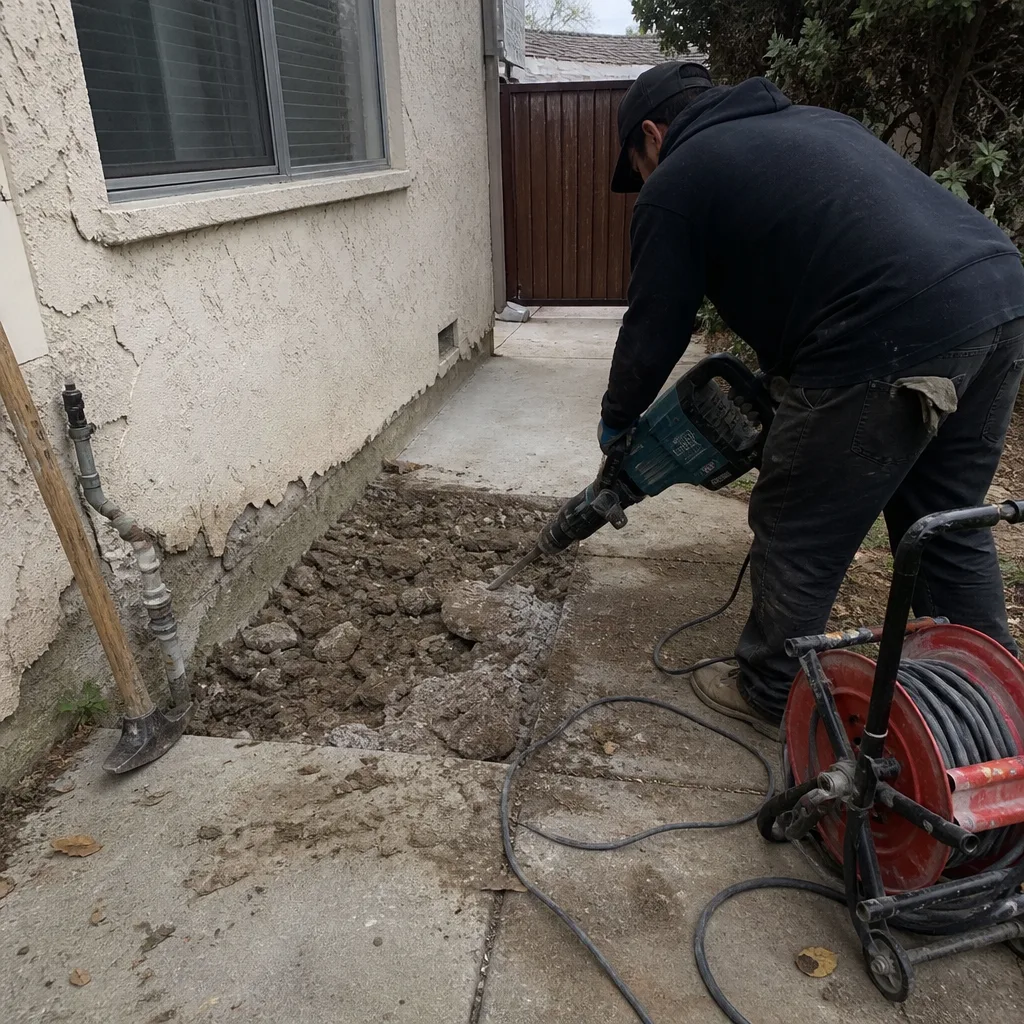 Before
 After
AfterWhen to Call a Professional
Call a professional when the project requires a permit, touches structural systems, involves gas or high-voltage electrical work, or includes materials that may contain lead or asbestos. Call a professional when you have children and pets in the house and need the work contained, scheduled, and cleaned up daily. Call a professional when a resale is possible within the next six years and you do not want an owner-builder disclosure complicating the sale. Elmstead Remodeling Pasadena offers free estimates in Pasadena, with a written price before any work starts and a live person answering the phone 24/7. Call (626) 714-2992 to schedule your free estimate.
Frequently Asked Questions
A kitchen remodel in Pasadena typically costs $35,000 to $90,000 depending on the size of the kitchen, the scope of the work, and the materials chosen. Cabinets, countertops, and plumbing fixtures are the largest line items. A kitchen that uses KraftMaid cabinets and Silestone countertops will land differently than a kitchen with custom cabinetry and natural stone, but the range above covers most mid-range to upper-mid-range projects in the Pasadena market. Call (626) 714-2992 for an exact quote, estimates are free.
Yes, if the remodel moves plumbing, changes electrical, or alters any wall. A cosmetic bathroom refresh, new paint, new fixtures in the same locations, new cabinet hardware, does not require a permit. The moment a toilet moves, a shower valve relocates, or a wall shifts, a permit is required and the work must be done by licensed trades.
The immediate penalty is a stop-work order and a requirement to obtain the permit retroactively, which often requires opening walls so an inspector can verify the work. The longer-term penalty is resale trouble: the work must be disclosed to buyers, and title companies may require legalization before closing. Pasadena also imposes permit fees that are higher for retroactive permits than for permits pulled before the work begins.
Yes, California allows owner-builder permits for homeowners working on their own primary residence. But the owner-builder permit makes you the employer of record for every subcontractor, requires you to verify workers’ comp coverage for each one, and triggers a six-year resale disclosure requirement. If you plan to live in the home long-term and you are willing to manage documentation carefully, it can work. If a sale is possible within six years, the disclosure alone may outweigh the savings.
A whole-home remodel in Pasadena typically takes four to eight months from permit approval to final inspection, depending on the scope, the size of the home, and any HPOZ design review. Kitchens and bathrooms add time because of the plumbing and electrical work involved. A kitchen-only remodel usually runs eight to twelve weeks. A bathroom remodel typically runs three to six weeks.
Not with a written price, and that is the point of asking for one. Elmstead Remodeling gives a written price before any work starts, on every project, and the price on the page is the price you pay. Change orders happen only if you change the scope, and they are written and approved before the new work begins. Call (626) 714-2992 for a fixed, written price on your Pasadena project.
The Bottom Line
The DIY-versus-hire decision in Pasadena comes down to three questions. Does the project require a permit? Does it touch structural, electrical, gas, or plumbing systems? Is there a chance of resale within six years? Answer yes to any of them, and the licensed contractor route protects you in ways a weekend project cannot. Answer no to all three, and a competent homeowner can save real money on paint, hardware, and tile. In either case, the decision should be made with full information about the legal and insurance consequences, not just the material costs. That information is what this guide provides. If you are ready to talk through your specific project, Elmstead Remodeling Pasadena is one call away.
Written by Graham Stein, Owner at Elmstead Remodeling Pasadena, serving Pasadena since 2005.