Last updated October 15, 2026
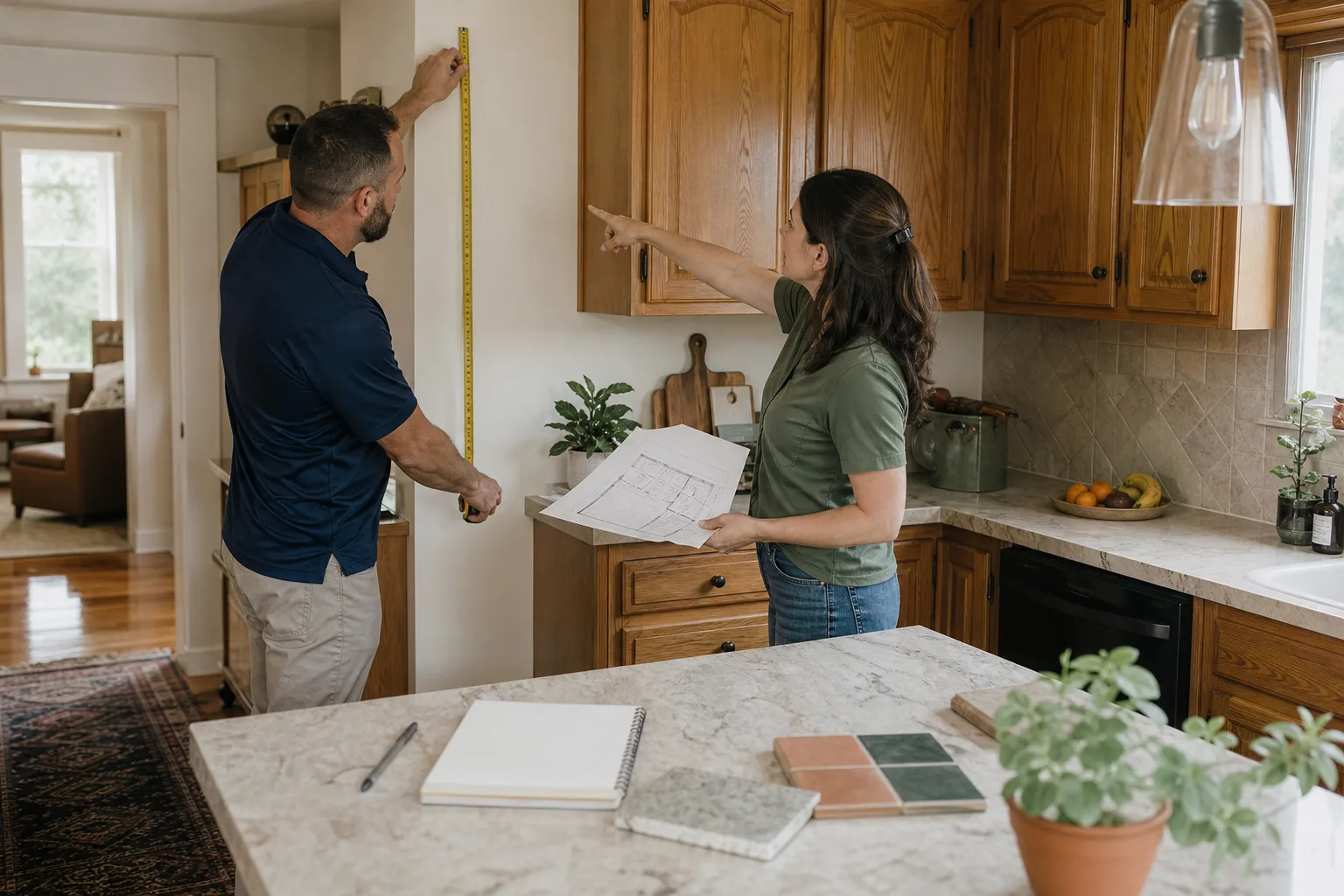
Free written scope consultation - allowances, timeline, and change-order rules on paper before a single trade is scheduled
The Complete Guide to Construction in Pasadena
Pasadena has 23 designated historic districts – more than any other city its size in Southern California – and a remodel that ignores that fact can trigger a design review that adds four to six months before a nail is touched. Most homeowners don’t discover this until they’re already paying a contractor to stand around. This guide walks through what actually governs construction in Pasadena: the hillside grading rules, the historic overlay process, the permit paths, and the material choices that pass inspection the first time. For more guides & resources, see our blog. By the end, you’ll know what to ask any contractor before you sign, and what the city will ask of you once you do.
Quick Answer
Construction in Pasadena is governed by three forces most homeowners never research before hiring: hillside grading rules for slopes over 10%, Historic Preservation Overlay Zones (HPOZs) that restrict exterior changes in 23 districts, and a permit system where some projects need both a Building & Safety permit and a separate Public Works encroachment permit. A kitchen remodel in a flat-lot, non-historic home may take 4-8 weeks for permits; the same project in an HPOZ on a hillside can take 6-10 months. Knowing which category your property falls into before you sign a contract is the single most important step. Watch for Construction Warning Signs: A Pasadena Homeowner’s Reference Guide when vetting contractors.
Styles & brands we work with
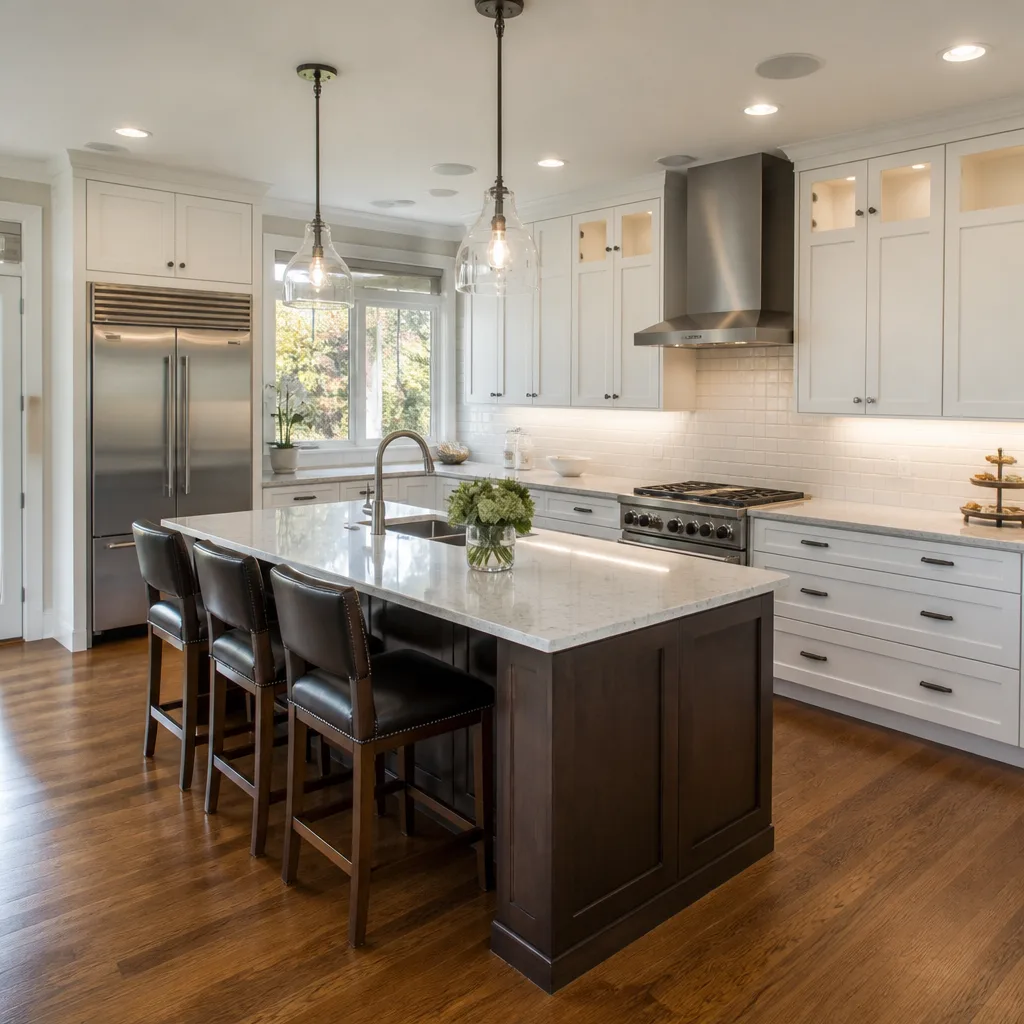
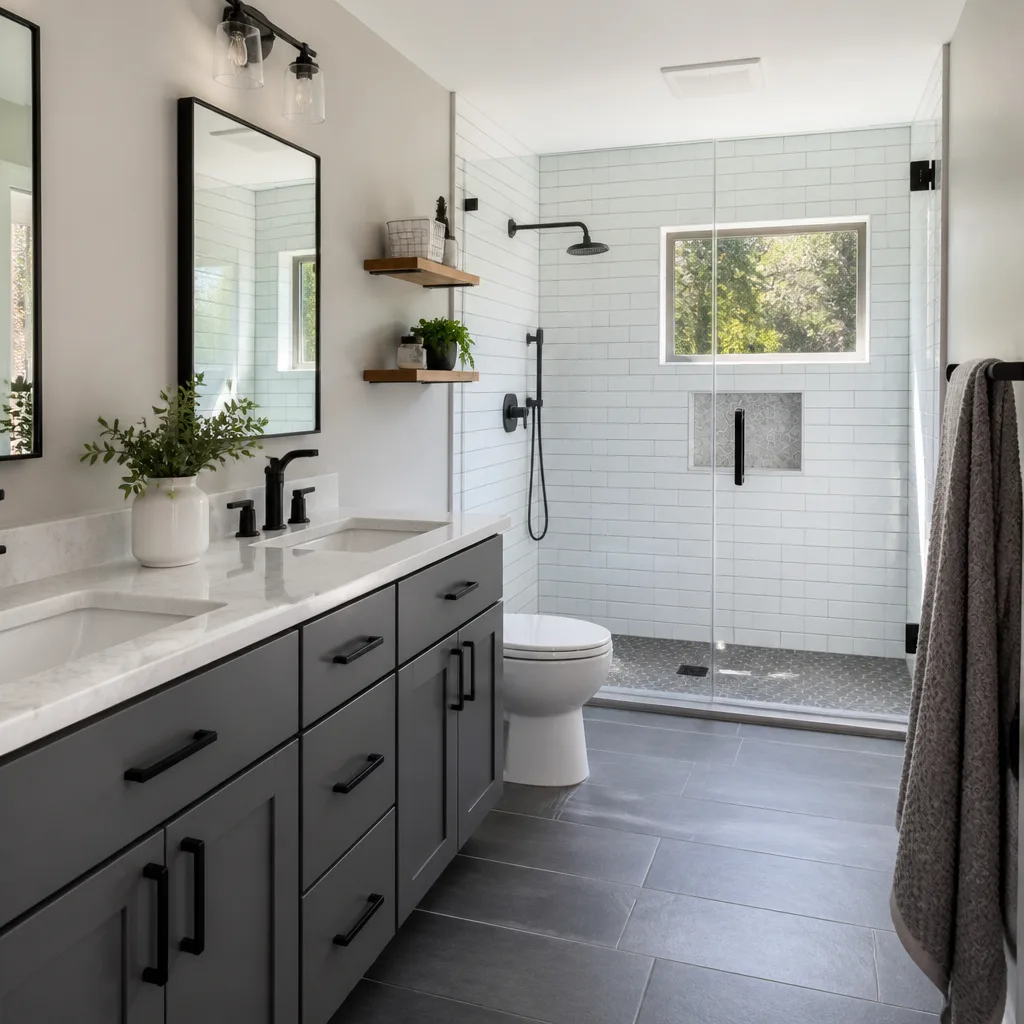
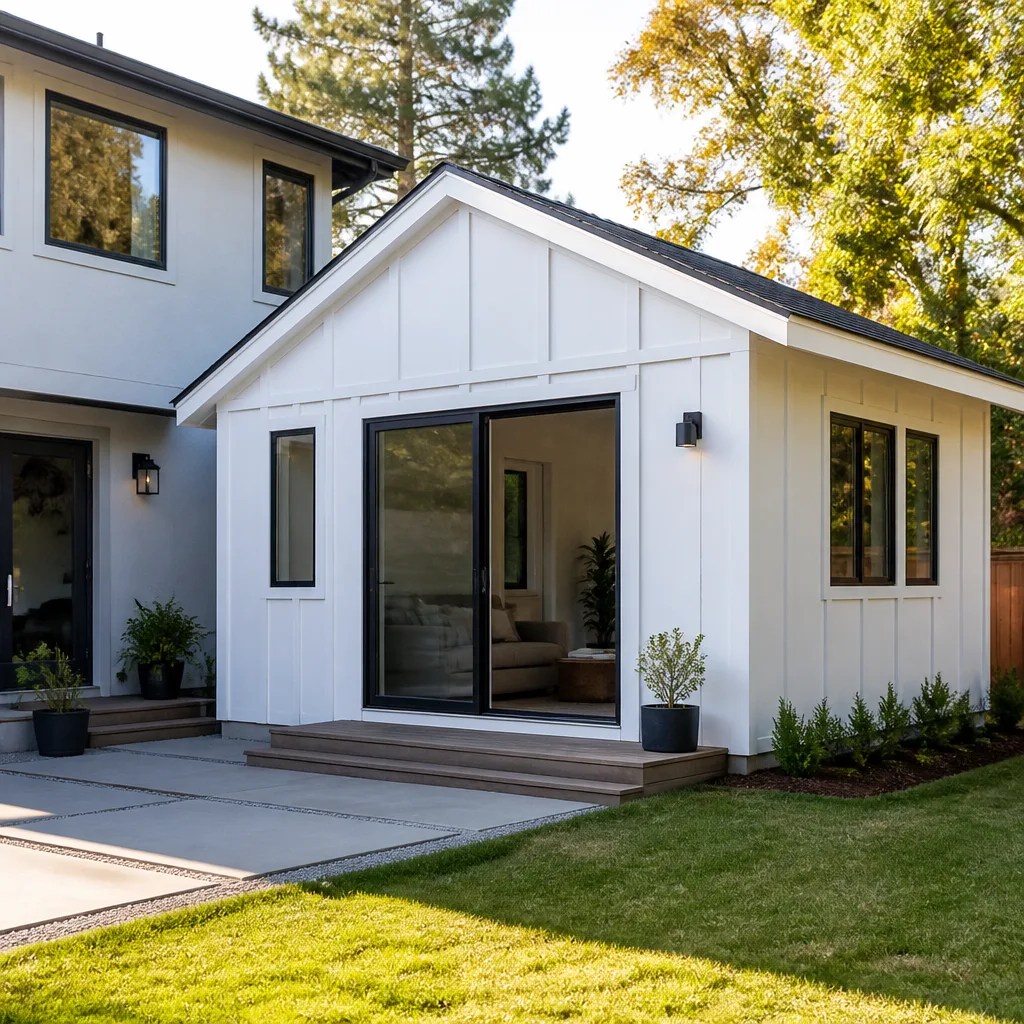
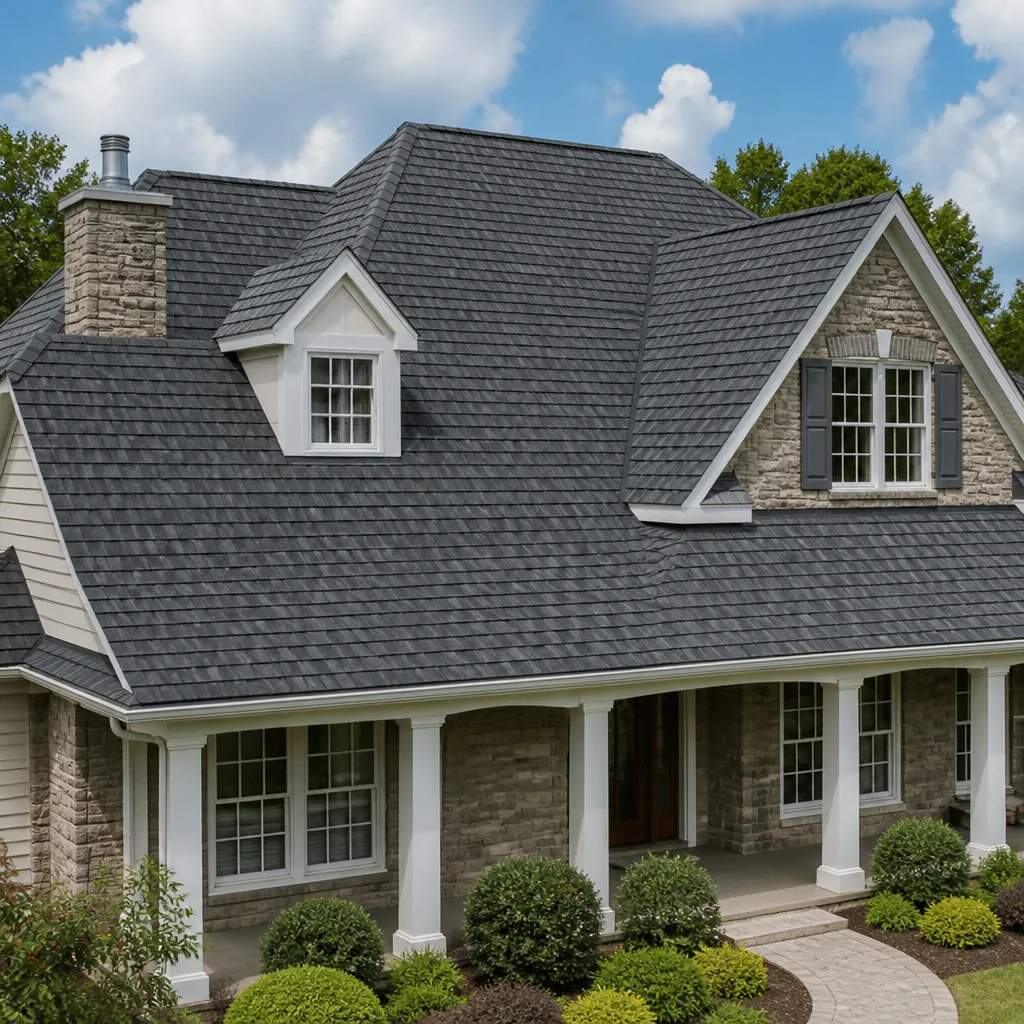
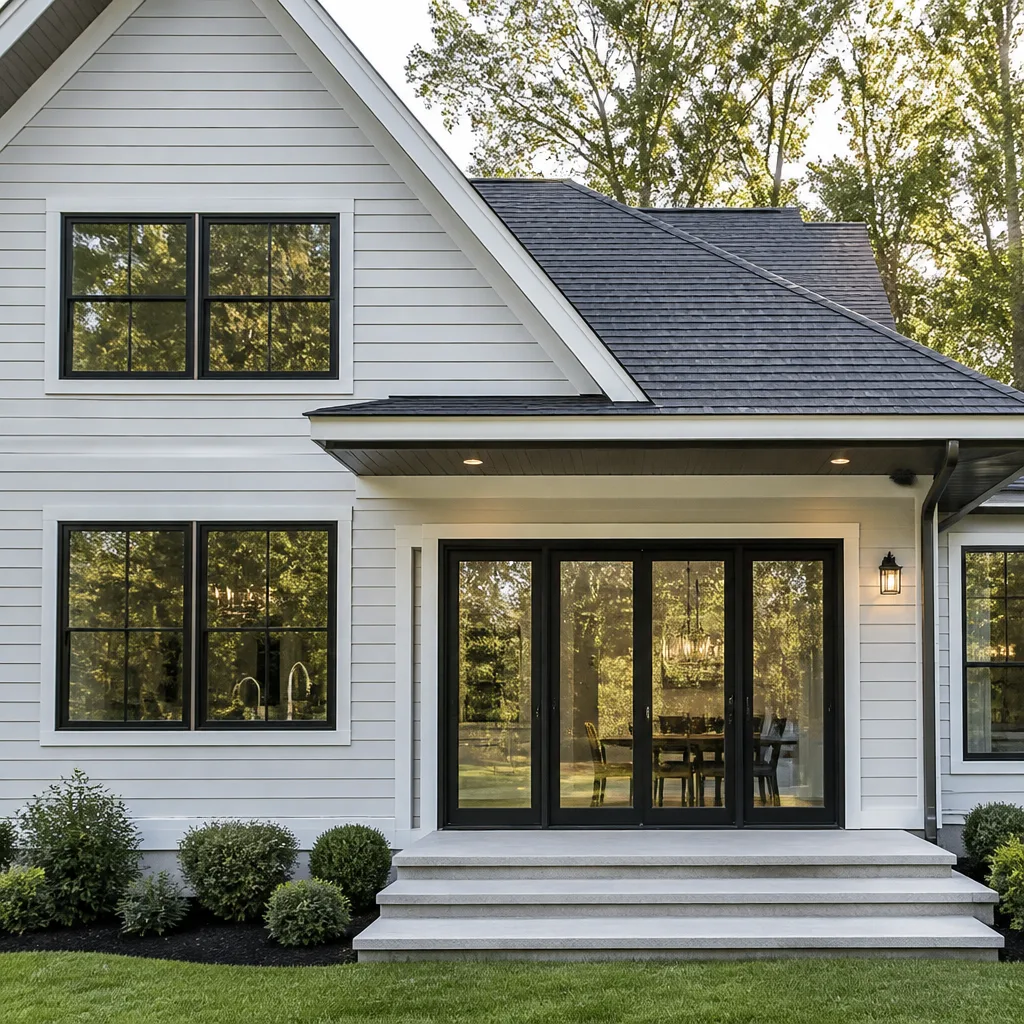
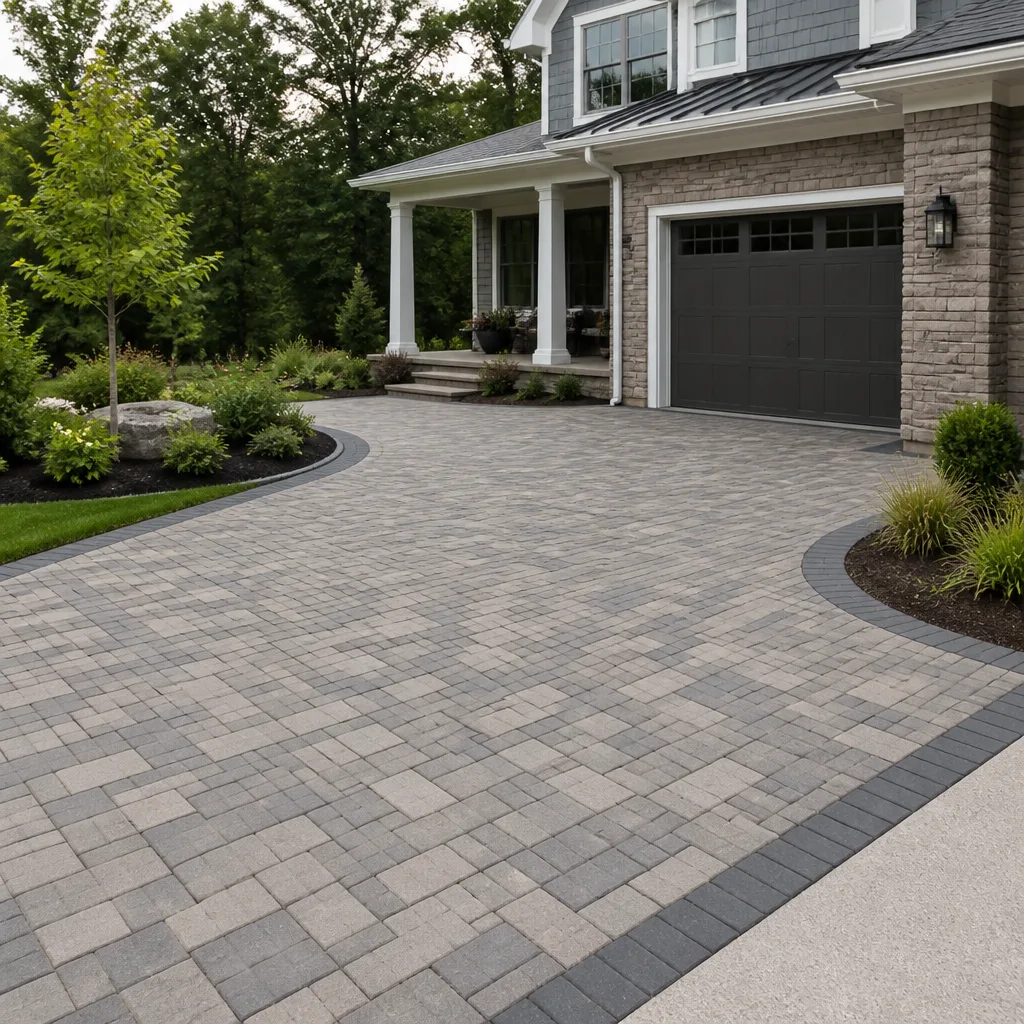
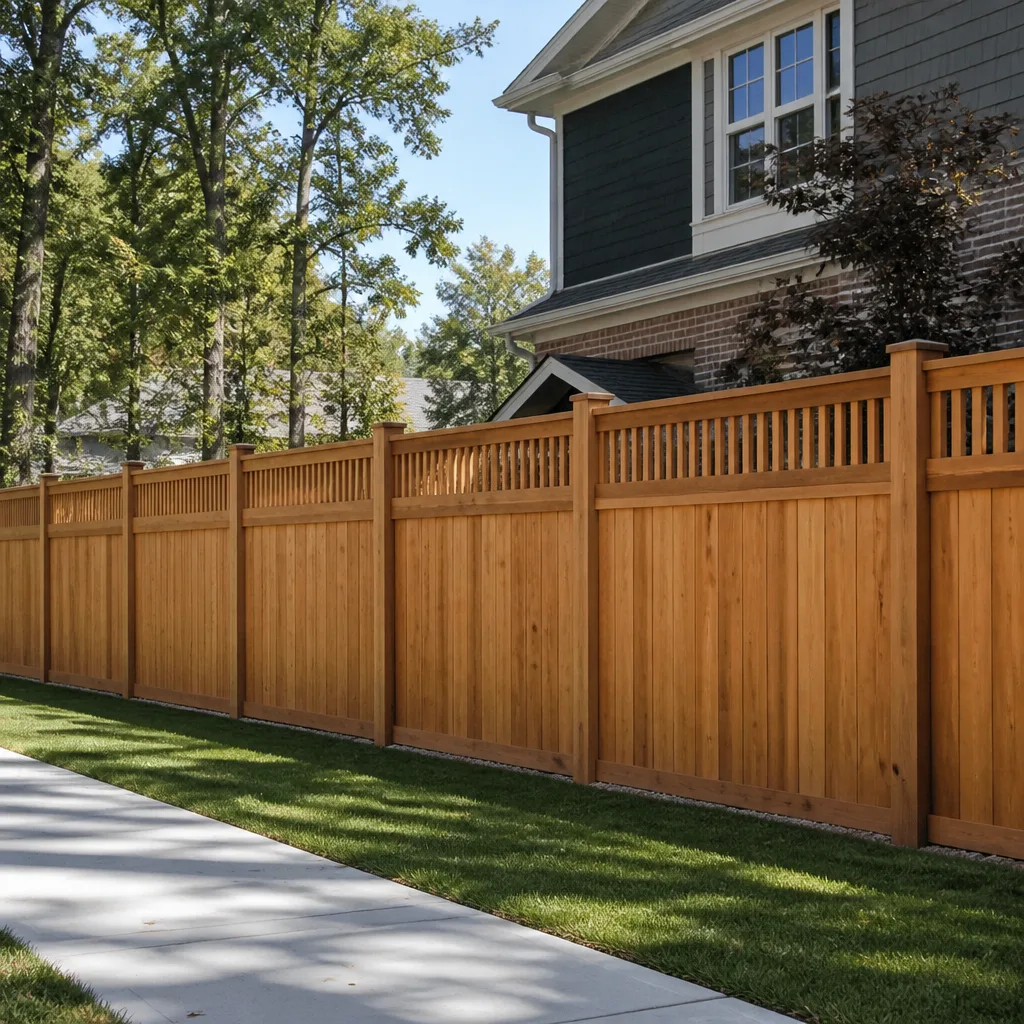
Table of Contents
- Pasadena’s Permit Landscape: What Actually Triggers a Permit
- Historic Preservation Overlay Zones: What They Control and What They Don’t
- Hillside Construction in Pasadena: The 10% Slope Rule
- Building & Safety Permits vs. Public Works Encroachment Permits
- Materials That Pass Pasadena Title 24 and HPOZ Review Together
- Using the City of Pasadena’s Online Permit Portal
- What Construction Costs in Pasadena: Project Ranges and Timelines
- How to Vet a Pasadena Contractor Before You Sign
Pasadena’s Permit Landscape: What Actually Triggers a Permit
Pasadena sits in Los Angeles County but has its own Building & Safety division with its own reading of the California Residential Code. That means contractors who work all over the county still get surprised here. The city’s permit threshold is stricter than county standard on several common items, and knowing the line saves you from doing work twice. Our guide to Construction Permits, Codes & Inspections in CA: What You Need to Know covers the details.
Here’s what requires a permit in Pasadena, in plain terms:
- Kitchen remodels where you move plumbing, electrical, or walls. Even if you keep the same footprint, if the sink moves six inches, you need a permit.
- Bathroom remodels that replace the shower pan, move the toilet, or add a new exhaust fan vent. Replacing a faucet or toilet in place does not.
- Window replacements when the opening size changes. Same-size replacement windows skip the permit unless you’re in an HPOZ – see the next section.
- Water heater replacements, always. Every single one.
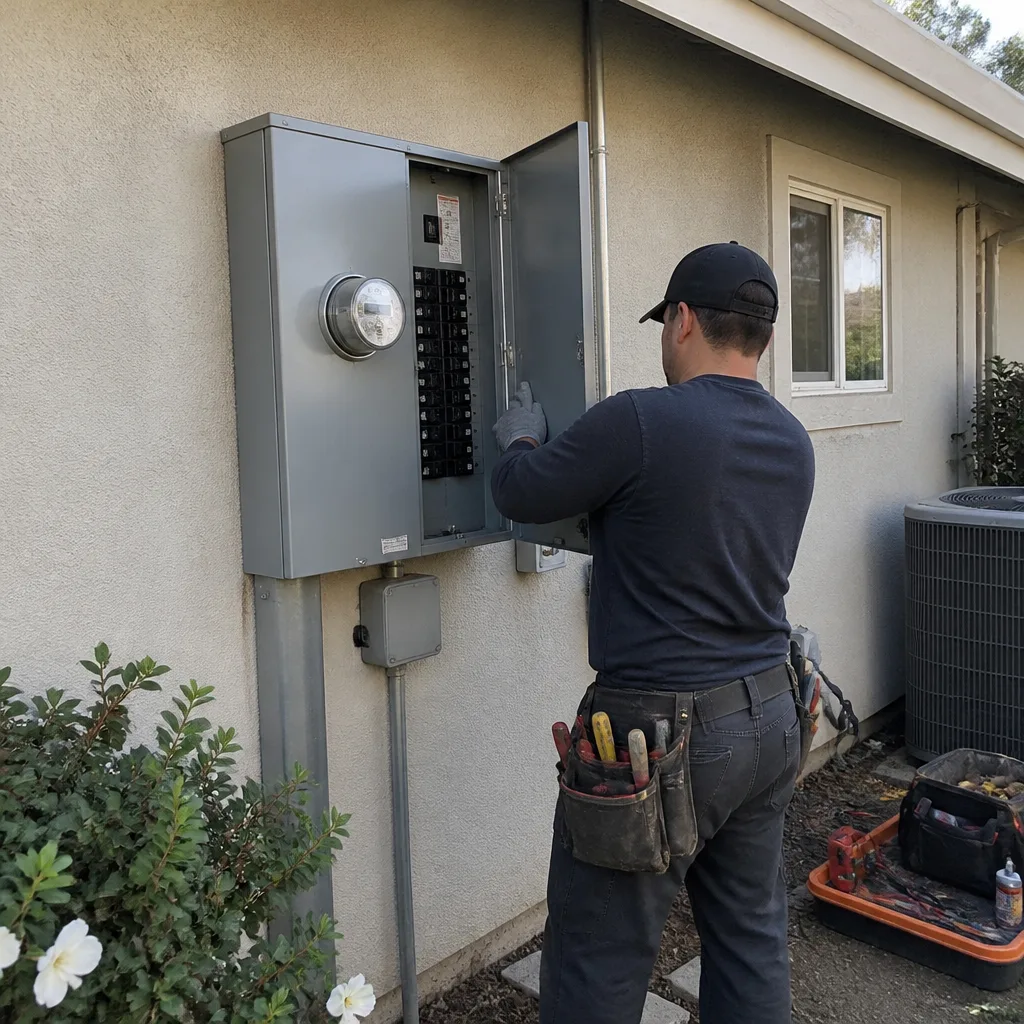
- Electrical panel upgrades of any amp size. This is a safety issue and the city treats it as one.
- Roof replacements when more than 25% of the sheathing is removed. A simple reroof over existing sheathing may only need a reroof permit, which is faster.
- Any structural work: foundation repair, beam replacement, load-bearing wall removal.
We’ve walked into homes where a previous owner did unpermitted work, and the current owner is now selling and the buyer’s lender wants to see final permits. It’s a recurring Pasadena story. The fix is a retroactive permit, which costs more than the original permit would have and requires opening up walls to show the inspector what was done. Pulling the permit up front is cheaper, every time.
For a full read on what a general contractor in Pasadena handles, see our General Contractor in Pasadena page.
Historic Preservation Overlay Zones: What They Control and What They Don’t
Pasadena has 23 Historic Preservation Overlay Zones. That number matters because it covers a lot of the city: Bungalow Heaven, Garfield Heights, Madison Heights, Orange Heights, and the list goes on. If your property is in an HPOZ, the city’s Historic Preservation Commission reviews any change visible from the street. Not just additions – paint color, window style, front door material, and even the style of a new mailbox.
Here’s a real example we’ve worked through. A Craftsman home in Bungalow Heaven needed new windows. The homeowner wanted vinyl double-hungs from a big-box store. Vinyl windows are not prohibited citywide, but the HPOZ design guidelines for that district require wood or wood-clad windows in original openings. The homeowner’s application went to design review, the commission asked for wood windows with a specific muntin profile, and the project waited six weeks for that one decision. The wood windows cost about 40% more than the vinyl ones. That’s the HPOZ process working as intended, and it’s why you need to know before you buy anything.
What the HPOZ controls:
- Exterior paint colors – some districts have approved palettes. Others review color on a case-by-case basis.
- Window and door materials, profiles, and muntin patterns.
- Roofing material and color. Some districts require specific shingle types.
- Front porch alterations, including railings and stair details.
- Any addition visible from the street – even a small bump-out.
What the HPOZ does not control:
- Interior work. Gut the kitchen, move walls, redo the bathroom – no historic review applies.
- Backyard structures not visible from the street, though they still need standard permits.
- Routine maintenance: repainting in the same color, repairing existing windows, patching stucco.
The practical takeaway: if you live in an HPOZ and you’re doing any exterior work, budget four to six months for the design review before your contractor can start. Interior work is not affected. That’s a good reason to find a contractor who has actually navigated the Pasadena Historic Preservation Commission, not just one who says they have. Our Elmstead Remodeling Pasadena home page covers how we approach HPOZ projects from the first site visit.
Hillside Construction in Pasadena: The 10% Slope Rule
Parts of Pasadena sit on slopes that rise toward the San Gabriel Mountains. The neighborhoods along the northern edge – think Linda Vista, Annandale, and the streets climbing toward Altadena – frequently trigger what the city calls the Hillside Construction Zone. The trigger is a slope of 10% or greater, and once you’re in it, every project gets a separate grading plan check.
This is the part most flat-lot contractors don’t warn you about, because they haven’t worked it. Here’s what the hillside designation actually means for your project:
- A grading plan is required before building plans are reviewed. This is a separate document from your architectural drawings, prepared by a civil engineer, showing existing and proposed contours at one-foot intervals.
- Your project needs a soils report. A geotechnical engineer tests the soil for stability, drainage, and expansion potential. In hillside Pasadena, expansive clay soils are common, and the foundation design has to account for that.
- Retaining walls get their own review. Any wall over four feet needs structural calculations, and walls over six feet need a separate permit with a drainage plan behind the wall.
- Drainage from your site cannot flow onto your neighbor’s property. The city enforces this strictly on hillsides. Your drainage plan must show that any new impervious surface – a patio, a pool deck, an addition – sends water to a controlled outlet.
In our experience, a kitchen addition on a hillside lot in Pasadena runs two to three months longer than the same project on a flat lot, almost entirely due to the grading plan and geotech cycle. The work itself is not harder; the front-end engineering is longer. If you’re buying a hillside home with plans to add on, include that timeline in your decision.
There’s also a practical benefit to the hillside rules: they tend to produce better-built foundations. The city’s plan check is thorough precisely because hillside failures are expensive and dangerous. A home built to Pasadena’s hillside standard will hold up through heavy rain years better than a flat-lot build that slipped through with a lighter review.
Building & Safety Permits vs. Public Works Encroachment Permits
Pasadena splits its permit system in a way that confuses even experienced homeowners. A Building & Safety permit covers work on your property. A Public Works encroachment permit covers anything that touches the public right-of-way – the sidewalk, the curb, the parkway strip, the street. Some projects need both, and if you only pull one, your contractor will be stopped mid-project.
Here’s when you need each:
Building & Safety Permit (the main one)
- Any structural, electrical, plumbing, or mechanical work on your property.
- Kitchen and bathroom remodels with layout changes.
- Additions, ADUs, garage conversions.
- Foundation, roofing, and window work (where required).
Public Works Encroachment Permit
- Placing a dumpster or debris box on the street in front of your house.
- Blocking the sidewalk with materials or equipment.
- Cutting the curb to create a new driveway approach.
- Any work in the parkway strip – planting, removing a tree, trenching for utilities.
- Scaffolding that extends over the sidewalk line.
The one that catches most people: the dumpster. If your contractor puts a roll-off dumpster on the street without an encroachment permit, Parking Enforcement will ticket it, and Public Works can order it removed. That’s a delay neither you nor your contractor wants. A good contractor handles the encroachment permit as part of the job. Before you sign a contract, ask this exact question: “Will you pull the encroachment permit for the dumpster, and is it included in your price?” If they hesitate, keep looking.
There’s also a city noise ordinance that matters during construction. Pasadena allows construction noise from 7:00 AM to 6:00 PM on weekdays, with more restrictive hours on weekends and none on city holidays. For families with children doing e-learning or a new baby, we plan demolition days within those hours and flag loud work in advance. It’s a scheduling detail that makes the difference between a tolerable remodel and a long few months.
Materials That Pass Pasadena Title 24 and HPOZ Review Together
Pasadena enforces California’s Title 24 energy code, which sets minimums for insulation, windows, HVAC efficiency, and solar readiness. It also enforces HPOZ aesthetic standards in historic districts. Those two systems often pull in opposite directions. The trick is finding materials that satisfy both at once, so you don’t end up with an energy-efficient window the historic commission rejects, or a beautiful wood window that fails Title 24.
Here are the cross-compliant choices we specify most often in Pasadena:
- Wood-clad double-hung windows with Low-E glass. The wood exterior satisfies HPOZ design guidelines, the Low-E coating and argon fill meet Title 24 U-factor and SHGC requirements. Brands like Marvin and Andersen have product lines specifically configured for California’s climate zones.
- Fiber-cement siding in heritage profiles. James Hardie makes lap siding and shingle profiles that read as traditional wood siding from the street but carry a noncombustible rating and excellent Title 24 wall assembly performance. HPOZ commissions in Pasadena have approved Hardie products on multiple projects we’ve done.
- Standing-seam metal roofing in dark tones. Title 24 rewards cool roofing, but some HPOZ districts won’t allow reflective white roofs on historic homes. Dark standing-seam metal with a cool-roof pigment satisfies both: it has high solar reflectance in the infrared range even though it looks dark to the eye.
- Tankless water heaters with recirculation pumps. Title 24 sets minimum efficiency for water heating. Tankless units exceed it, and they free up the closet space that older Pasadena homes often need for storage. No HPOZ review applies since it’s interior mechanical work.
- Insulated fiberglass entry doors with wood-grain finish. A solid wood door meets HPOZ standards easily but performs poorly under Title 24 unless it’s part of a tested assembly. An insulated fiberglass door with a realistic wood-grain texture passes energy review and most HPOZ reviews without argument.
For interior work, the brands that matter are the ones you’ll touch every day. In our bathroom remodeling work, we specify Grohe and Moen fixtures because their cartridges are serviceable without tearing out tile, and both companies have parts availability that spans decades. For roofing and exterior, GAF and CertainTeed shingles have the specific color lines that Pasadena HPOZ boards recognize and trust. We’d rather name the product than say “quality materials” and leave you guessing. See our Bathroom Remodeling in Pasadena page for specific fixture and tile recommendations that meet Pasadena code.
Using the City of Pasadena’s Online Permit Portal
The City of Pasadena runs its permit applications through an online portal. It’s functional, but it assumes you already know which form applies to your project. For a homeowner doing small work themselves, the portal is manageable. For a full remodel, it’s where projects stall if the paperwork isn’t right.
Here’s what you can pull yourself as a homeowner:
- Same-day electrical and plumbing permits for like-for-like replacements – a new outlet, a swapped water heater (yes, this one is self-service), a repaired sink drain.
- Reroof permits for simple shingle replacement over existing sheathing.
- Fence permits for fences under six feet in most residential zones (check your specific zone first).
- Water heater replacement permits – the city makes this one straightforward because it’s a safety item.
What requires a licensed contractor:
- Any project with structural drawings – additions, wall removals, foundation work.
- Any project in a hillside construction zone requiring a grading plan.
- Any HPOZ exterior work requiring design review; the application has to be filed by someone who can answer technical questions at the hearing.
- ADUs and garage conversions, which have their own submittal checklist.
What triggers a mandatory pre-application meeting:
- Commercial or mixed-use construction.
- Any project requiring a hillside grading plan.
- Any project in an HPOZ that involves a visible addition or new construction rather than a like-for-like repair.
- Projects involving two or more separate building permits on one lot.
The pre-application meeting is not a penalty. It’s a working session where city staff tell you what your application is missing before it enters the formal queue. Skipping it when it’s required does not save time; it just moves the questions to a later date.
What Construction Costs in Pasadena: Project Ranges and Timelines
Every guide should name numbers. Here are the ranges we give homeowners in Pasadena, reflecting local labor, material, and permit costs as of 2025. These are planning ranges, not quotes. A written quote requires a site visit and a plan.
| Project Type | Typical Pasadena Range | Permit Timeline | Construction Timeline |
|---|---|---|---|
| Bathroom remodel (gut, 5×8 to 8×10) | $28,000 – $55,000 | 2-6 weeks | 4-8 weeks |
| Kitchen remodel (gut, standard footprint) | $55,000 – $110,000 | 3-8 weeks | 8-14 weeks |
| Kitchen remodel (moves walls) | $75,000 – $150,000 | 4-10 weeks | 10-16 weeks |
| Whole-home remodel (2,000 sq ft) | $180,000 – $400,000 | 6-16 weeks | 5-10 months |
| ADU (detached, 500-800 sq ft) | $180,000 – $320,000 | 4-12 weeks | 5-8 months |
| Hillside grading plan add-on | $4,000 – $12,000 | +6-10 weeks | No added build time |
| HPOZ design review add-on | $2,000 – $8,000 | +4-6 months | No added build time |
Two notes on these numbers. First, Pasadena permit fees are not the main cost driver – plan check and design review time are. A hillside lot can spend two months in grading plan review before the first foundation drawing is even looked at. Second, any contractor who gives you a quote before seeing the property is guessing. We give a written price only after a site visit, and that price is fixed before any work starts. The families we work with tell us that written-price promise is the main reason they chose us over a lower bid that kept moving.
For kitchen-specific pricing and process detail, see our Kitchen Remodeling in Pasadena page.
How to Vet a Pasadena Contractor Before You Sign
Pasadena’s regulatory landscape means the contractor you hire needs to be fluent in three dialects: the city’s Building & Safety code, the HPOZ design standards, and the hillside grading rules. A contractor who works mostly in Glendale or Alhambra may be excellent at the craft but unfamiliar with Pasadena’s specific review process. That inexperience costs you time, not just money.
Here are the questions to ask, in order:
- “Have you pulled permits in Pasadena in the last 12 months?” Ask for a recent project address. The city’s permit system is not static; someone who last permitted here in 2019 doesn’t know the current portal or the current plan check reviewers.
- “Is your price written and fixed before work starts?” If the answer is anything other than a yes without conditions, walk. Price creep is the most common construction complaint, and in our business it’s solved by writing the price down before the first tool comes off the truck.
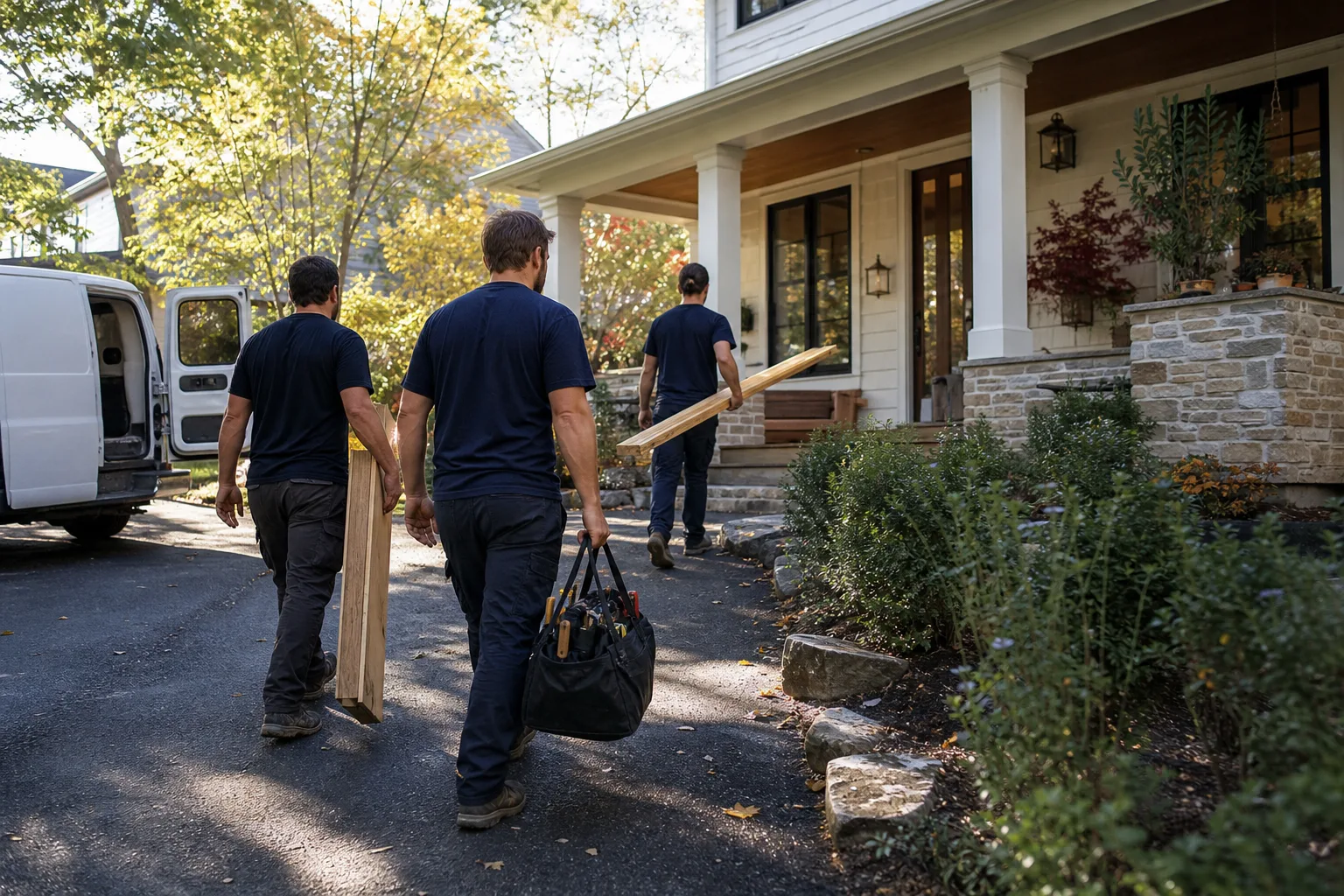
- “Who will be on site, and are they background-checked?” The families we work with want to know the names of the people walking through their front door. Our technicians are background-checked and uniformed. If a contractor won’t tell you who’s coming, that’s an answer.
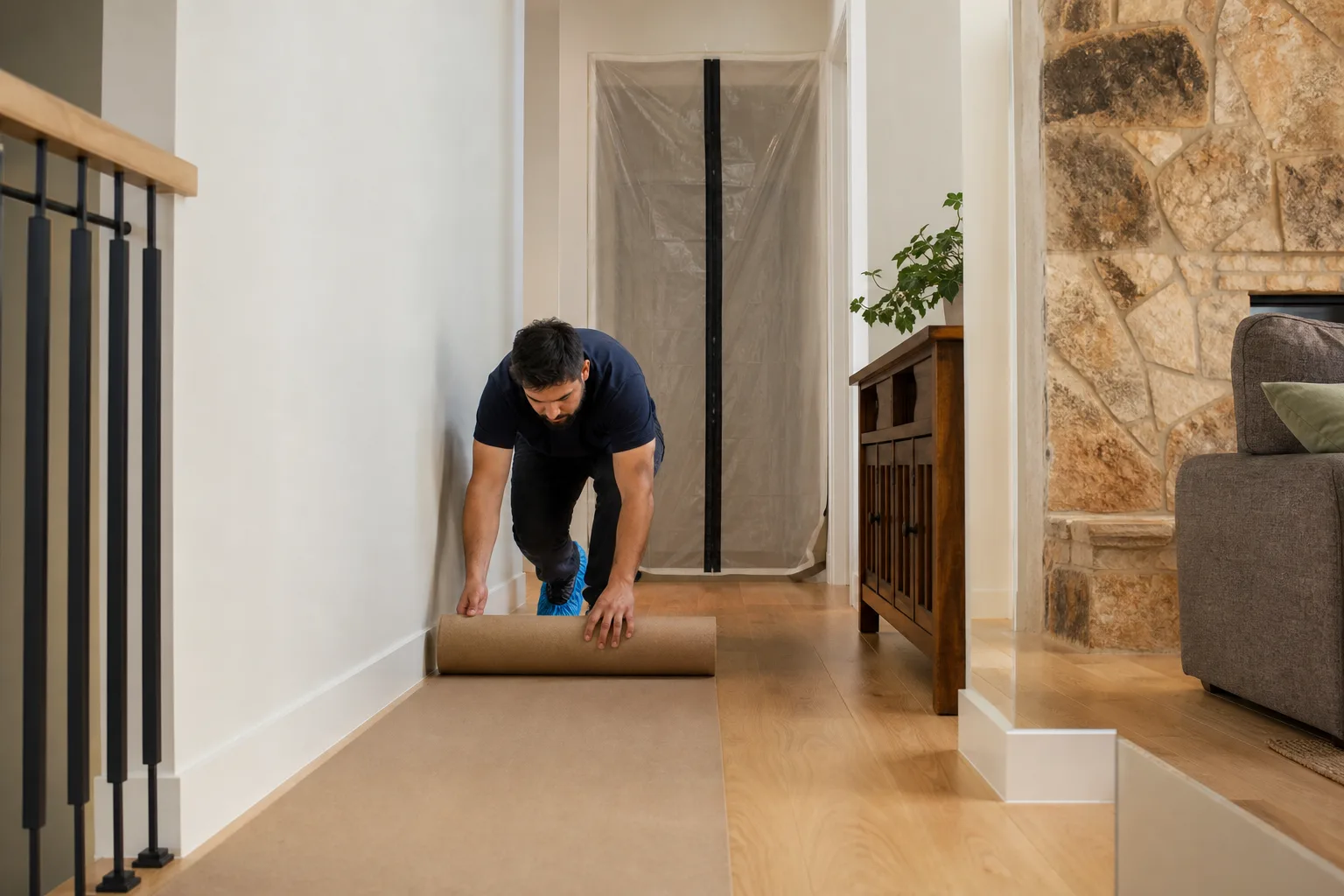
- “How do you protect the floors, the pets, and the quiet hours?” A contractor who hasn’t thought about this hasn’t done family-occupied remodels. We put shoe covers at the door and drop cloths on the floors on every job, every visit, as part of the Cedarwell Care Promise. We use quiet tools during nap and school hours where possible, and we choose pet-safe products wherever there is a practical option. If the response is “we’re clean and respectful” without specifics, keep asking.
- “What happens if something isn’t done right after the job is done?” Every Elmstead project carries the 365-Day Done Right Promise. If it’s not done right, we make it right. That promise is written on the contract and it covers the full first year after completion. Ask any contractor what their post-project commitment is. The ones with a real answer will be specific.
Pasadena homeowners are also served by a city resource worth using: the Building & Safety counter at 175 N. Garfield Avenue. Staff there will answer questions about your specific property’s zoning, HPOZ status, and hillside designation before you hire anyone. It’s a free conversation that can save you from a contractor who wants to skip the review process and hope nobody notices.
Common Mistakes to Avoid
- Starting interior work before confirming HPOZ status. Interior work may not trigger design review, but if your “interior” remodel includes a new window or an exterior door, it does. Confirm the full scope against the HPOZ map first.
- Buying windows, doors, or roofing materials before plan check approval. In an HPOZ, the commission can require a different material than what you bought. You now own materials you can’t install and may not be able to return.
- Putting the dumpster on the street without an encroachment permit. This is the most common stop-work order in Pasadena residential construction. It’s a $200-$500 ticket and a delay of days, over a permit that costs a fraction of that.
- Hiring a contractor who says “we’ll pull permits if the city asks.” The city always asks, eventually – usually when you’re selling the house. Unpermitted work discovered at sale is a negotiation you don’t want to have.
- Ignoring the hillside designation until the plans are done. If your property slopes more than 10%, the grading plan and soils report have to happen first. A contractor who doesn’t flag this in the first meeting doesn’t work Pasadena hillsides.
- Choosing materials based on price before code review. In Pasadena, the cheapest window that meets Title 24 may be a vinyl slider that the HPOZ rejects. Buy materials that pass both reviews the first time, even if they cost more up front.
- Assuming the permit timeline is the construction timeline. They’re separate. A kitchen remodel can sit in plan check for eight weeks and then build in six. Plan your life around the sum, not the shorter number.
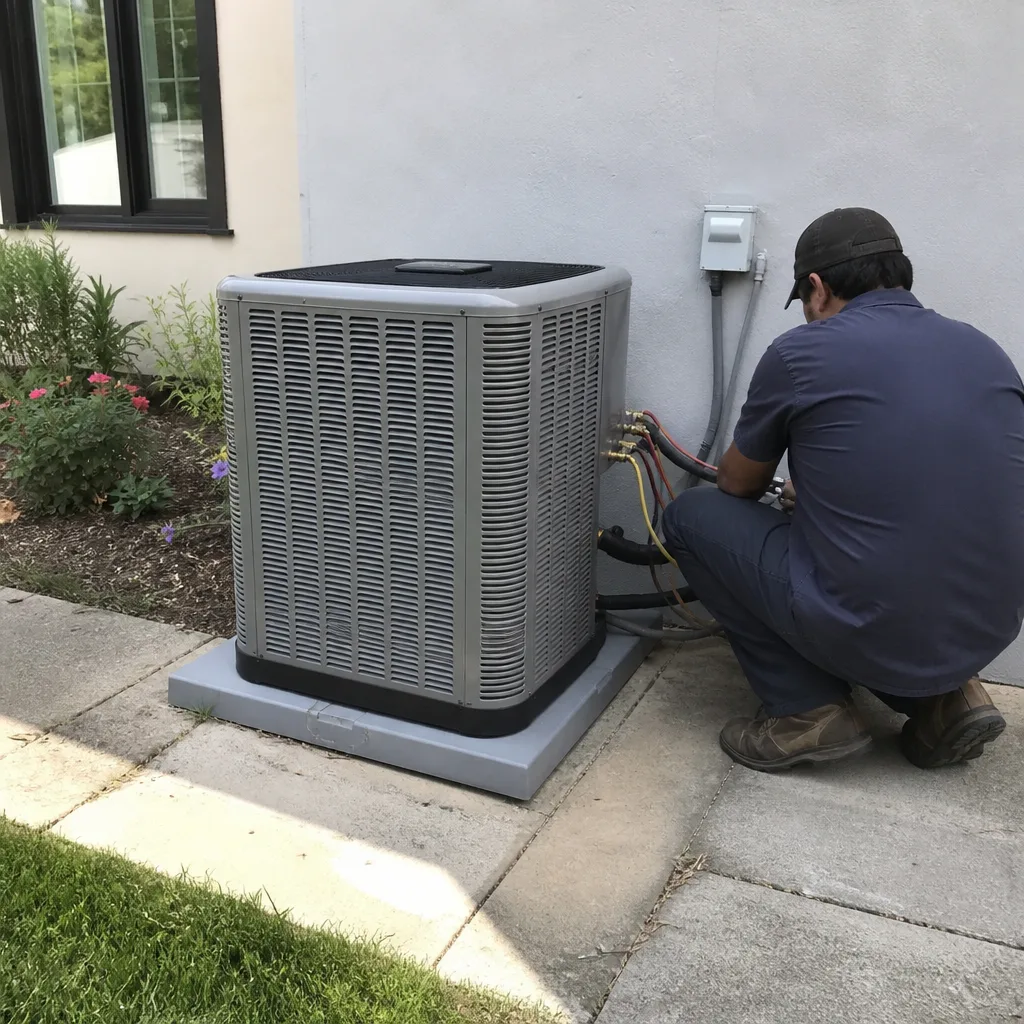
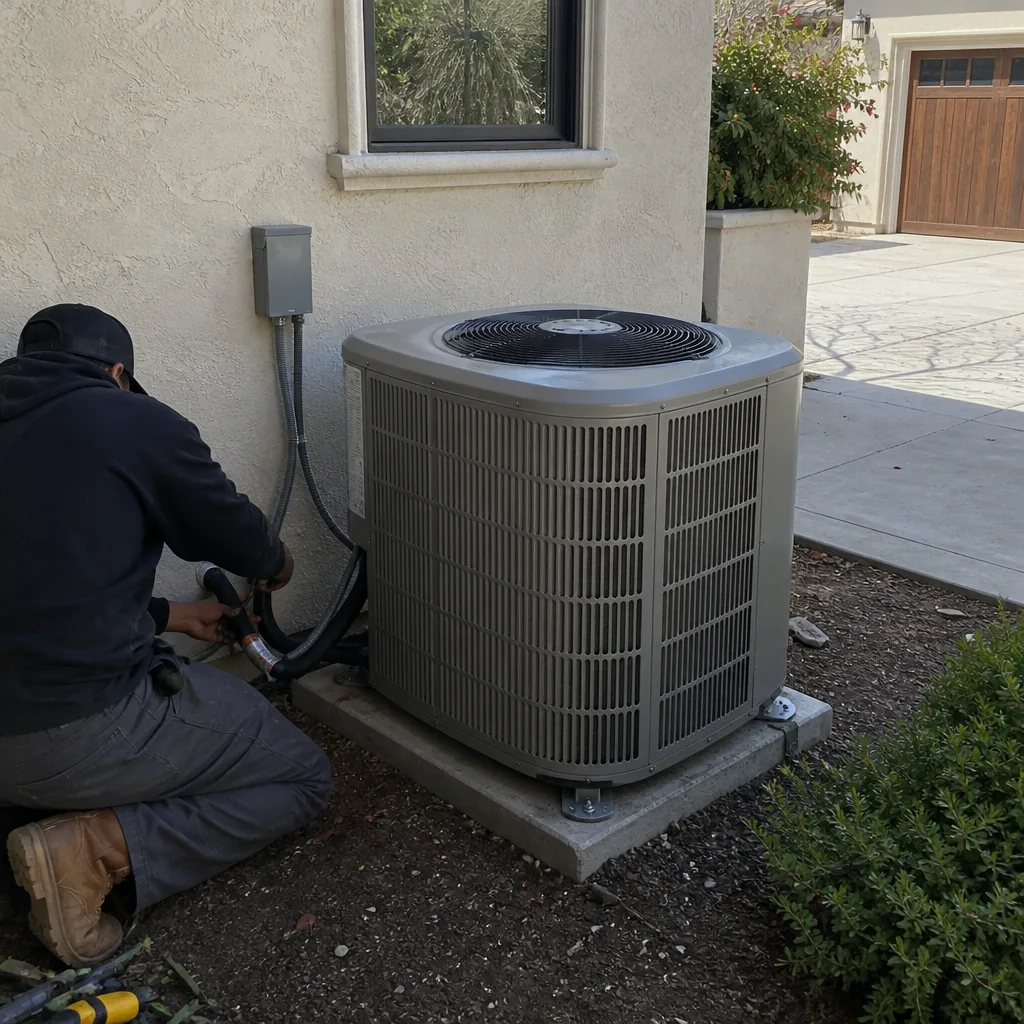
See the difference
 Before
 After
After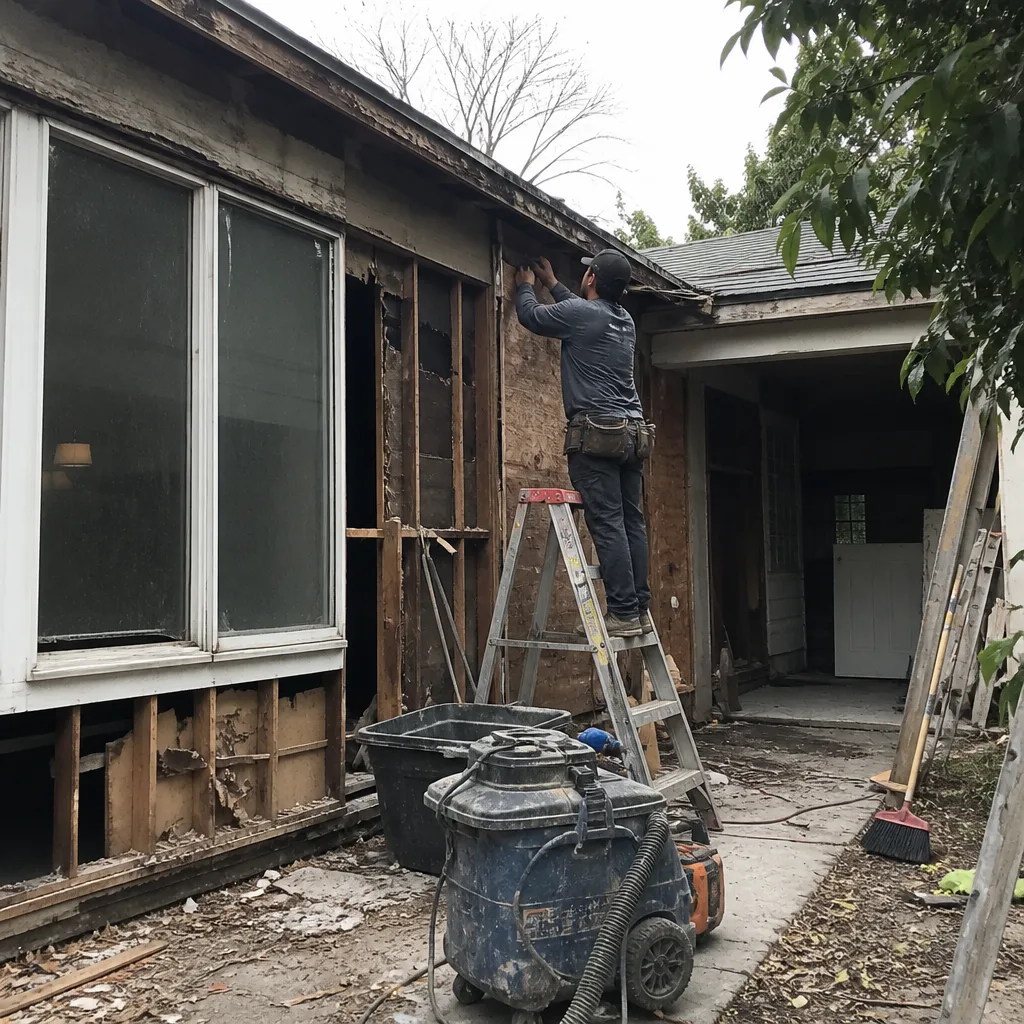 Before
 After
After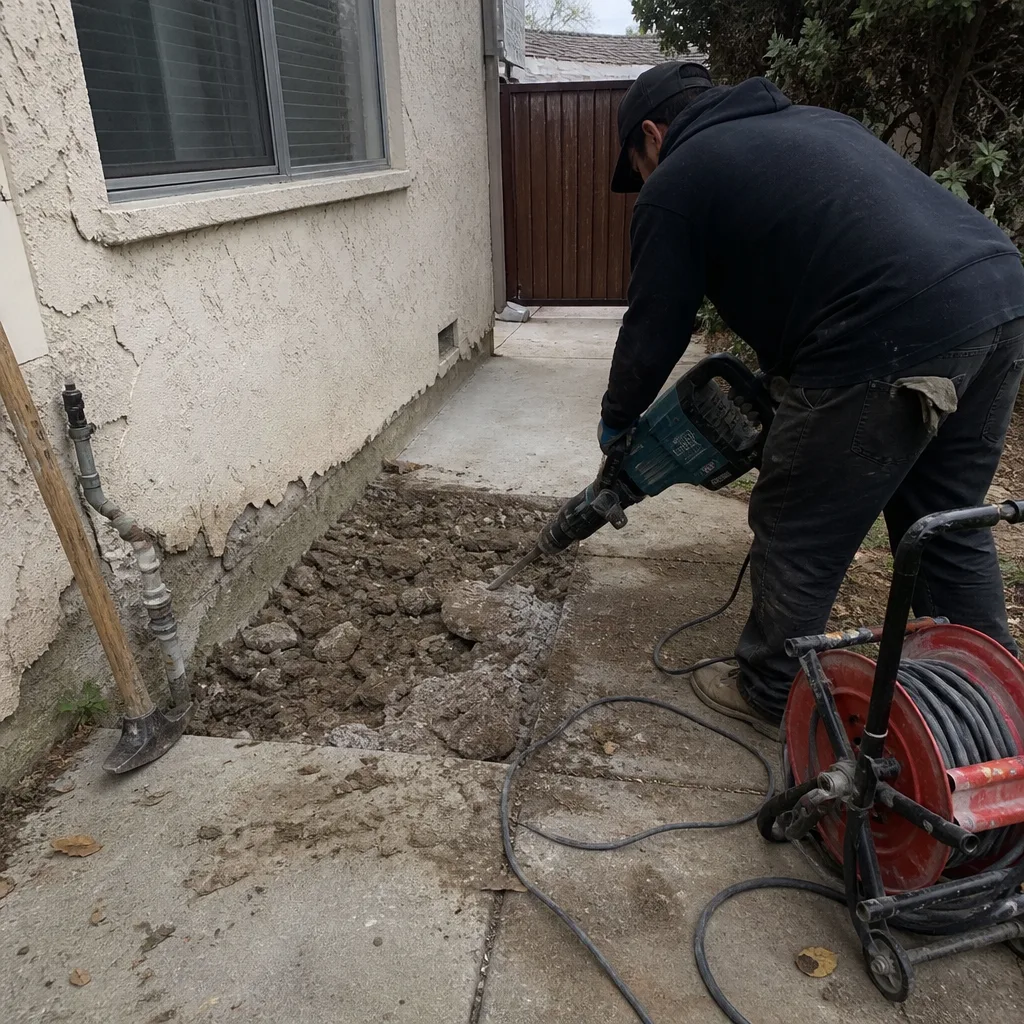 Before
 After
AfterWhen to Call a Professional
Pasadena construction is not a DIY-friendly landscape. If your project involves structural changes, any plumbing or electrical relocation, any exterior work in an HPOZ, any work on a hillside lot, or any permit that requires drawings you don’t know how to produce, call a contractor who works in Pasadena regularly. The city’s plan check staff will expect drawings that meet a specific standard, and the fastest path through review is someone who has walked that path before. Elmstead Remodeling Pasadena offers free estimates for kitchen, bathroom, and whole-home projects – call (626) 714-2992 to schedule one. We’ll confirm your property’s HPOZ and hillside status in the first conversation, so you know what you’re working with before you spend a dollar.
Frequently Asked Questions
For a simple interior remodel with complete drawings, Pasadena Building & Safety typically issues a permit in three to eight weeks. Projects in HPOZ districts that require design review add four to six months, and hillside projects requiring a grading plan add six to ten weeks. The timeline depends mostly on the completeness of your submittal, which is where an experienced Pasadena contractor earns their keep. Call (626) 714-2992 if you want us to check your specific property’s status.
Yes, if you’re moving plumbing, electrical, or walls. A cosmetic refresh – new cabinet doors, replacement appliances in the same location, new countertops – does not require a permit. But the moment the sink moves or a wall comes out, the city wants drawings and a permit. If you’re not sure which category your project falls into, call (626) 714-2992 and we’ll tell you straight.
A kitchen remodel in Pasadena typically runs $55,000 to $110,000 for a standard footprint gut-and-replace, and $75,000 to $150,000 if you’re moving walls. Historic district review and hillside grading can add $2,000 to $12,000 in plan and permit costs before construction starts. Our price is always written before any work begins, so you’ll know your number exactly after a site visit.
An HPOZ is a Historic Preservation Overlay Zone – Pasadena has 23 of them – and it means any exterior change visible from the street goes through design review by the city’s Historic Preservation Commission. You can check your address on the city’s online zoning map, or call us at (626) 714-2992 and we’ll confirm it as part of a free estimate.
You can do same-day permits for like-for-like electrical, plumbing, and water heater replacements as a homeowner. Anything structural, anything on a hillside, or any HPOZ exterior work requires a licensed contractor with the right drawings. Pasadena enforces this consistently because substandard work in an earthquake zone is a community hazard, not a private problem.
Not with us. Elmstead Remodeling gives a written price before any work starts, and that price is fixed unless you change the scope. If the city requires something during plan check that wasn’t in the original drawings – a structural detail, a drainage fix – we show you the change order in writing before proceeding. You’ll never get a bill you didn’t approve.
The Bottom Line
Construction in Pasadena rewards homeowners who do their homework before they sign. Know your HPOZ status, know your slope percentage, know which permits apply to your project, and know that written price before a single tool comes off the truck. The homes here are some of the finest in Southern California – Craftsman originals, hillside lookouts, Spanish revival gems – and they’re worth doing right. Elmstead Remodeling Pasadena has worked these streets since 2005, and the families we serve tell us the thing they remember most is not the finished room; it’s that the crew left the house cleaner than they found it, every day. Call (626) 714-2992 for a free estimate. A live person will answer.
Written by Graham Stein, Owner at Elmstead Remodeling Pasadena, serving Pasadena since 2005.