Last updated October 15, 2026






Free written scope consultation - allowances, timeline, and change-order rules on paper before a single trade is scheduled
General Contractor Maintenance Checklist for Pasadena Homeowners
The most expensive call a Pasadena homeowner makes is the one placed in late November, after a Santa Ana wind has lifted a section of roof flashing and driven rain underneath. By the time the ceiling stain shows up, the decking beneath the shingles has been soaking for weeks. A $180 annual inspection that catches lifted flashing in October prevents a $9,000 decking replacement in December. This guide gives you a maintenance calendar built around the specific forces that wear down houses in Pasadena: Santa Ana wind seasons, heavy clay soils, and the aging craftsman-era foundations that sit on top of them.
Styles & brands we work with







Quick Answer
A Pasadena home maintenance checklist should be organized around three local stressors: Santa Ana wind damage (inspect roof flashing, fascia, and vents every November), expansive clay soil movement (check foundation cracks and door alignment every September, before the rains return), and dry-heat expansion (inspect caulking, stucco, and exterior paint every July). Schedule a contractor walk-through once a year in October, before the wet season begins. Budget $300 to $600 annually for professional inspections, plus $800 to $2,500 for typical preventive repairs caught early.
Table of Contents
- Month-by-Month Maintenance Calendar for Pasadena
- Why Pasadena’s Clay Soil Moves Your Foundation (and What’s Normal)
- Gutters, Downspouts, and Pasadena’s Impervious Surface Rules
- Santa Ana Wind Damage: The Audit Most Checklists Miss
- The Contractor Walk-Through Checklist to Hand Your GC
- What to Document to Preserve Your Remodel Warranty
- Common Mistakes to Avoid
- When to Call a Professional
- Frequently Asked Questions
- The Bottom Line
Month-by-Month Maintenance Calendar for Pasadena
Most maintenance checklists are written for a generic California climate that doesn’t exist. Pasadena has a specific rhythm: hot, dry summers that bake exterior caulking; a Santa Ana wind season that runs from September through January and can gust to 60 mph in the foothills; and a wet season that arrives suddenly in late October or November after months of zero rain. Your checklist should follow that rhythm, not the one in a national home magazine.
January: Storm Drainage Check
After the first real rains, walk the perimeter of your lot during a downpour if you can do so safely. Look for water pooling against the foundation, downspouts discharging too close to the house, and any gutter overflow. Pasadena’s clay soil expands when wet, and water sitting against a foundation accelerates that expansion unevenly. Move downspout extensions so water discharges at least 5 feet from the foundation. Clear any leaves or debris that accumulated in drain grates. Check crawl space vents: they should be open and clear, not blocked by stored items or debris.
February: Tree and Root Assessment
Pasadena’s mature trees, especially the oaks and eucalyptus in neighborhoods like San Rafael and Linda Vista, send roots toward any consistent water source. That includes your sewer line, your foundation, and your irrigation pipes. In February, before spring growth starts, look for: new cracks in walkways or driveways near tree lines; soil heaving at the base of mature trees; and any slow drains that might indicate root intrusion. If you have a sewer lateral older than 20 years, a camera inspection costs $150 to $350 in Pasadena and tells you whether roots are inside the pipe before it becomes a backup.
March: Rain Gutter Cleaning and Hardware Tightening
By March, the rainy season is winding down but not over. Clean gutters now, before the debris from spring flowering trees fills them again. While cleaning, tighten every gutter bracket and downspout strap. Loose brackets allow gutters to sag, and a sagging gutter pools water instead of carrying it away. In Pasadena’s older craftsman homes, many gutters are attached to fascia boards that are original to the house. A sagging gutter pulls on that wood, and rot follows. Check for soft spots in the fascia while you’re up there. If you’re not comfortable on a ladder, a handyman or contractor can handle this for $120 to $250.
April: Exterior Caulking and Paint Inspection
Pasadena’s dry heat starts returning in April. This is the month to inspect every exterior joint where caulking protects the house: window frames, door frames, where stucco meets wood trim, and around exterior vents and pipes. Look for caulking that has cracked, pulled away, or turned brittle. Failed caulking lets water behind siding and trim, and once wood rot starts in a Pasadena craftsman, repair costs climb quickly. Re-caulking a typical single-story home runs $300 to $800 for a professional. If you catch it before the wood is damaged, that’s the whole repair. If you wait, you’re adding siding repair at $25 to $60 per square foot.
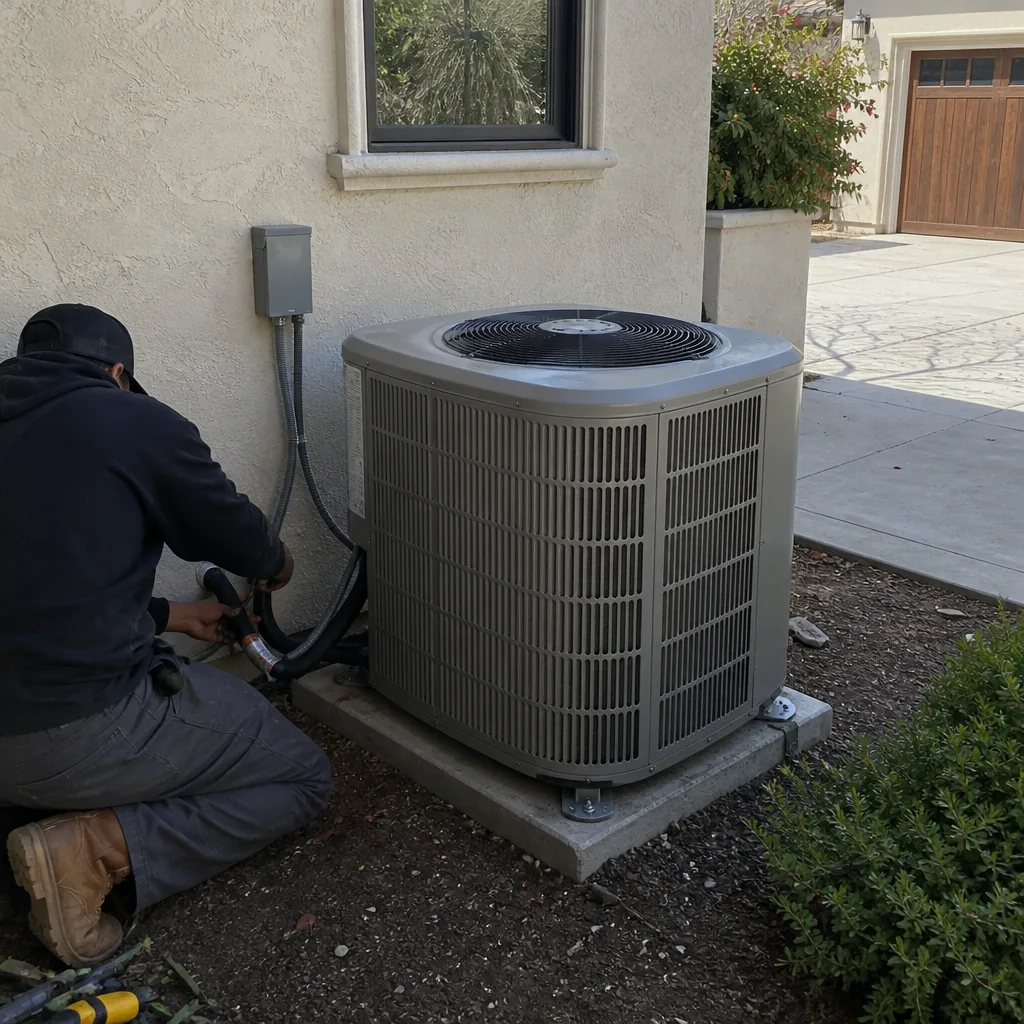
May: HVAC and Attic Ventilation Check
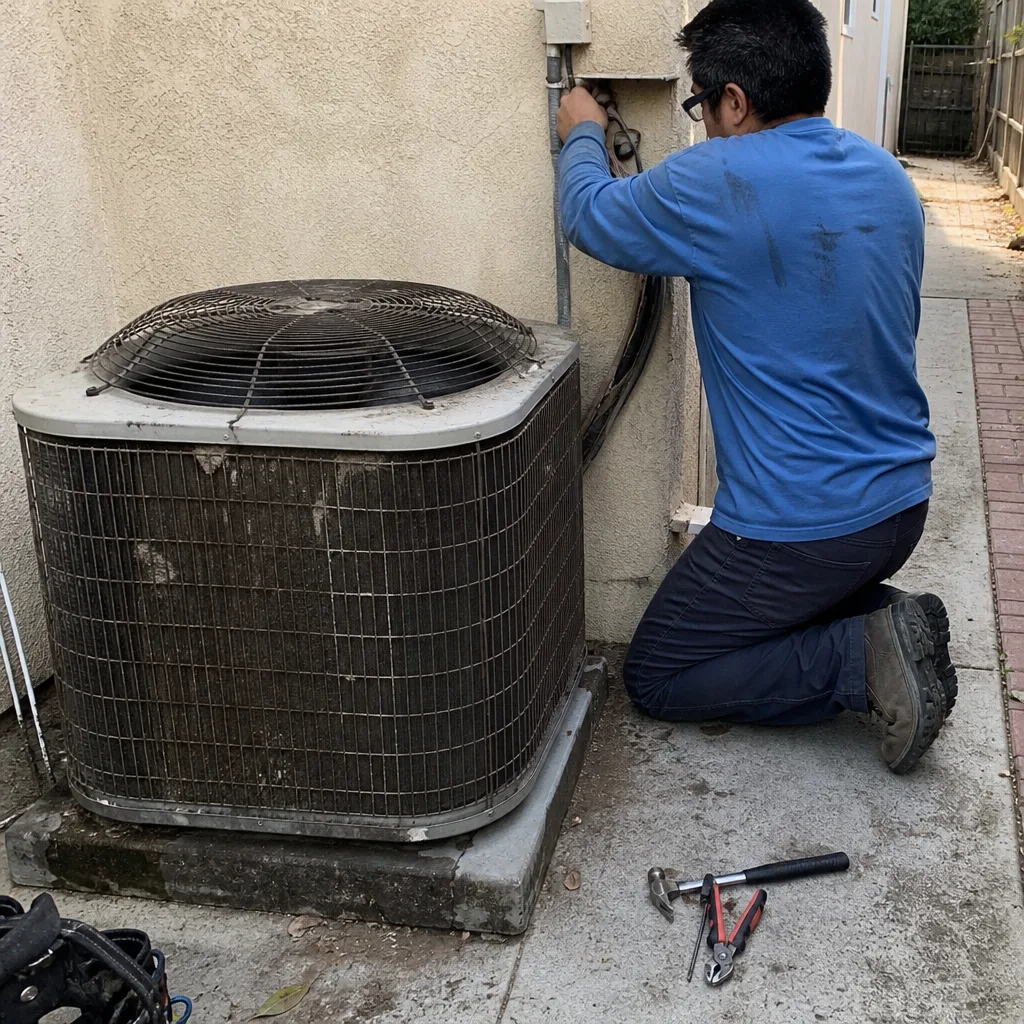
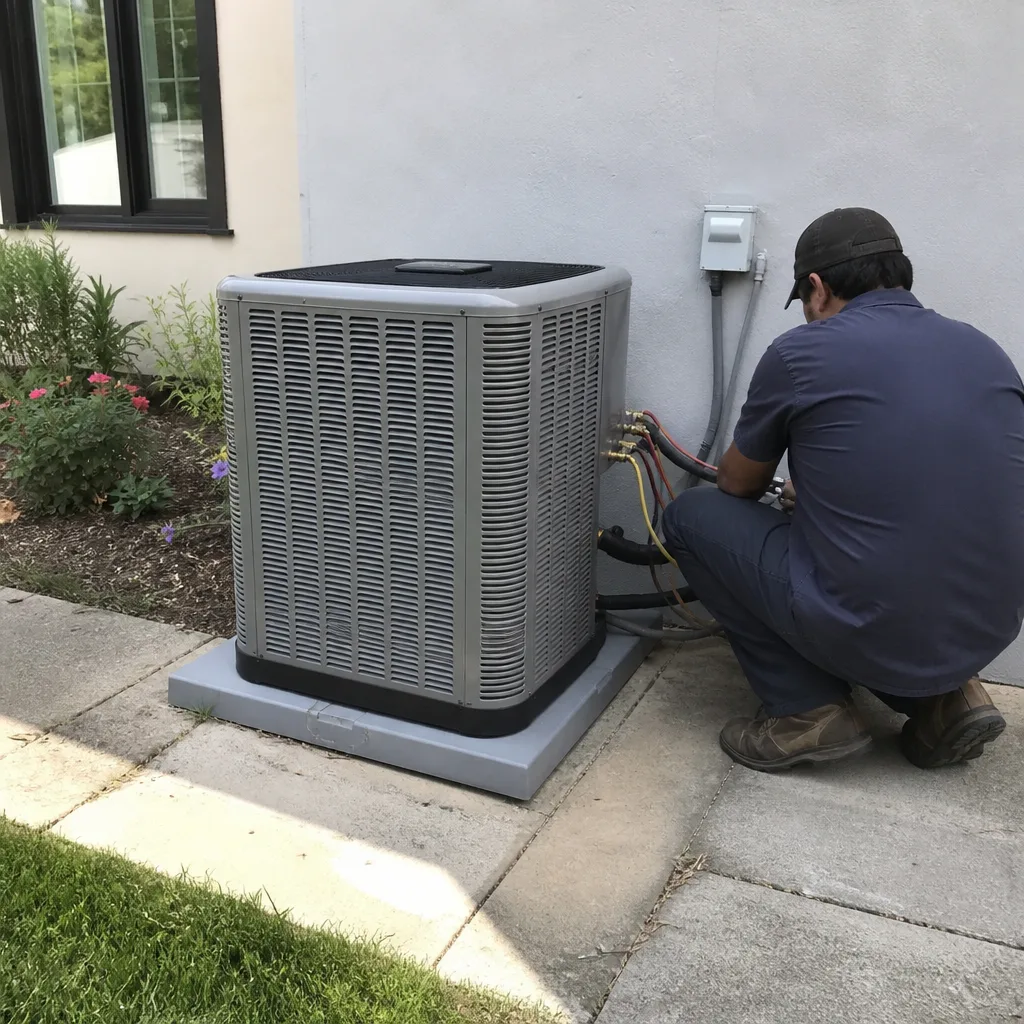
Pasadena’s summer heat arrives with force. Your attic is the first place overheating shows up. In May, check that attic vents are clear of bird nests, rodent debris, and insulation that has shifted over the vents. Proper attic ventilation in Pasadena isn’t just about cooling bills. It prevents moisture buildup in winter and protects your roof decking from premature failure in summer. If you’ve had a new roof installed in the last 5 years, confirm the ventilation is still balanced: intake at the eaves, exhaust at or near the ridge. Change HVAC filters, and if you have an older system, consider a pre-season tune-up. Pasadena HVAC companies charge $90 to $180 for a seasonal inspection, and it catches failing capacitors and low refrigerant before the first 100-degree day.
June: Irrigation and Water Line Inspection
Before the driest months, inspect every hose bib, irrigation valve, and visible water line on the property. Look for mineral deposits at connections, drips at valves, and soft or sinking soil near irrigation lines that suggests a slow underground leak. In Pasadena, where many homes still have galvanized supply lines from the 1940s and 1950s, internal corrosion is a real factor. Low flow at a single fixture can mean a failing galvanized line segment. Repiping a single line costs $500 to $1,500 depending on access. Repiping an entire Pasadena home runs $4,500 to $12,000. Catching a single failing segment early keeps the scope smaller.
July: Dry-Heat Expansion Check
July and August in Pasadena push exterior materials through their widest expansion range. Wood framing swells slightly. Stucco expands. Caulking stretches. This is the month to look for: new hairline cracks in stucco or plaster that weren’t there in April; gaps opening at window and door trim joints; and any door or window that has started sticking or binding. A door that sticks in July may simply be thermal expansion. That same door in September might indicate foundation movement. Note what you see in July, take photos, and compare them to September. If the sticking disappears when the weather cools, it’s expansion. If it stays, it’s worth having a contractor look at the foundation.
August: Painted Surface and Deck Inspection
Late August is when Pasadena sun damage is most visible. Walk every painted surface: siding, trim, porch columns, and any wood windows. Look for peeling paint, cracking at nail heads, and areas where the wood grain is starting to show through. Pasadena’s dry heat causes paint to fail at the joints first, and those joints are also where moisture will enter come November. Deck inspection matters too: check for loose boards, protruding nails, and soft spots where wood meets the ground. Deck repair in Pasadena typically runs $400 to $1,800 depending on the extent. A soft spot caught in August might be a $200 board replacement. The same spot after winter rain could mean hidden joist rot.
September: Foundation and Door Alignment Check
This is the most important foundation check of the year. By September, the clay soil under your home has been drying for months, and any shrink-swell movement has shown itself. Check: hairline cracks in interior walls, especially over door frames and at wall-ceiling corners; doors that no longer latch or that drag at the threshold; windows that bind when opening; and cracks in garage slab or patio concrete. In Pasadena’s expansive clay soils, a vertical hairline crack under 1/8 inch wide is usually normal shrinkage. A horizontal crack, a stair-step crack in brick, or any crack over 1/4 inch wide is worth a professional look. If you see multiple doors binding that didn’t bind a year ago, that’s a contractor call, not a DIY adjustment.
October: Wet Season Prep and Roof Inspection
October is the month to do the complete wet season prep before the first storm. Have a licensed contractor or roofing professional inspect the roof: lift any flashing that has pulled away, check around every roof penetration (vents, skylights, chimneys), and confirm all shingles or tiles are seated. Check the crawl space if you have one: the vapor barrier should be intact, not torn or pulled back, and there should be no standing water or damp soil. Clear all gutters one final time. Trim branches that hang over the roof. If you have any exterior paint that failed over summer, touch it up before rain reaches bare wood. Pasadena roof inspections typically cost $150 to $300 and are the highest-value preventive visit you’ll make all year.
November: Santa Ana Wind Damage Audit
Santa Ana winds peak from late October through December. After any strong wind event (sustained winds over 30 mph or gusts over 50 mph), do a quick audit: walk the roof line from the ground with binoculars and look for lifted shingles, displaced flashing, or anything that shifted; check for fallen or lifted vents; listen for rattling, flapping, or vibrating that wasn’t there before; and inspect exterior light fixtures and rain gutters for wind damage. In the foothill neighborhoods of Pasadena, like Hastings Ranch and the San Rafael hills, wind speeds run higher than on the flats, and minor wind damage compounds quickly if not caught.
December: Post-Storm Inspections
After each major rain event in December, check the interior ceiling lines, especially in the corners of the house and under any second-story overhang. Look for water stains, even faint ones. Check the crawl space again for standing water. Check window wells and basement entries if you have them. Pasadena’s first heavy rains after a dry stretch find every gap that opened during the dry season, and the earlier you catch water intrusion, the less expensive the fix. A small ceiling stain might mean a $400 flashing repair. The same leak left for a month becomes decking and insulation replacement at $3,000 to $9,000.
Why Pasadena’s Clay Soil Moves Your Foundation (and What’s Normal)
Pasadena sits on a mix of expansive clay soils that shrink when dry and swell when wet. The movement isn’t theoretical. It’s why so many Pasadena homes have slightly uneven floors, hairline wall cracks, and doors that fit differently in summer than in winter. Understanding what’s normal, and what signals a problem, is the single most useful piece of local maintenance knowledge a homeowner can have.
The soil under your foundation expands during the wet season (roughly November through March) and contracts during the dry season (roughly April through October). A typical Pasadena home foundation moves seasonally by a fraction of an inch. That movement shows up as:
- Hairline cracks in interior drywall, especially over door and window frames
- Doors that latch tightly in some seasons and slightly loose in others
- Small separations at wall-ceiling corners or at baseboards and crown molding
- Minor stair-step cracks in exterior stucco
These are normal in Pasadena and don’t require any action beyond watching them. What’s not normal:
- Any crack over 1/4 inch wide, any time of year
- Horizontal cracks in foundation walls or stem walls
- Stair-step cracks in brick veneer that grow wider over time
- A door that sticks in the same direction and gets worse season after season
- Sloping floors that you can feel when walking across a room, or floors that slope more than 1 inch over 15 feet
- Gaps between the foundation and the exterior wall that you can see daylight through
If you observe any of those, call a foundation specialist or a general contractor with foundation experience. In Pasadena, foundation inspections generally run $200 to $500, and repairs range from $1,800 for minor crack stitching and epoxy injection to $15,000 or more for full underpinning. The earlier the problem is identified, the more likely a low-cost fix will hold. If you’ve worked with Elmstead Remodeling Pasadena home on a remodel, we can assess whether foundation movement in your home is normal seasonal shifting or something that needs engineering attention.
Gutters, Downspouts, and Pasadena’s Impervious Surface Rules
Gutter placement and downspout routing in Pasadena are not just about keeping water off the roof edge. The city’s stormwater rules prohibit new downspouts from discharging directly onto a neighbor’s property or into a public right-of-way without proper routing. On many Pasadena lots, especially in older neighborhoods with narrow side yards, impervious surface coverage limits affect how you can route drainage.
When we do a General Contractor in Pasadena walk-through, we look at the following drainage details that generic checklists skip:
- Downspout extensions must carry water at least 5 feet from the foundation, and ideally into a landscaped area, dry well, or rain garden, not onto a concrete walkway or driveway that slopes back toward the house.
- If your lot has minimal permeable surface left (after additions, paving, and patios), downspouts may need to connect to a subsurface drainage line rather than discharging at grade. This is common in the Bungalow Heaven and Madison Heights districts where original lots are fully built out.
- Gutters on flat-roof portions of mid-century Pasadena homes often drain to interior scuppers. Those scuppers clog with leaves in fall and need to be cleared before the first rain, otherwise water backs up and finds its way through the membrane.
- Rain chains are popular in Pasadena’s craftsman homes, but they don’t carry the same volume as a downspout in a heavy storm. If you have rain chains, make sure each one empties into a gravel basin or splash block, not directly onto grade at the foundation edge.
If you’re planning an addition or any work that changes your lot’s drainage pattern, the city will require a drainage plan. A General Contractor who knows Pasadena’s specific impervious surface rules can save you a permit revision and weeks of delay. For any drainage-related remodel work, the written price includes all routing changes, so you know before work starts whether the final project will move water the way the city requires.
Santa Ana Wind Damage: The Audit Most Checklists Miss
Santa Ana winds are the most under-appreciated maintenance stressor in Pasadena. They don’t just knock down branches and send patio furniture across the yard. They lift flashing, loosen vents, tear at roof edges, and drive dust and grit into every gap in the building envelope. A wind event that doesn’t cause visible damage can still create the conditions for water intrusion weeks later, when the first rain arrives.
What Santa Ana wind actually does to a Pasadena house:
- Flashing at roof-to-wall intersections and around chimneys lifts or deforms under sustained wind, breaking the seal that keeps water out.
- Turbine roof vents and static vents loosen from repeated vibration. Once a vent lifts, rain enters the attic directly.
- Fascia and eave trim, especially on older homes with wood trim, pulls away slightly. Small gaps at the roof edge allow wind-driven rain entry.
- Stucco at expansion joints cracks further as the building flexes under gust loads.
- Window and door weatherstripping dries and shrinks in the hot, dry wind air itself, reducing the seal and increasing dust intrusion.
The audit after a major Santa Ana event takes about 20 minutes. Walk the perimeter of the house with binoculars for the roofline. Listen for anything flapping. Check the ground for shingle granules, small pieces of flashing, or vent caps. Then go inside and look for any new light gaps around doors and windows. If you find lifted flashing, displaced vents, or shingle damage, schedule a repair before the weather shifts to rain. The cost of a post-wind inspection and minor flashing repair in Pasadena is generally $250 to $600. The cost of ignoring it and letting rain enter the roof system starts at several thousand dollars for decking replacement.
The Contractor Walk-Through Checklist to Hand Your GC
When you hire a general contractor for any maintenance visit in Pasadena, you’ll get more value from the visit if you hand them a specific checklist rather than asking for a general inspection. Here is the list we recommend homeowners use, based on what we’ve found matters most in Pasadena homes; for more guides & resources, see our blog. You can print this and hand it to any contractor before the visit.
- Attic ventilation check: confirm intake vents at the eaves are clear, exhaust vents at the ridge are functional, and insulation is not blocking airflow. Ask for written findings on whether current ventilation meets current code for attic square footage.
- Crawl space inspection (if applicable): check vapor barrier condition, look for standing water or damp soil, inspect foundation stem wall for cracks, and verify all crawl space vents are open and screened.
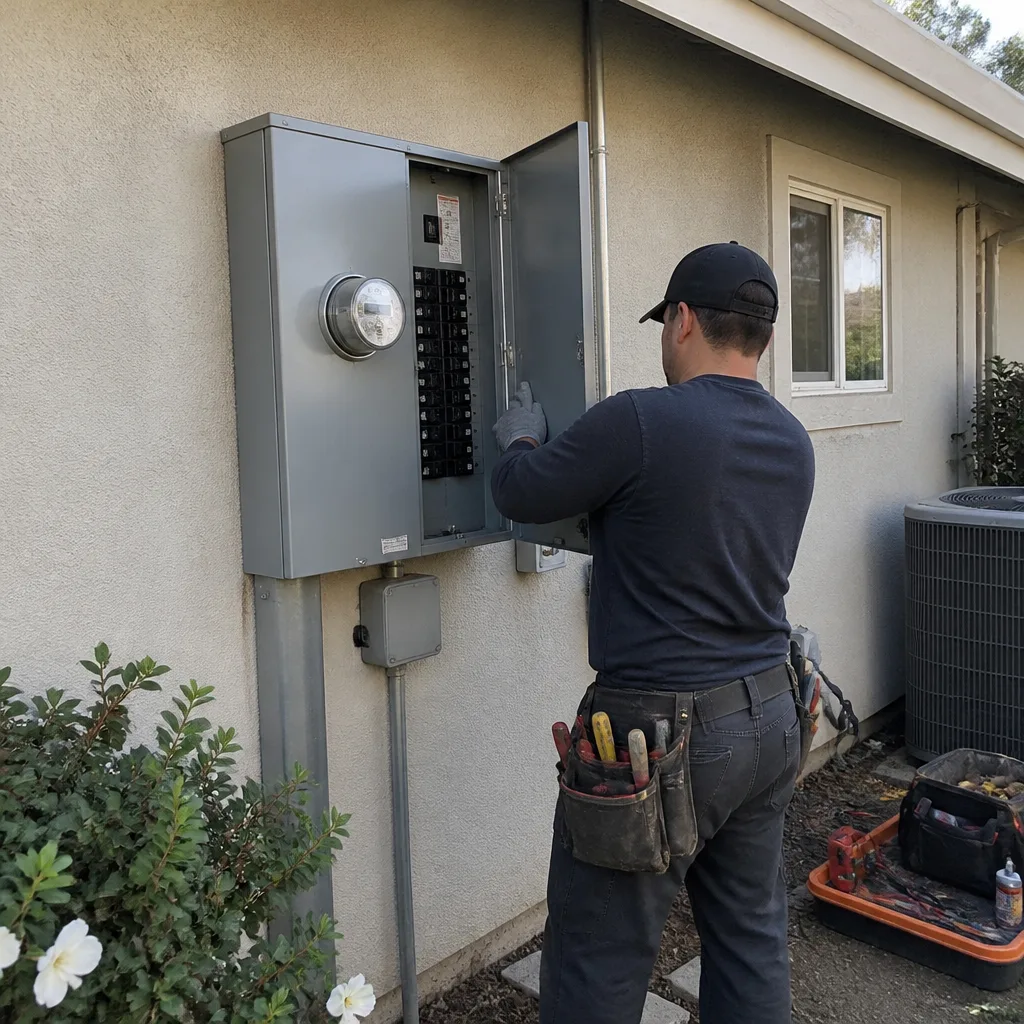
- GFCI outlet testing: test every GFCI outlet in kitchens, bathrooms, garage, and exterior locations. In Pasadena’s older homes, original wiring often lacks GFCI protection in wet areas, and this is a common item raised when any remodel permit is pulled.
- Roof edge and flashing inspection: from the ground or a safe ladder, inspect all roof-to-wall flashing, chimney flashing, and vent seals. Confirm no lifted or deformed flashing.
- Window and door seal check: identify any window or door where you can see daylight through the seal, or where the weatherstripping is cracked or missing. Pasadena’s dry heat destroys vinyl weatherstripping faster than coastal climates.
- Foundation crack documentation: photograph and measure every visible foundation crack. Note location, width, and orientation. Provide written assessment of whether each is normal shrinkage or requires monitoring or repair.
- Drainage and downspout routing check: confirm every downspout discharges at least 5 feet from the foundation and that no water pools against the foundation after rain.
A thorough contractor walk-through using this list takes 60 to 90 minutes and costs $150 to $400 in Pasadena, depending on the contractor. At Kitchen Remodeling in Pasadena walk-throughs, we use a version of this list and provide written findings with measurements and photos, so you have a record of conditions. That record matters. It’s what lets you compare next year’s findings and catch changes early.
What to Document to Preserve Your Remodel Warranty
If you’ve completed a remodeling project in Pasadena, your maintenance routine needs to include warranty documentation. Most workmanship warranties, including the 365-Day Done Right Promise that governs every Elmstead Remodeling Pasadena project, remain valid only if the homeowner maintains the areas covered by the warranty. That doesn’t mean you need a rigid schedule with receipts for everything. It means you need a record that shows you did the basic maintenance a reasonable homeowner would do.
What to document:
- Date and results of any professional inspection related to the remodeled area (roof, foundation, plumbing, electrical)
- Date and scope of any maintenance performed on remodeled systems (HVAC filter changes, re-caulking, grout sealing, drainage cleaning)
- Photos of the remodeled area taken at least twice a year, showing condition
- Any communication with a contractor, plumber, electrician, or other trade about issues in the remodeled area
- Receipts for any materials or services related to maintenance of remodeled surfaces (sealers, replacement grout, caulking)
Keep these records in a folder, physical or digital. If a warranty question ever comes up, the documentation tells the story. It also protects you if a contractor claims a failure was caused by homeowner neglect. For Bathroom Remodeling in Pasadena projects specifically, documenting that you re-caulked the tub surround and kept the grout clean can be the difference between a covered repair and a dispute. The same applies to kitchen remodel surfaces like countertops and cabinet finishes. Manufacturer warranties from brands like Kohler, Moen, and Blanco typically require proof of normal use and maintenance for warranty claims, and your documentation supports that.
Common Mistakes to Avoid
- Following a generic Southern California checklist. Pasadena’s Santa Ana winds, foothill temperature swings, and expansive clay soils create specific failure points that a statewide list doesn’t address. Use a Pasadena-specific calendar like this one.
- Ignoring hairline cracks entirely. Many Pasadena homeowners dismiss hairline cracks as “just the old house settling.” Tracking crack width and location over time is what tells you whether movement is normal or progressive. Take photos and measurements twice a year.
- Cleaning gutters only in spring. In Pasadena, the critical gutter cleaning happens in October, before the wet season. Spring cleaning is helpful, but fall cleaning is what protects the house from winter water damage.
- Skipping the post-Santa-Ana roof check. Most Pasadena roof leaks start after a wind event, not during steady rain. A 20-minute post-wind inspection catches lifted flashing before the damage compounds.
- Routing downspouts to the edge of the foundation. In Pasadena’s clay soil, water discharged at the foundation edge is worse than no gutter at all. Carry water at least 5 feet away, and further if the lot slopes toward the house.
- Waiting until a door sticks badly before investigating. A door that begins sticking subtly is often the first sign of foundation movement. Document it, watch it for a season, and call a contractor if it gets worse rather than waiting until it won’t latch at all.
- Letting caulking failure slide “until it looks bad.” Caulking that has cracked but still looks acceptable is already failing. Water enters through hairline gaps, and Pasadena’s seasonal expansion widens those gaps. Re-caulk at the first sign of brittleness or separation.
When to Call a Professional
Some maintenance items are safe and straightforward for a homeowner to handle: changing HVAC filters, clearing debris from gutters (if you’re comfortable on a ladder), testing GFCI outlets, and checking for visible water stains. Other items call for a trained eye and, in some cases, equipment or safety training. Call a professional if you see: any foundation crack over 1/4 inch wide or any horizontal crack; a door that sticks progressively worse over months; water stains on ceilings or walls that you can’t trace to an obvious source; any electrical outlet that trips repeatedly or sparks; roof flashing that has lifted or separated from the roof deck; or drainage that pools against the foundation after even moderate rain. These are the situations where ignoring the problem or attempting a DIY fix makes the eventual repair more expensive. Read our How to Hire a Construction Contractor in Pasadena: A Step-by-Step Guide to find qualified help. Elmstead Remodeling Pasadena offers free estimates in Pasadena, call (626) 714-2992, and we’ll walk the property with you and give you a written assessment of what needs attention, what can wait, and what it will cost.
Frequently Asked Questions
A professional home maintenance inspection in Pasadena typically costs between $150 and $400, depending on whether it includes a roof inspection, crawl space access, and written documentation with measurements and photos. Call (626) 714-2992 for an exact quote on your home, estimates are free.
October is the single most important month for a comprehensive Pasadena home maintenance check because it comes after the dry season has done its damage and before the wet season begins. If you only schedule one professional walk-through per year, schedule it in October.
Hairline vertical cracks under 1/8 inch wide are normal in Pasadena homes, and they typically come and go with the seasonal expansion and contraction of the area’s clay soil. Cracks over 1/4 inch wide, horizontal cracks, or stair-step cracks that grow over time are not normal and warrant a professional foundation assessment.
Inspect your roof twice a year in Pasadena: once in October before the wet season, and again after any significant Santa Ana wind event between November and January. Wind events with gusts over 50 mph are worth a specific post-event check.
Document professional inspections, routine maintenance like re-caulking and grout sealing, and take photos of remodeled areas at least twice a year. Keep receipts for any maintenance materials. This record demonstrates reasonable homeowner care and supports warranty claims if anything needs attention.
Minor gutter cleaning and downspout extension don’t require a permit. However, if you add subsurface drainage, change your lot’s drainage pattern, or do any work that affects stormwater discharge, Pasadena may require a drainage review as part of a permit. A local general contractor can tell you what triggers review on your specific lot. Call (626) 714-2992 to discuss your specific drainage situation.
The Bottom Line
A Pasadena maintenance checklist earns its keep when it’s tied to the actual forces acting on your house: Santa Ana wind lifting your flashing, clay soil moving your foundation, dry heat cracking your caulking, and seasonal rains finding every gap that opened over the summer. Run the month-by-month calendar from our Seasonal Construction Care for Pasadena: Year-Round Homeowner’s Guide, document what you find, and flag the patterns: a crack that widens, a door that sticks more, a gutter that overflows in the same spot. Those patterns are the early warning system. The annual cost of professional inspections and small preventive repairs is a fraction of what deferred repairs become. And when the work touches anything structural or covered by a past remodel, keep the records. The documentation is what keeps a warranty enforceable and a repair minor.
Written by Graham Stein, Owner at Elmstead Remodeling Pasadena, serving Pasadena since 2005.
See the difference
 Before
 After
After Before
 After
After Before
 After
After