Last updated October 15, 2026





Free written scope consultation - allowances, timeline, and change-order rules on paper before a single trade is scheduled
Seasonal Construction Care for Pasadena: Year-Round Homeowner’s Guide
Pasadena receives roughly 90% of its annual rainfall between November and March, which means every exterior gap, unsealed penetration, and clogged downspout that went unaddressed in October is now carrying water toward a foundation or subfloor. The city’s mild reputation hides four distinct stressors: concentrated winter rain, spring soil expansion, summer dry-heat cycling, and fall Santa Ana winds. Each one attacks a different part of the house, and each one needs a different response. This guide and our Complete Guide to Construction in Pasadena assign specific tasks to each season so a homeowner can catch small failures before they arrive all at once as one large repair bill.
Quick Answer
Seasonal construction care in Pasadena means matching maintenance to four distinct stress periods: pre-rain exterior sealing in fall (September to October), active drainage management in winter (November to February), clay soil rebound inspection in spring (March to May), and thermal cycling repair in summer (June to August). A homeowner who follows a season-specific checklist and addresses each issue with the right product, applied at the right time, keeps a Pasadena home from accumulating the small failures that turn into structural repairs.
Styles & brands we work with






Table of Contents
- Fall (September to October): The Pre-Rain Inspection Protocol
- Winter (November to February): Managing Active-Rain Drainage
- Spring (March to May): Clay Soil Rebound Inspection
- Summer (June to August): Thermal Cycling Effects and Touch-Up Schedules
- How to Time a Remodel Around Pasadena’s Permit Backlog
- Common Mistakes to Avoid
- When to Call a Professional
- Frequently Asked Questions
Fall (September to October): The Pre-Rain Inspection Protocol
October is the month that determines how a Pasadena house fares through March. The work done in these eight weeks is not optional maintenance. It is the difference between a dry attic in February and a water stain spreading across a bedroom ceiling. The protocol is straightforward: walk the exterior, check four specific systems, and repair any gap with a product named for that exact job.
Step-by-Step Fall Inspection
- Roof flashing. Walk the roof line or use binoculars from the ground. Look at every point where the roof meets a wall, chimney, skylight, or vent pipe. Flashing that has lifted, rusted, or pulled away from the surface needs to be re-secured or replaced before the first heavy rain. In Pasadena’s older neighborhoods like Bungalow Heaven and Madison Heights, roof flashing on homes built before 1960 is often original and has been repainted over so many times that the metal has lost its seal.
- Attic ventilation clearance. Go into the attic with a flashlight. Check that every soffit vent, gable vent, and roof vent is clear of dust, old insulation, or nesting material. A blocked vent does not just trap heat. During winter rains, it traps moisture that condenses on the underside of the roof sheathing, and that condensation is what feeds the mold that Pasadena’s older wood-framed homes are prone to.
- Window glazing compound. Inspect the putty around each window pane. In Pasadena’s summer heat, old glazing compound dries, cracks, and falls out in chunks. Where the compound has failed, water gets behind the glass and into the wood sash. Dap 230 is the standard replacement for most wood windows, and it applies with a putty knife in under ten minutes per window.
- Stucco crack sealing. Walk the entire exterior looking at the stucco. Hairline cracks under 1/8 inch are seasonal and can be sealed. Sashco Slab is the product we recommend for Pasadena stucco, because it is elastomeric, which means it moves with the house through winter rain and summer heat instead of cracking again in the same place. Any crack wider than 1/8 inch, or any crack that runs in a diagonal line from a window or door corner, deserves a professional look before it is sealed, because that pattern can indicate structural movement rather than normal settling.
What Gets Missed Most Often in Pasadena Fall Prep
- The gap between the house and the driveway. In neighborhoods like Linda Vista and San Rafael Hills, driveways slope toward the house. A 1/4-inch gap where the concrete driveway meets the foundation will carry water straight down the side of the footing all winter. That gap needs to be filled with a polyurethane sealant, not a silicone caulk, because polyurethane bonds to both concrete and stucco and stays flexible.
- The downspout that dumps at the foundation. A downspout that ends right at the base of the wall is throwing roof water directly onto the foundation, often within inches of the wall. Every Pasadena downspout should have an extension that carries water at least 4 feet from the house. This is a $15 fix that prevents thousands in foundation repair.
- The crawl space vent screens. Homes in Pasadena built on raised foundations have vent screens that keep animals out of the crawl space. A torn screen is an open invitation to rodents in fall, when they are looking for warm, dry places to nest. Hardware cloth, not standard window screen, is the right replacement material, because it cannot be chewed through.
For homeowners who are already planning a larger project, fall is also the season to schedule it. If you are considering working with a general contractor in Pasadena on an exterior repair or a full remodel, getting on the calendar in October means work can be sequenced around winter weather rather than interrupted by it.
Winter (November to February): Managing Active-Rain Drainage
Once the rains arrive, the job shifts from prevention to observation and response. Pasadena’s winter rain pattern is not a slow, steady drizzle. It comes in a small number of intense storms, sometimes 2 to 4 inches in a single day, followed by dry periods. That intensity is what tests a drainage system, and the testing happens in real time, during and after each storm.
What to Check During Every Winter Rain
- French drain inlets. If the property has a French drain or area drain, check that the inlet grates are clear of leaves and debris before each storm, and again after the first heavy rain. A clogged inlet means the water is not entering the drain at all. It is backing up and finding another path, which is usually toward the foundation.
- Sump pump operation. For homes in Pasadena with basements or below-grade spaces that have a sump pump, test it at the start of the rainy season. Pour a bucket of water into the sump pit and verify that the pump kicks on and moves water out. Listen for unusual noise. A pump that runs constantly without lowering the water level has a float switch problem. A pump that does not run at all needs to be replaced before the next storm.
- Downspout flow. During a storm, go outside and watch where the water comes out of each downspout. It should discharge onto a splash block or into an extension that carries it away from the foundation. If water is pooling against the house in any spot, mark that spot and fix it the moment the rain stops. The fix is usually a longer extension or a catch basin added at the discharge point.
- Interior moisture signs. After each heavy rain, walk the interior perimeter. Look at the bottom of walls, around baseboards, and at the ceiling corners. A dark spot, a musty smell, or paint that is beginning to bubble means water is getting in somewhere. In Pasadena’s older wood-framed homes, the place moisture shows up first is often not where the leak is. Water follows the framing, so a stain on a bedroom ceiling might trace back to flashing failure on a porch roof twenty feet away.
What to Do When You Find Water Inside
- Stop the water at the source, not at the stain. Do not patch the interior stain and call it fixed. The water got in through a penetration, a flashing failure, or a crack, and it will keep getting in at that point until the point is sealed.
- Dry the area thoroughly. Mold establishes in Pasadena’s wood-framed walls within 48 to 72 hours of water intrusion in a warm house. A box fan and dehumidifier running for three days is far cheaper than mold remediation.
- Document the location and take photos. If the issue recurs or if a claim is ever needed, a dated photo of the first sign of moisture is what an adjuster or contractor will ask for.
Winter is also the season when homeowners discover that a bathroom leak they ignored all summer is now actively damaging the subfloor. Pasadena houses from the 1920s through the 1950s, which make up much of the housing stock in neighborhoods like Garfield Heights and Historic Highlands, often have original bathroom subfloors that have been wet before. If you suspect water has been getting into a bath area, bathroom remodeling in Pasadena often reveals the full extent of what the water has done, and that is information worth having before the problem spreads to the floor joists.
Spring (March to May): Clay Soil Rebound Inspection
Pasadena sits on soil that moves. The clay beneath much of the city expands when it absorbs winter rain and contracts when it dries in summer. That movement is slow and seasonal, and it is the single most common cause of the cracks and binding that Pasadena homeowners notice in spring. The house is not failing. The ground beneath it is breathing, and the house is flexing with that breath.
What to Look For Each Spring
- Door and window binding. A door that closed fine in December and sticks in April is usually a sign of clay soil rebound, not a foundation problem. The soil has absorbed the winter water, expanded, and lifted a corner of the house a fraction of an inch. As the soil dries through summer, the door usually returns to normal. A door that binds in the same place every year, or that progressively worsens season over season, is the one to have evaluated.
- Exterior slab step separation. Walk around the house and check where exterior concrete steps, landings, or walkways meet the foundation. A gap that opens in spring and closes in fall is seasonal movement. A gap that stays open and widens year over year, or a step that has tilted enough to trap water against the house, needs a professional assessment.
- The crack pattern that matters versus the one that does not. Small vertical cracks in stucco, under 1/8 inch, that run straight up and down and stay the same width top to bottom, are seasonal and benign. Diagonal cracks that run from a corner of a window or door, cracks wider than 1/4 inch, and any crack that forms a stair-step pattern in brick or block are the ones that signal structural concern and deserve a structural engineer’s opinion, not a tube of caulk.
Why Spring Is the Right Season for Interior Work
Spring in Pasadena is the most stable season for interior construction. The air is dry enough that paint and drywall compound cure properly, and the temperatures are mild enough that workers are not fighting summer heat. If a homeowner has been considering a kitchen remodel in Pasadena, planning it for spring means the work happens during the season when Pasadena houses are moving the least. That is not a small detail. Tile, countertop seams, and cabinet alignment are all affected by a house that is subtly shifting, and spring gives those installations their best chance of staying exactly where they were put.
Summer (June to August): Thermal Cycling Effects and Touch-Up Schedules
Pasadena’s summer heat is dry, and dry heat is hard on anything that expands and contracts with temperature change. A surface that reaches 140 degrees in the afternoon and drops to 60 degrees at night moves every single day. Over a Pasadena summer, that is roughly 90 daily cycles of expansion and contraction, and each cycle works on paint, caulk, composite decking, and asphalt just a little more.
Thermal Cycling by Material
- Composite decking. Composite deck boards expand and contract more than wood, and Pasadena’s temperature swings push that movement to its limit. Check composite decks each summer for boards that have pulled away from end caps, fasteners that have backed out, and gaps between boards that have widened unevenly. Most composite decking manufacturers specify a minimum gap for expansion, and when boards are installed too tight, summer heat makes them buckle visibly.
- Painted wood trim. Wood trim on the south and west sides of a Pasadena house takes the harshest sun of the year in summer. Paint on those exposures fails first, usually starting as fine cracks that let moisture in during the next winter. Touch up south and west trim every two to three years with an exterior acrylic latex, and sand and repaint any area where the paint has started to chalk or peel before the rainy season arrives.
- Asphalt driveways. Asphalt softens in Pasadena summer heat. A driveway that is soft is vulnerable to damage from car tires turning in place, and once a divot forms, water gets in and accelerates the damage. The maintenance interval for an asphalt driveway in Pasadena is a sealcoat every two to three years, applied after the hottest part of the summer has passed, in September or early October, so the sealant has time to cure before the heat returns.
A Simple Summer Walkthrough
- Walk the exterior at 3 p.m. on a hot day, when the thermal stress is at its peak. Touch the south-facing stucco and trim. Make note of any caulk line that has pulled away, cracked, or lost adhesion.
- Check the expansion joints in driveways, walkways, and pool decking. The flexible material in those joints, called backer rod and sealant, has a lifespan in Pasadena heat of roughly five to seven years before it needs to be cleaned out and replaced.
- Inspect the roof one more time in late August, after the hottest weeks. Summer is when old roofing materials show their age, because the heat breaks down the asphalt in shingles and the seals around flashings. Brands like Owens Corning and CertainTeed make shingles rated for sustained high heat, which matters on Pasadena roofs that take direct sun all day.
For homeowners planning a whole-home remodel, summer is not always the right season to start. It is the right season to plan. If you are weighing whether to remodel an existing home or make a larger change, talking through the options with a Pasadena remodeling contractor in summer means the scope, the written price, and the material selections are all settled before fall, which positions the project for a spring start, when conditions are best.
How to Time a Remodel Around Pasadena’s Permit Backlog
The City of Pasadena’s building department processes permits on a schedule that any experienced local contractor knows and plans around, as detailed in our guide to Construction Permits, Codes & Inspections in CA. The backlog is not constant. It swells twice a year, in January and in July, and it shrinks in spring and late fall. January is the peak because homeowners and contractors alike come back from the holidays and submit everything at once. July is the second peak because the fiscal year has turned and budgets have refreshed. A homeowner who times a permit submission for March or October waits weeks less for the same review than one who submits in January.
What the Backlog Actually Means for a Project
- A permit that takes two weeks in March can take six to eight weeks in January. The review time is not about the project. It is about the queue, and the queue is a function of the calendar.
- Plan review comments are issued in rounds. Each round of comments and resubmission adds time. A well-prepared submittal with complete drawings, full material specs, and the right forms goes through fewer rounds. A submittal that is missing a page goes through more.
- Inspections have their own scheduling. Once a permit is issued and work begins, Pasadena inspections are scheduled online and typically available within a few days, but the wait is longer during the same January and July spikes when the inspectors are covering more active jobs.
How to Use the Calendar
- Submit in March or October if the project allows it. These are the two windows when Pasadena’s permit queue is shallowest, and the same submittal that would sit for six weeks in January often clears in two.
- Start the planning conversation two to three months before you want to submit. Design, material selection, and the written price all need to be settled before the permit application is filed, and that work moves at the homeowner’s pace, not the city’s.
- Expect the first inspection to happen within a week of the call. Pasadena is not a jurisdiction where inspections sit for a month. The delays are at the front end of the process, not the back end.
We have shepherded Pasadena remodels through every part of this cycle, and the pattern holds year after year. The homeowners who get their projects permitted fastest are the ones who plan around the calendar instead of fighting it.
Common Mistakes to Avoid
- Treating Pasadena’s climate as mild enough to skip maintenance. Pasadena gets nearly all of its rain in four months, which concentrates the water exposure rather than spreading it out. A house that goes unmaintained through a dry October takes a season’s worth of water damage in a six-week window.
- Sealing stucco cracks with the wrong product. Standard silicone caulk fails within a Pasadena year because the house moves and the caulk does not. An elastomeric sealant like Sashco Slab moves with the house and lasts several seasons.
- Waiting until winter to think about drainage. A downspout extension or a French drain is a dry-weather job. Once the rains have started, fixing drainage means working in mud or waiting for the storm to pass while water continues to move toward the foundation.
- Ignoring a sticking door in spring. Most spring door binding in Pasadena is clay soil rebound and resolves itself by summer. But a door that worsens year over year is telling you something about the foundation, and the cheapest time to investigate is the first time you notice it.
- Assuming a small interior stain is a small problem. Water follows framing, and in Pasadena’s older homes, the stain you can see is often a long way from the gap where the water got in. Treating the stain without finding the gap guarantees the stain comes back.
- Submitting permits in January out of habit. The new year feels like the time to start a project, but it is the worst month to enter Pasadena’s permit queue. A March or October submittal clears weeks faster without any change to the project itself.
When to Call a Professional
A seasonal walkthrough will catch most small issues. The times to bring in a professional are when a diagonal crack runs from a window or door corner, when a door binds progressively worse each year, when water appears inside after a storm with no obvious source, when roof flashing has visibly failed in multiple places, or when a project needs a permit and the homeowner does not want to navigate Pasadena’s plan review alone. Elmstead Remodeling Pasadena offers free estimates in Pasadena. Call (626) 714-2992 to have a project looked at, and you will get a written price before any work starts.
Frequently Asked Questions
A homeowner who handles the basic seasonal tasks themselves, caulking, sealing, downspout extensions, and vent cleaning, can expect to spend $150 to $400 per year on materials. Hiring a contractor for a full seasonal inspection and repair pass in Pasadena typically runs $600 to $1,500 for exterior work only, and the price rises if repairs like flashing replacement or stucco crack repair are needed; see our Construction Cost Breakdown for Pasadena for fuller context. Call (626) 714-2992 for a written estimate on a seasonal maintenance pass.
Fall, specifically September and October, is the most important season because everything that gets sealed, extended, or repaired in those two months protects the house through the entire rainy season. A house that is properly prepped in October does not need emergency fixes in February.
Doors stick in spring because Pasadena’s clay soil has absorbed winter rain and expanded, which can lift corners of the foundation by a fraction of an inch. Most bound doors return to normal as the soil dries through summer. A door that worsens every year deserves evaluation.
No. Caulking, sealing, downspout extensions, vent cleaning, and paint touch-ups are considered routine maintenance and do not require a permit in Pasadena. Structural repairs, additions, and remodels do require permits, and the timing of the application affects how long the review takes.
Every two to three years, applied in September or early October after the hottest weather has passed. Sealcoating in the middle of summer is less effective because the asphalt is too hot and soft for proper adhesion, and the sealant can cure unevenly.
Spring is the best time to start construction because Pasadena’s soil is at its most stable, the air is dry enough for proper curing, and temperatures are comfortable for the crew. Planning should begin in fall or summer so that permits can be submitted during the March or October windows when the city’s review queue is shortest. Call (626) 714-2992 to schedule a free estimate and get a written price before any commitment.
The Bottom Line
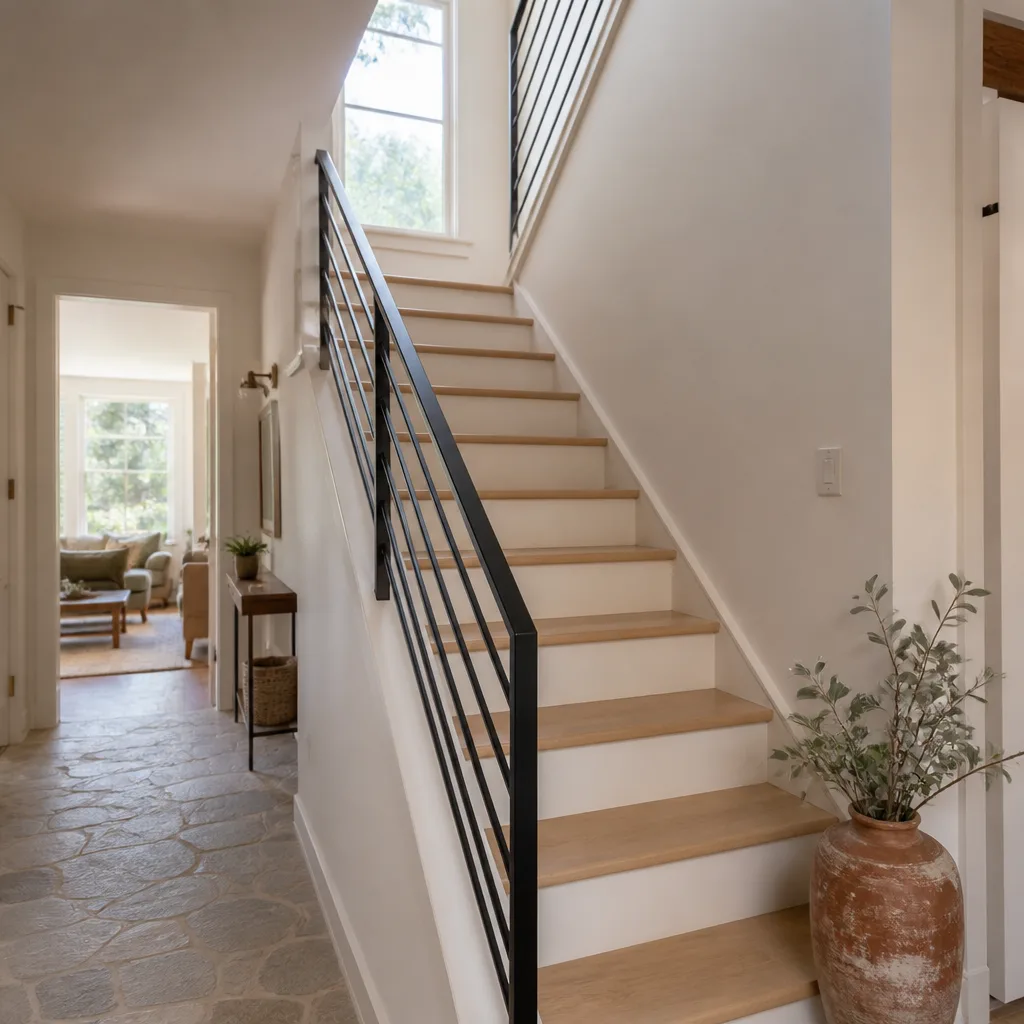
Pasadena’s climate is mild by reputation and specific in practice. Nearly all the rain arrives in four months, the clay soil shifts every spring, the summer heat cycles every exposed surface daily, and the fall winds find every loose flashing and unsealed gap. A homeowner who matches maintenance to the season-sealing in fall, draining in winter, inspecting in spring, and repairing in summer-catches the small failures before they compound, and can find more guides & resources on our blog. The alternative is a house that looks fine for eleven months and then shows all of its problems at once.
Written by Graham Stein, Owner at Elmstead Remodeling Pasadena, serving Pasadena since 2005.
See the difference
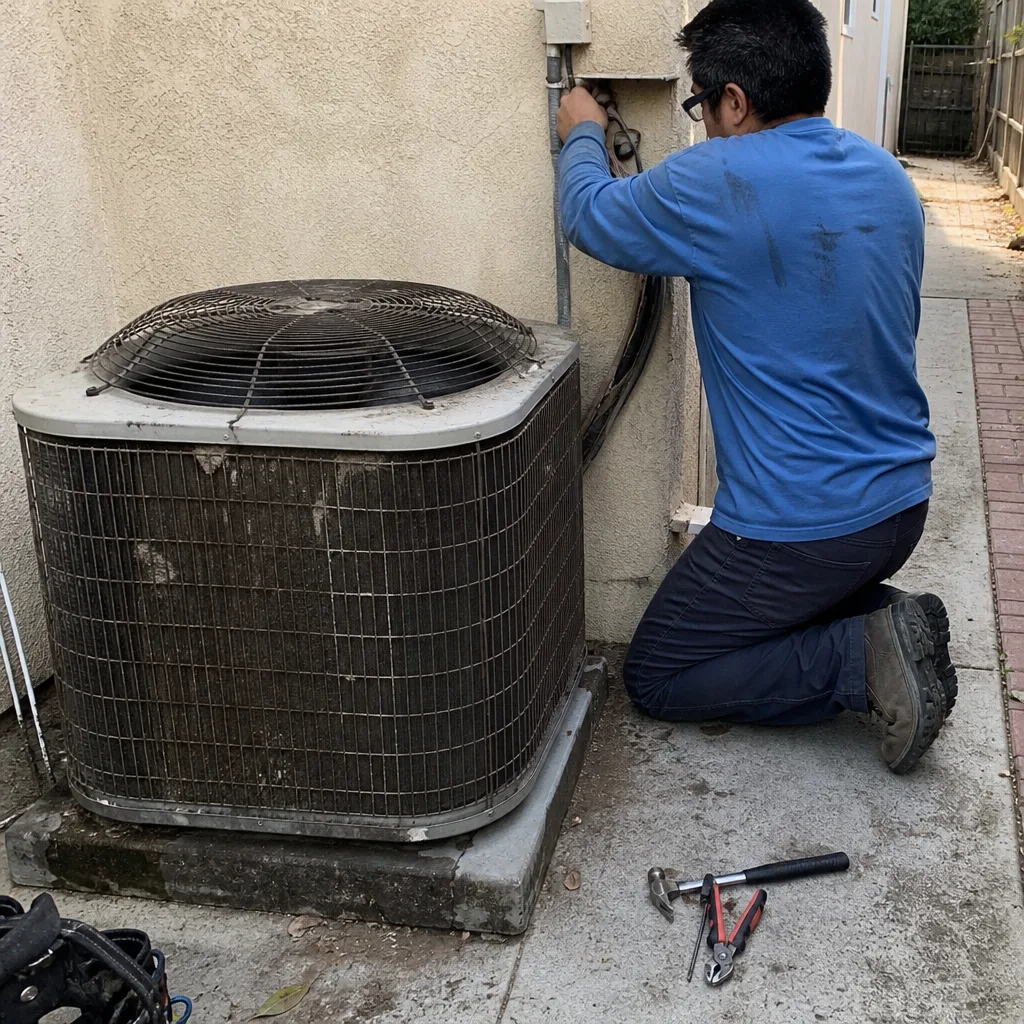 Before
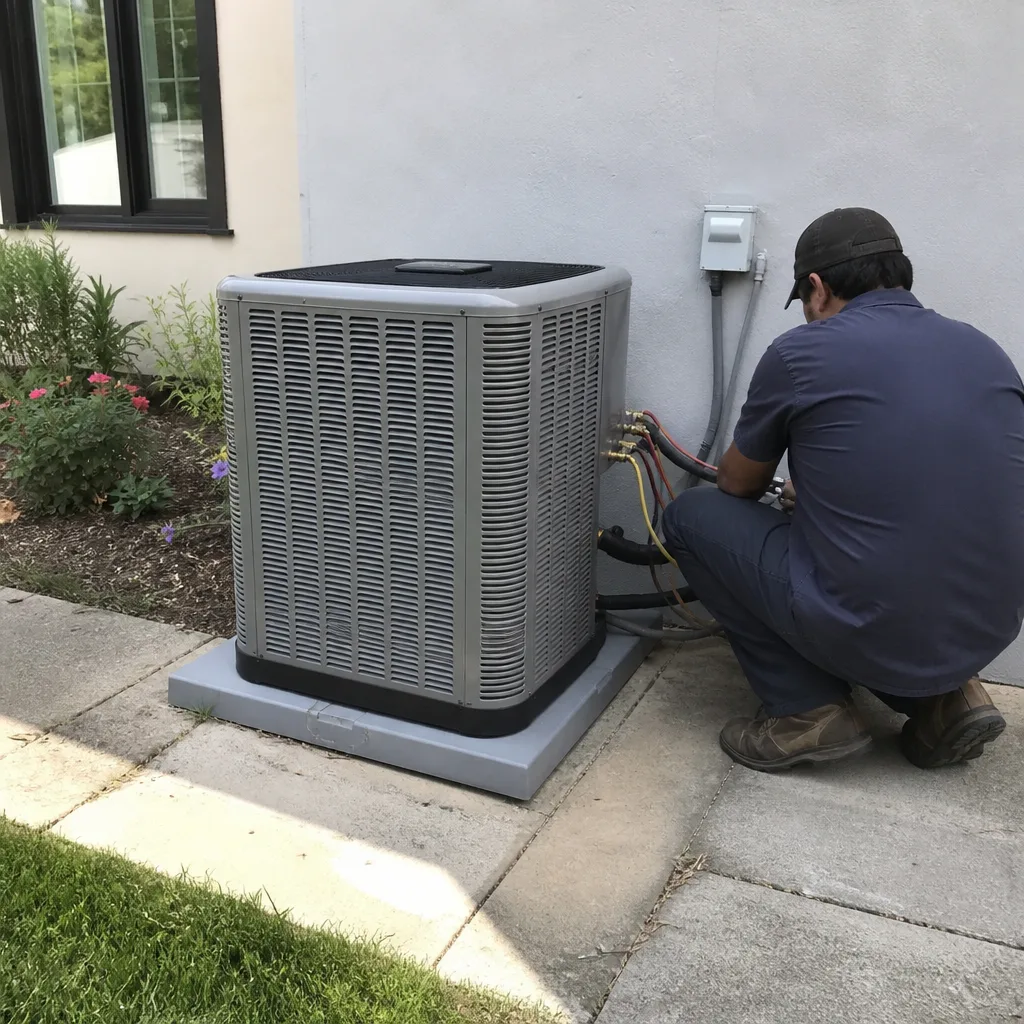 After
After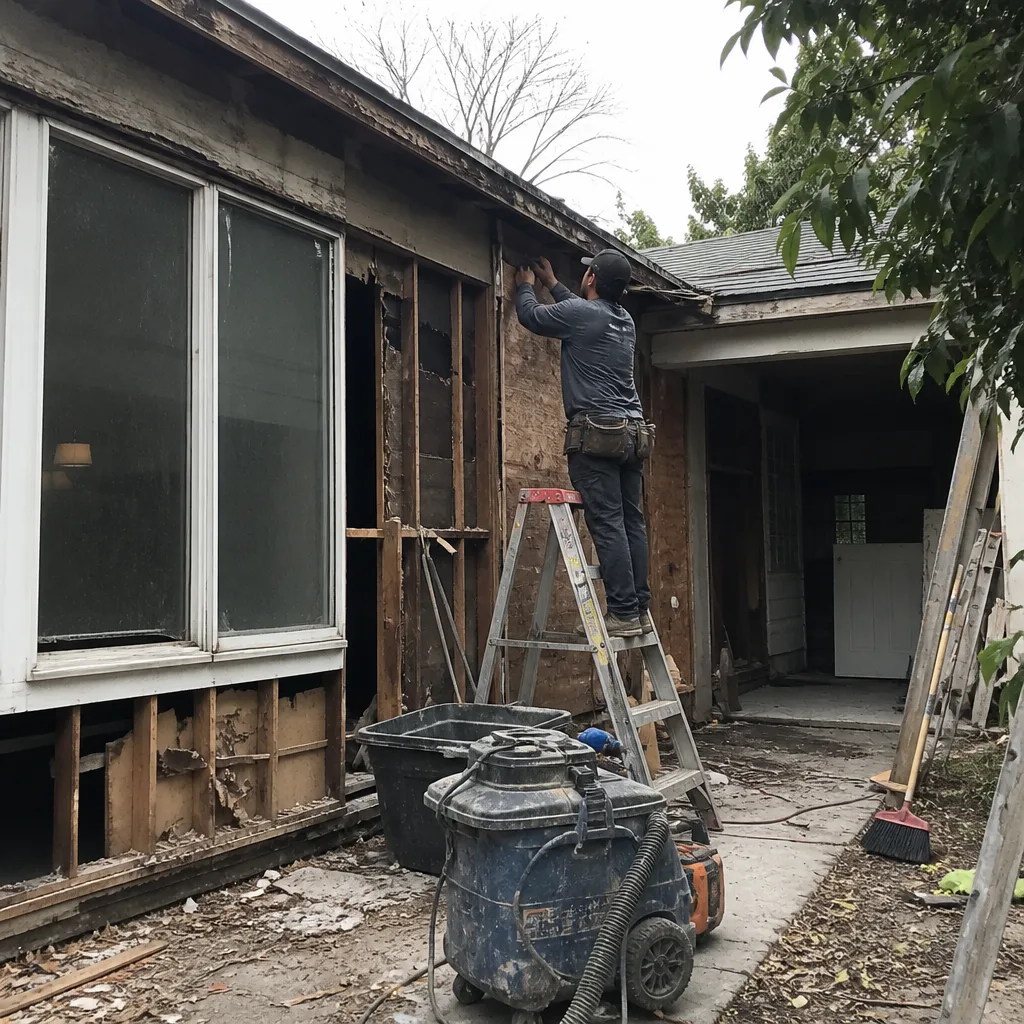 Before
 After
After Before
 After
After